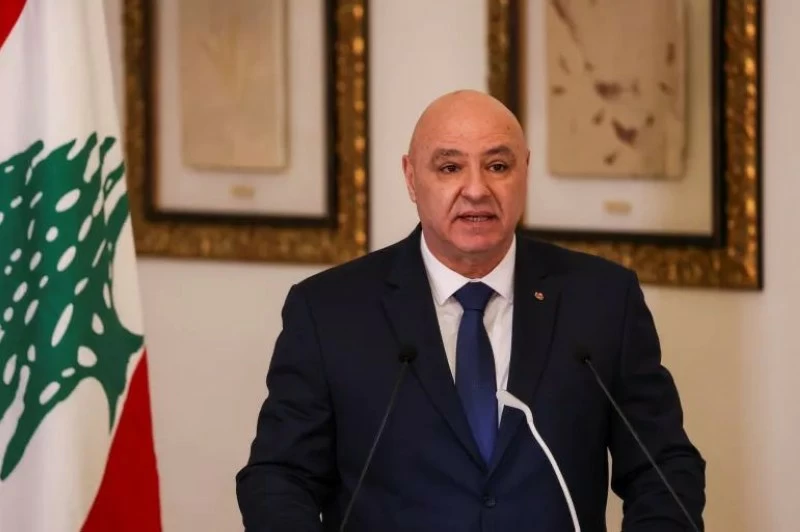
القرار الذي اتخذه مجلس الوزراء اللبناني برئاسة الرئيس جوزيف عون، اليوم (الإثنين)، بحظر الأنشطة العسكرية والأمنية لـ«حزب الله»، لم يكن ردّ فعل على حادثة أمنية عابرة، بل خطوة سياسية مقصودة في مواجهة مسار تصاعدي بدأ منذ اتفاق وقف إطلاق النار (نوفمبر 2024). خلال تلك المرحلة، أخذت معادلة الدولة تتعرض لاختبار مستمر، مع خطابات حزب الله التصعيدية والمتكررة والإيحاءات بأن السلاح خارج المؤسسات يشكل ضمانة الكيان. أمام هذا الواقع، وُضعت الحكومة ورئيسها الفعلي دستورياً أمام خيارين: إما تثبيت مرجعية الدولة عملياً، أو التسليم بتآكلها التدريجي.
في هذا الإطار، يكتسب قرار مجلس الوزراء أهميته المفصلية. للمرة الأولى، تتخذ حكومة لبنانية قراراً صريحاً بحظر النشاطات العسكرية والأمنية لـ«حزب الله»، وحصر دوره في الإطار السياسي الخاضع للقانون. هذه ليست صياغة نظرية، بل إعلاناً سياسياً تتحمل مسؤوليته السلطة التنفيذية مجتمعة، وفي مقدمتها رئيس الجمهورية الذي يرأس المجلس ويوقّع مراسيمه. صحيح أن خطوة كهذه كان يفترض أن تُطرح منذ سنوات، غير أن قيمتها اليوم تكمن في أن الرئيس عون اختار تحويل ما ورد في خطاب القسم والبيان الوزاري إلى قرار تنفيذي واضح.
جرأة القرار لا تُقاس بعبارته، بل بطبيعته. فمجلس الوزراء، برئاسة الرئيس عون، لم يواجه حزباً سياسياً عادياً، بل واجه معادلة مسلحة رافقت الحياة السياسية اللبنانية لسنوات. لذلك فإن تبني الحكومة رسمياً مبدأ «حظر» النشاطات العسكرية والأمنية خارج الدولة يعني إعادة ترسيم حدود السلطة بين الدولة وأي قوة أخرى. هنا تحديداً يُعطى الرئيس حقه: لأنه قبل أن يضع عهده في موقع الاختبار، بدلاً من الاكتفاء بإدارة التوازنات.
القرار حصد اصطفافاً سياسياً واسعاً داخل الحكومة وخارجها، ما يعكس إدراكاً بأن ما جرى ليس خلافاً حزبياً، بل مسألة سيادة. فمن دون مرجعية واحدة للسلاح، لا يمكن للدولة أن تفاوض، أو أن تطلب دعماً دولياً، أو أن تدّعي قدرتها على حماية اللبنانيين من تداعيات صراع إقليمي مفتوح. من خلال هذا القرار، تقول حكومة العهد للمجتمع الدولي إن لبنان الرسمي مستعد لتحمل التزاماته كاملة، بما في ذلك تنفيذ ما تعهد به في بيانه الوزاري بشأن حصرية السلاح وقرار الحرب والسلم.
لكن الأهمية التاريخية لا تُمنح سلفاً. قرار مجلس الوزراء يضع الدولة مجتمعة أمام امتحان التنفيذ. فإذا نجحت الحكومة في ترجمة هذا الموقف إلى خطوات عملية، يكون الرئيس عون قد ثبّت موقع الدولة كمرجعية نهائية. وإذا تعثّر التنفيذ، يتحول القرار إلى محطة سياسية عابرة.
بهذا المعنى، لم يكن ما صدر عن مجلس الوزراء مجرد بيان، بل خياراً سياسياً تحمّل مسؤوليته رئيس الجمهورية شخصياً كرأس للدولة. اختار أن يُقارب مسألة السلاح من موقع الدستور، لا من موقع التسويات. والتاريخ في لبنان نادراً ما يمنح فرصة كهذه مرتين.
The decision made by the Lebanese Cabinet, chaired by President Joseph Aoun, today (Monday), to ban the military and security activities of "Hezbollah" was not a reaction to a passing security incident, but a deliberate political step in response to an escalating trajectory that began with the ceasefire agreement (November 2024). During that phase, the equation of the state faced continuous testing, with Hezbollah's repeated and escalating rhetoric and implications that weapons outside of institutions constitute a guarantee for the entity. In light of this reality, the government and its actual constitutional president were faced with two options: either to practically affirm the authority of the state or to concede to its gradual erosion.
In this context, the Cabinet's decision gains its pivotal importance. For the first time, a Lebanese government has made a clear decision to ban the military and security activities of "Hezbollah" and to confine its role within the political framework subject to the law. This is not a theoretical formulation, but a political declaration for which the executive authority collectively bears responsibility, foremost among them the President of the Republic, who chairs the council and signs its decrees. It is true that such a step should have been proposed years ago, but its value today lies in President Aoun's choice to transform what was stated in the oath of office and the ministerial statement into a clear executive decision.
The boldness of the decision is not measured by its wording, but by its nature. The Cabinet, under President Aoun, did not confront an ordinary political party, but faced an armed equation that has accompanied Lebanese political life for years. Therefore, the government's official adoption of the principle of "banning" military and security activities outside the state means redefining the boundaries of authority between the state and any other force. Here, the President is given his due: because before placing his term in a position of testing, he chose not to settle for managing balances.
The decision garnered broad political alignment both within the government and outside of it, reflecting an awareness that what occurred is not a partisan dispute, but a matter of sovereignty. Without a single authority for weapons, the state cannot negotiate, request international support, or claim its ability to protect the Lebanese from the repercussions of an open regional conflict. Through this decision, the government of the term tells the international community that the official Lebanon is ready to fully assume its commitments, including implementing what it pledged in its ministerial statement regarding the exclusivity of weapons and the decision of war and peace.
However, historical significance is not granted in advance. The Cabinet's decision places the state collectively before a test of implementation. If the government succeeds in translating this position into practical steps, President Aoun will have solidified the state's position as the final authority. If implementation falters, the decision will turn into a passing political moment.
In this sense, what was issued by the Cabinet was not merely a statement, but a political choice for which the President of the Republic personally bore responsibility as the head of state. He chose to approach the issue of weapons from a constitutional standpoint, not from the standpoint of compromises. And history in Lebanon rarely grants such an opportunity twice.