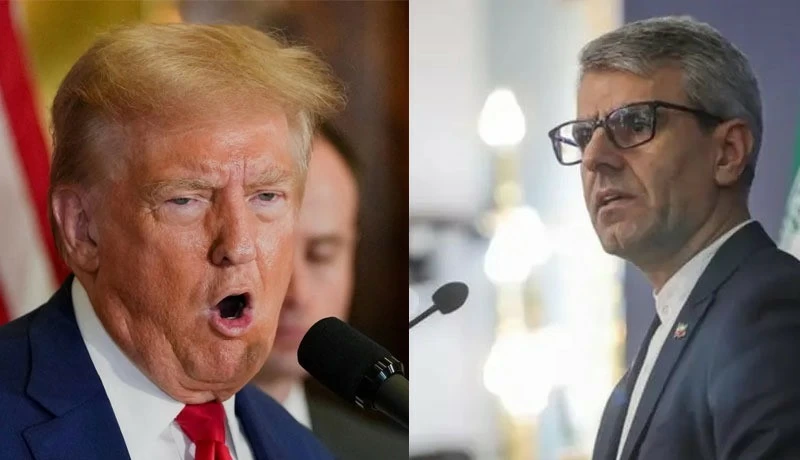
في أول ردّ إيراني على خطاب حالة الاتحاد للرئيس الأمريكي دونالد ترمب، اتهمت طهران ساكن البيت الأبيض بتكرار «أكاذيب كبيرة» بشأن البرنامج النووي، معتبرة أن ما ورد في الخطاب يندرج ضمن «حملة تضليل وتشويه» ممنهجة.
وقال المتحدث باسم وزارة الخارجية الإيرانية إسماعيل بقائي، في بيان نشره عبر منصة إكس، صباح اليوم (الأربعاء)، إن تكرار الرواية -حتى وإن كانت غير صحيحة- لا يحوّلها إلى حقيقة، مضيفاً: «كرر الكذبة مرات كافية حتى تصبح حقيقة. هذه قاعدة تُستخدم الآن بشكل ممنهج من قبل الحكومة الأمريكية ودعاة الحرب المحيطين بها، خصوصاً النظام الإسرائيلي الذي يرتكب الإبادة الجماعية، لتعزيز حملة شيطانية لنشر معلومات كاذبة ومضللة ضد الشعب الإيراني».
«النووي» والصواريخ.. محور السجال
وركّز بقائي على ما اعتبره «مزاعم» تتعلق بالبرنامج النووي الإيراني، والصاروخ الباليستي العابر للقارات، وعدد ضحايا اضطرابات يناير، قائلاً إن ذلك «ليس إلا تكراراً لسلسلة من الأكاذيب الكبرى»، داعياً إلى عدم الانخداع بما وصفه بالمعلومات المضللة.
وكان ترمب أشار في خطابه فجر اليوم إلى أنه يحشد القوات العسكرية الأمريكية حول إيران «لضمان عدم حصولها على سلاح نووي»، مضيفاً: «إنهم يريدون عقد صفقة، لكننا لم نسمع تلك الكلمات السرية: لن نمتلك سلاحاً نووياً أبداً».
طهران: لا نسعى لقنبلة نووية
في المقابل، جددت إيران نفيها السعي لامتلاك سلاح نووي. وأكد وزير الخارجية الإيراني عباس عراقجي أن طهران «لن تطور سلاحاً نووياً تحت أي ظرف من الظروف»، في تصريح أدلى به الثلاثاء، في موقف ينسجم مع الخطاب الإيراني المعلن بشأن طبيعة البرنامج النووي.
أرقام الضحايا.. روايات متباينة
وتناول خطاب ترمب ملف الاحتجاجات، إذ قال إن النظام الإيراني قتل «نحو 32 ألف متظاهر». في المقابل، تؤكد طهران أن عدد القتلى بلغ 3117 شخصاً، بينهم نحو 200 ضابط.
من جهتها، ذكرت وكالة أنباء نشطاء حقوق الإنسان (هرانا)، ومقرها الولايات المتحدة، أن ما لا يقل عن 6490 متظاهراً قُتلوا منذ اندلاع الاحتجاجات الحاشدة في أواخر ديسمبر، في أرقام تعكس اتساع فجوة الروايات بين الأطراف المختلفة.
In the first Iranian response to U.S. President Donald Trump's State of the Union address, Tehran accused the White House occupant of repeating "big lies" regarding the nuclear program, considering that what was mentioned in the speech falls under a "systematic campaign of misinformation and distortion."
Iranian Foreign Ministry spokesman Ismail Baqaei stated in a statement published on the X platform this morning (Wednesday) that repeating the narrative—even if it is incorrect—does not turn it into a fact, adding: "He repeated the lie enough times for it to become a truth. This is a rule that is now systematically used by the U.S. government and the war advocates surrounding it, especially the Israeli regime that commits genocide, to promote a satanic campaign of spreading false and misleading information against the Iranian people."
"Nuclear" and missiles.. the focus of the debate
Baqaei focused on what he considered "claims" related to the Iranian nuclear program, the intercontinental ballistic missile, and the number of victims of the January unrest, stating that this is "nothing but a repetition of a series of big lies," calling for not being deceived by what he described as misleading information.
Trump mentioned in his speech early today that he is mobilizing U.S. military forces around Iran "to ensure it does not acquire a nuclear weapon," adding: "They want to make a deal, but we haven't heard those secret words: we will never have a nuclear weapon."
Tehran: We do not seek a nuclear bomb
In contrast, Iran renewed its denial of seeking to possess a nuclear weapon. Iranian Foreign Minister Abbas Araghchi affirmed that Tehran "will not develop a nuclear weapon under any circumstances," in a statement made on Tuesday, aligning with the declared Iranian rhetoric regarding the nature of the nuclear program.
Victim numbers.. varying narratives
Trump's speech addressed the issue of protests, stating that the Iranian regime killed "about 32,000 demonstrators." In contrast, Tehran asserts that the death toll reached 3,117 people, including about 200 officers.
For its part, the Human Rights Activists News Agency (HRANA), based in the United States, reported that at least 6,490 protesters have been killed since the outbreak of mass protests in late December, reflecting the widening gap in narratives between the different parties.