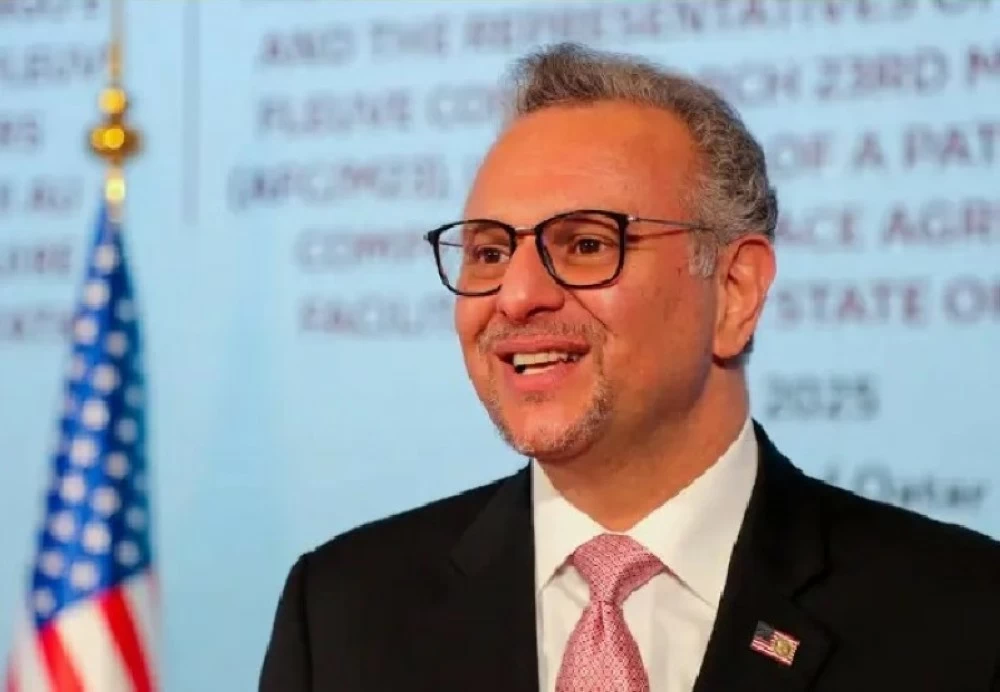
كشف كبير مستشاري الرئيس الأمريكي للشؤون العربية والأفريقية مسعد بولس، اليوم (الأربعاء)، عن خطوات ملموسة تعمل عليها الولايات المتحدة مع القادة في ليبيا بين الشرق والغرب لوضع خطة للاندماج والتكامل الاقتصادي والعسكري.
وقال بولس في كلمة أمام مجلس الأمن إن الهدف من الدعم الأمريكي هو خلق الظروف الملائمة لحكومة منتخبة وديمقراطية، مضيفاً: «آن الأوان للتغلب على الانقسامات، ومتفائلون بشكل حذر بالنظر للنتائج الحالية في البلاد».
توحيد واستقرار ليبيا
وأشار بولس إلى أن «توحيد واستقرار ليبيا لا يخدم سوى الليبيين، ولكن أيضاً يعزز الأمن في شمال أفريقيا وجنوب المتوسط ويقلص من تهريب الأموال، والبشر، والهجرة»، لافتاً إلى أن «القيادة العسكرية في أفريقيا (أفريكوم) ستمارس في أبريل القادم تدريباتها السنوية في سرت مع القوات الليبية من الشرق والغرب جنباً إلى جنب، وهذه خطوة أولى نحو المزيد من التدريب المشترك».
من جهتها قالت رئيسة بعثة الأمم المتحدة للدعم في ليبيا هانا تيتيه إن «مجلسي النواب والدولة لم يحققا أي تقدم بشأن التزاماتهما تجاه خارطة الطريق التي أطلقتها البعثة في أغسطس»، معلنة عزم البعثة تكليف مجموعة صغيرة لحل الخطوتين الأساسيتين التي فشل المجلسان في التوافق بشأنهما.
وأشارت في إحاطتها أمام مجلس الأمن إلى أنه «لا يمكن الانتظار إلى ما لا نهاية بشأن مجلسي النواب والدولة»، مبينة أنه سيكون من الضروري عقد اجتماع أوسع للمضي قدماً في تنفيذ الخارطة.
منعطف خطير لاقتصاد ليبيا
وأكدت تيتيه أن هناك فرصة لاستخدام الأدوات الواردة في الاتفاقات الليبية القائمة لكسر حالة الجمود، مشيرة إلى أن تسييس القضاء وتقسيمه من شأنه الإضرار بالعملية السياسية في ليبيا، خصوصاً مع استمرار التنافس بين المحكمة الدستورية العليا في بنغازي والمحكمة العليا في طرابلس.
وحذرت المبعوثة الأممية من أن اقتصاد ليبيا يمر بمنعطف خطير، ويتوقع أن تشهد ارتفاعاً في معدلات الفقر خلال الفترة القادمة في حال استمرار الأزمة السياسية التي تعاني منها البلاد، معزية تراجع قيمة الدينار الليبي إلى غياب الميزانية الموحدة، والإنفاق العام غير الموحد، بسبب المؤسسات الموازية وتراجع عائدات النفط، ما شكل ضغطاً على الاحتياطيات النقدية للدولة الليبية.
The Senior Advisor to the U.S. President for Arab and African Affairs, Musaad Boulos, revealed today (Wednesday) concrete steps that the United States is working on with leaders in Libya between the east and west to develop a plan for economic and military integration.
Boulos stated in a speech before the Security Council that the aim of U.S. support is to create favorable conditions for an elected and democratic government, adding: “It is time to overcome divisions, and we are cautiously optimistic given the current results in the country.”
Unifying and Stabilizing Libya
Boulos pointed out that “the unification and stabilization of Libya serves not only the Libyans but also enhances security in North Africa and the southern Mediterranean and reduces the smuggling of money, people, and migration,” noting that “the U.S. military command in Africa (AFRICOM) will conduct its annual exercises in Sirte next April with Libyan forces from the east and west side by side, and this is a first step towards more joint training.”
For her part, the Head of the United Nations Support Mission in Libya, Hanna Titiyeh, stated that “the House of Representatives and the State Council have made no progress regarding their commitments to the roadmap launched by the mission in August,” announcing the mission's intention to assign a small group to resolve the two fundamental steps that the councils have failed to agree upon.
She indicated in her briefing to the Security Council that “we cannot wait indefinitely for the House of Representatives and the State Council,” clarifying that it will be necessary to hold a broader meeting to move forward with the implementation of the roadmap.
A Dangerous Turning Point for Libya's Economy
Titiyeh emphasized that there is an opportunity to use the tools outlined in the existing Libyan agreements to break the stalemate, pointing out that the politicization and division of the judiciary could harm the political process in Libya, especially with the ongoing competition between the Supreme Constitutional Court in Benghazi and the Supreme Court in Tripoli.
The UN envoy warned that Libya's economy is at a dangerous turning point, and it is expected to witness an increase in poverty rates in the coming period if the political crisis the country is experiencing continues, attributing the decline in the value of the Libyan dinar to the absence of a unified budget, and non-unified public spending, due to parallel institutions and declining oil revenues, which has put pressure on the Libyan state's cash reserves.