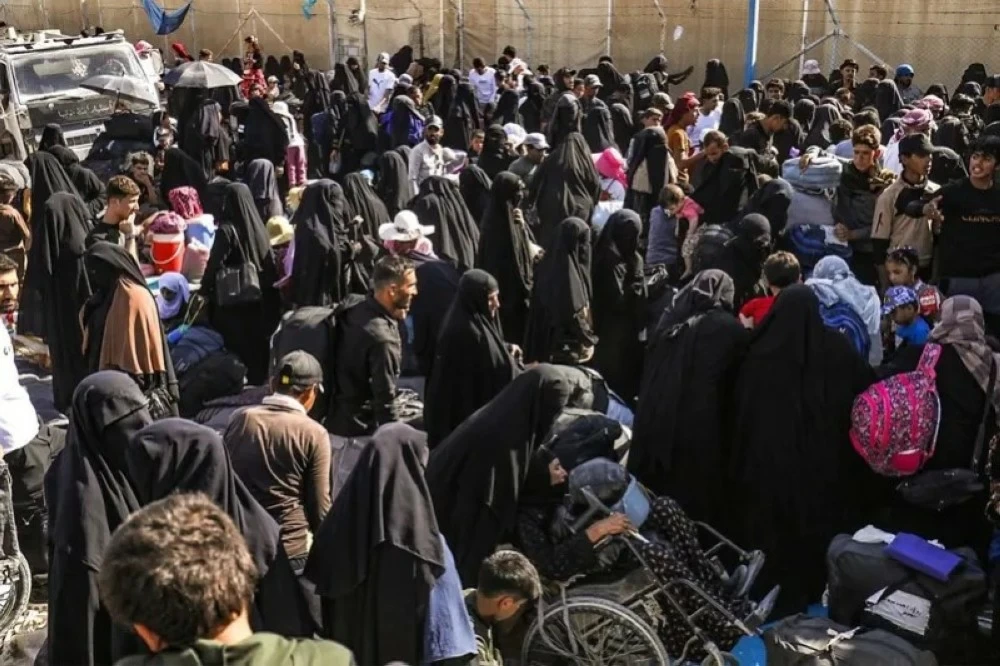
وسط الفوضى وتضارب الأنباء حول فرار عدد من العائلات من مخيم الهول في محافظة الحسكة السورية، حمل مصدر رسمي سوري، قوات سورية الديمقراطية «قسد» مسؤولية ما جرى في المخيم.
سوء إدارة كارثي
وقال المصدر إن كل ما حدث في مخيم الهول يكشف حجم سوء الإدارة الكارثي من قبل قسد لأحد أكثر مراكز الاحتجاز اللاإنسانية، الذي ضم آلاف الأطفال والنساء، بعضهم من عائلات مقاتلي تنظيم داعش، وذلك لسنوات طويلة تحت ظروف قاسية ومغلقة.
وأضاف أن الأمم المتحدة قدّرت عدد قاطني المخيم اعتماداً على الأرقام التي تبنتها قسد خلال السنوات الماضية وعند انسحابها من المخيم، لكن التقييمات الميدانية المباشرة لاحقاً أظهرت أن هذه الأرقام غير دقيقة، وأن عدد الموجودين فعلياً كان أقل بكثير مما جرى الإعلان عنه حتى لحظة انسحاب قسد.
شبكات فساد تديرها قسد
واعتبر المصدر أن تضخيم هذه الأعداد خدم قسد في زيادة حجم المساعدات الدولية التي كانت تمر عبر آليات تسيطر عليها القوات الكردية، وتم تحويل جزء كبير منها إلى شبكات فساد ضمن إدارة قسد.
وكشف عن عمليات تهريب على مر السنين الماضية. وقال إن تكلفة خروج العائلة الواحدة من مخيم الهول تراوحت بين 3,000 و5,000 دولار، لافتا إلى أن عمليات التهريب كانت تتم بينما تبقى أسماء الخارجين مسجّلة في السجلات الرسمية.
وأكد أن هذه العمليات أدارتها شبكات متورطة بالتهريب والاتجار بالبشر. وأفاد المصدر السوري بأن العديد من عائلات مقاتلي داعش التي خرجت من الهول خلال السنوات الماضية انتقلت عبر صفقات مالية مع إدارة المخيم إلى إدلب، التي كانت تحت سيطرة حكومة الإنقاذ آنذاك.
وكشف أنه خلال فترة سيطرة قسد، جرى إخراج العديد من الأطفال من المخيم إلى وجهات غير معروفة دون معرفة ذويهم بمصيرهم، ودون أية سجلات توثق ذلك.
إعادة دمج عائلات الدواعش
وأكد المصدر أن الحكومة السورية تمتلك الرؤية والخبرة للتعامل مع عائلات مقاتلي داعش والعائلات الأخرى التي غادرت مخيم الهول، ولديها القدرة على إعادة دمجهم في المجتمع دون أن يشكلوا خطراً أمنياً.
واتهم قسد بأن إدارتها للمخيم أسهمت في إعادة إنتاج التطرف عبر وضع عدد كبير من المدنيين والسكان المحليين والنازحين إلى جانب عائلات مقاتلي داعش، ما ترك آلاف الأطفال في ظروف إنسانية قاسية داخل بيئة مغلقة، معرضين للأفكار المتطرفة ولسوء المعاملة الشديد، دون خطط تأهيل لسنوات.
انسحاب من دون تنسيق
واتهم القوات الكردية بأنها لم تسلّم إدارة المخيم للحكومة السورية، وفق الاتفاق الموقّع، بل انسحبت دون تنسيق، ما خلق فراغاً أمنياً وتحديات في السيطرة. وشدد على أن القوات الحكومية بدأت إجراءات السيطرة على مخيم الهول خلال عشر ساعات فقط من انسحاب قسد. واعترف بأنه خلال فترة الفراغ الأمني، غادرت مئات العائلات التي كانت موجودة في المخيم وقت انسحاب قسد.
وأعلن أن الحكومة قررت نقل العائلات المتبقية استناداً إلى التقييم الذي تم بالتنسيق مع منظمة التنمية السورية، إلى مخيم في ريف حلب الشمالي.
وكانت مصادر في منظمات إنسانية وشهود عيان، أعلنوا الأسبوع الماضي أن معظم الأجانب الذين كانوا يقطنون في مخيم الهول غادروا بعدما انسحبت منه القوات الكردية أواخر شهر يناير.
Amid the chaos and conflicting reports about the escape of several families from the Al-Hol camp in Syria's Hasakah province, a Syrian official source held the Syrian Democratic Forces (SDF) responsible for what happened in the camp.
Catastrophic Mismanagement
The source stated that everything that happened in the Al-Hol camp reveals the extent of the catastrophic mismanagement by the SDF of one of the most inhumane detention centers, which housed thousands of children and women, some of whom were from families of ISIS fighters, for many years under harsh and closed conditions.
He added that the United Nations estimated the number of camp residents based on the figures adopted by the SDF over the past years and at the time of their withdrawal from the camp, but subsequent direct field assessments showed that these figures were inaccurate, and that the actual number of people present was much lower than what was announced up until the moment of the SDF's withdrawal.
Corruption Networks Managed by the SDF
The source considered that the inflation of these numbers served the SDF in increasing the volume of international aid that passed through mechanisms controlled by the Kurdish forces, and a large part of it was diverted to corruption networks within the SDF's administration.
He revealed smuggling operations over the past years. He said that the cost for a single family to leave the Al-Hol camp ranged between $3,000 and $5,000, noting that smuggling operations were carried out while the names of those leaving remained recorded in the official records.
He confirmed that these operations were managed by networks involved in smuggling and human trafficking. The Syrian source stated that many families of ISIS fighters who left Al-Hol in recent years moved through financial deals with the camp administration to Idlib, which was then under the control of the Rescue Government.
He revealed that during the SDF's control, many children were taken out of the camp to unknown destinations without their families knowing their fate, and without any records documenting that.
Reintegration of ISIS Families
The source confirmed that the Syrian government has the vision and experience to deal with the families of ISIS fighters and the other families that left the Al-Hol camp, and has the capability to reintegrate them into society without posing a security threat.
He accused the SDF of contributing to the re-production of extremism through placing a large number of civilians, local residents, and displaced persons alongside the families of ISIS fighters, which left thousands of children in harsh humanitarian conditions within a closed environment, exposed to extremist ideas and severe mistreatment, without rehabilitation plans for years.
Withdrawal Without Coordination
He accused the Kurdish forces of not handing over the management of the camp to the Syrian government, according to the signed agreement, but rather withdrawing without coordination, which created a security vacuum and challenges in control. He emphasized that government forces began procedures to take control of the Al-Hol camp within just ten hours of the SDF's withdrawal. He acknowledged that during the period of the security vacuum, hundreds of families that were present in the camp at the time of the SDF's withdrawal left.
He announced that the government decided to transfer the remaining families based on the assessment made in coordination with the Syrian Development Organization, to a camp in the northern countryside of Aleppo.
Sources in humanitarian organizations and eyewitnesses announced last week that most of the foreigners who were residing in the Al-Hol camp left after the Kurdish forces withdrew from it at the end of January.