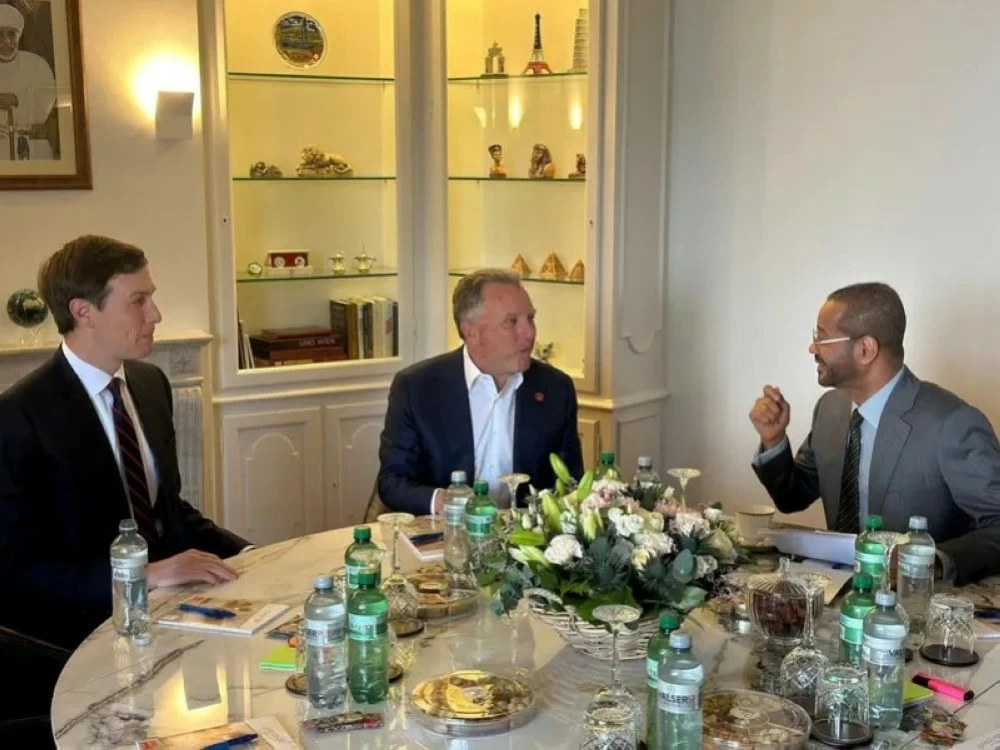
فيما اعتبر الجانب الإيراني على لسان وزير الخارجية عباس عراقجي، أن مفاوضات جنيف جرت في أجواء إيجابية وحققت تقدما، وأن الطرفين اتفقا على تبادل مسودات اتفاق محتمل، لم يصدر الكثير عن الجانب الأمريكي الذي شارك المفاوضات من خلال المبعوثين ستيف ويتكوف وجاريد كوشنير.
معالجة بعض الفجوات
إلا أن مسؤولاً أمريكياً، كشف أن الإيرانيين سيقدمون مقترحات أكثر تفصيلاً خلال الأسبوعين القادمين لمعالجة بعض الفجوات بين الولايات المتحدة وإيران، لكنه لم يذكر تفاصيل محددة.
وأفصح ثلاثة مسؤولين إيرانيين مطلعين على المحادثات أن طهران أبدت استعداداً لتعليق تخصيب اليورانيوم لمدة تتراوح بين ثلاث إلى خمس سنوات، وهي مدة تغطي فترة رئاسة ترمب، ثم الانضمام إلى تكتل إقليمي للتخصيب المدني.
تخفيف مخزون اليورانيوم
وأفاد المسؤولون بأن إيران ستقوم بتخفيف مخزونها من اليورانيوم داخل أراضيها بحضور مفتشين دوليين، مقابل رفع الولايات المتحدة العقوبات المالية والمصرفية، والحظر المفروض على صادراتها النفطية، بحسب ما نقلت صحيفة «نيويورك تايمز».
وحسب المسؤولين، الذين طلبوا عدم الكشف عن هوياتهم، فإن إيران ألمّحت إلى تقديم حوافز مالية وفرص للاستثمار والتجارة مع الولايات المتحدة، بما في ذلك في قطاعي النفط والطاقة.
محادثات بناءة في جنيف
وكان عراقجي وصف في تصريحات للتلفزيون الإيراني أن المحادثات التي عُقدت في جنيف واستمرت نحو ثلاث ساعات، كانت بنّاءة وحققت تقدّماً جيداً مقارنة بجولة المفاوضات السابقة في عُمان يوم السادس من فبراير الحالي. واعتبر أن «التوصل إلى اتفاق ليس وشيكاً»، في ظل التوتر الذي يسود الشرق الأوسط بسبب احتمال قيام الولايات المتحدة بهجوم إذا انهارت المفاوضات.
من جانبه، قال نائب الرئيس الأمريكي جاي دي فانس: إن طهران لا تزال غير مستعدة للإقرار ببعض «الخطوط الحمر» التي حددها ترمب.
وأكد لقناة «فوكس نيوز» أن الولايات المتحدة متمسكة بالمسار الدبلوماسي، لكنها مستعدة لكل الخيارات، بما في ذلك التصعيد العسكري إذا لزم الأمر.
ولفت إلى أن بعض جوانب المفاوضات سارت بشكل جيد، وتم الاتفاق على لقاءات مستقبلية، لكن إيران ما زالت غير مستعدة للاعتراف ببعض الخطوط الحمراء ومعالجتها. وقال المسؤول الأمريكي إن «الخلافات الجوهرية لا تزال قائمة رغم إحراز تقدم محدود»، متوقعاً أن تقدم طهران مقترحات أكثر تفصيلاً خلال الأسبوعين القادمين لتقريب المواقف.
وتحدث وزير الخارجية العُماني بدر البوسعيدي في منشور على إكس بعد المحادثات، عن «تقدم جيد نحو تحديد الأهداف المشتركة والقضايا الفنية ذات الصلة»، لكنه أكد أنه «لا يزال هناك الكثير من العمل».
The Iranian side, through Foreign Minister Abbas Araghchi, considered that the Geneva negotiations took place in a positive atmosphere and made progress, and that both parties agreed to exchange drafts of a potential agreement. However, not much was issued from the American side, which participated in the negotiations through envoys Steve Biegun and Jared Kushner.
Addressing Some Gaps
However, an American official revealed that the Iranians would present more detailed proposals in the coming two weeks to address some gaps between the United States and Iran, although he did not mention specific details.
Three Iranian officials familiar with the talks disclosed that Tehran expressed a willingness to suspend uranium enrichment for a period ranging from three to five years, covering the duration of Trump's presidency, and then join a regional bloc for civilian enrichment.
Reducing Uranium Stockpile
The officials stated that Iran would reduce its uranium stockpile within its territory in the presence of international inspectors, in exchange for the United States lifting financial and banking sanctions, as well as the ban on its oil exports, according to what the New York Times reported.
According to the officials, who requested anonymity, Iran hinted at offering financial incentives and opportunities for investment and trade with the United States, including in the oil and energy sectors.
Constructive Talks in Geneva
Araghchi described in statements to Iranian television that the talks held in Geneva, which lasted about three hours, were constructive and made good progress compared to the previous round of negotiations in Oman on February 6. He considered that "reaching an agreement is not imminent," given the tension prevailing in the Middle East due to the possibility of a U.S. attack if the negotiations collapse.
For his part, U.S. Vice President Mike Pence stated that Tehran is still not ready to acknowledge some of the "red lines" set by Trump.
He confirmed to Fox News that the United States is committed to the diplomatic path but is prepared for all options, including military escalation if necessary.
He noted that some aspects of the negotiations went well, and future meetings were agreed upon, but Iran is still not ready to recognize and address some red lines. The American official stated that "fundamental disagreements remain despite limited progress," expecting Tehran to present more detailed proposals in the coming two weeks to bridge the positions.
Omani Foreign Minister Badr al-Busaidi spoke in a post on X after the talks about "good progress towards identifying common goals and relevant technical issues," but he emphasized that "there is still much work to be done."