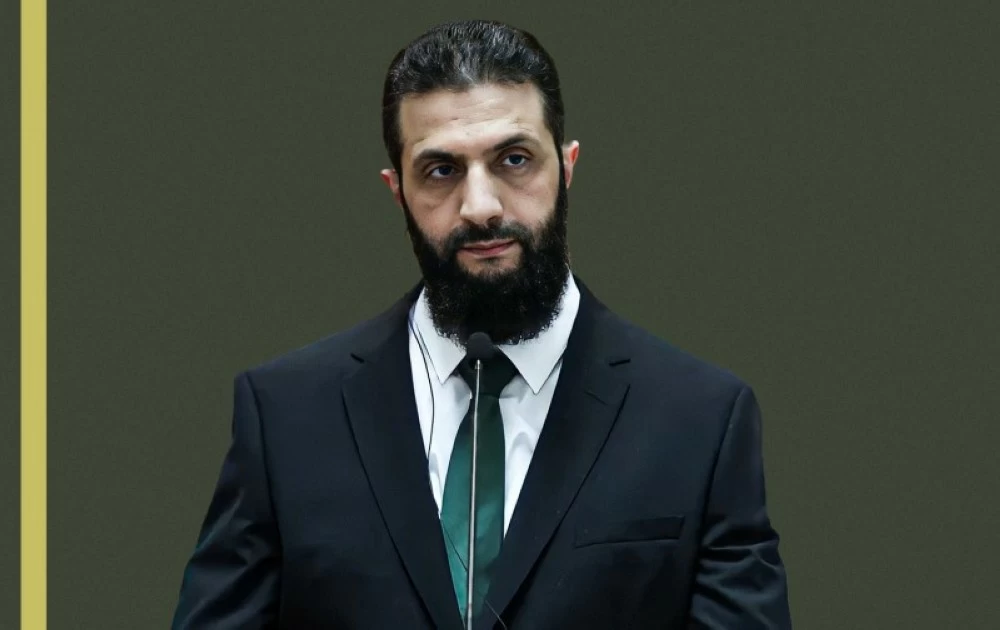
قال الرئيس السوري أحمد الشرع إن «سقف طموحات الناس ارتفع بشكل كبير، وأضحوا يطالبون بكل شيء بسرعة. واعتبر خلال جلسة حوارية ضمن مؤتمر «وحدة الخطاب الإسلامي» أمس (الإثنين)، أن السرعة في الإنجاز أدت في بعض الأوقات إلى نتائج عكسية.
وأضاف الشرع: «أسمع بعض الانتقادات، وهناك مطالبات بأشياء ربما دون مراعاة التسلسل الزمني لإصلاح هذه القطاعات، لافتا إلى أن هناك -إن صح التعبير- غيابا في الوعي المجتمعي العام لآليات الإصلاح، ربما بتقصير من الدولة نفسها لأنها لا تشارك الناس في كثير من البيانات، لكن بشكل عام هناك غياب في الوعي، في إشارة إلى صعوبة إصلاح العديد من القطاعات إثر الحرب بسرعة».
ومنذ توليه الرئاسة في ديسمبر 2024، أكد الرئيس الشرع مضيه في إصلاح القطاعات المدمرة في البلاد، وإعادة الإعمار والنهوض بالاقتصاد بعد أكثر من 13 سنة من الحرب.
وبحسب تقييم البنك الدولي فإن ثلث رأس المال العمراني قبل الحرب قد دُمّر، مع تضرر مباشر يقدر بنحو 108 مليارات دولار.
ولفت هذا التقييم إلى أن القطاعات الأكثر تضررًا في سورية شملت البنية التحتية من شبكات الكهرباء (انهيار شبه كامل)، ومحطات المياه والصرف الصحي، فضلاً عن الطرق والجسور، وخطوط النقل الحيوية. وتضرر قطاع السكن بشكل كبير، إذ دمرت كلياً أو جزئياً ثلث المساكن في البلاد.
فيما يعاني قطاع الطاقة (النفط والغاز)، من تضرر الحقول وخطوط الأنابيب شرق البلاد، فضلاً عن الزراعة وغيرها.
يذكر أن كلفة إعادة إعمار سورية، حسب تقديرات البنك الدولي، ووفق أحدث تقييم في أكتوبر 2025، تتراوح بين 140 و345 مليار دولار.
The Syrian President Ahmad al-Shara stated that "the ceiling of people's aspirations has risen significantly, and they are now demanding everything quickly. He noted during a dialogue session at the "Unity of Islamic Discourse" conference yesterday (Monday) that the speed of achievement has sometimes led to counterproductive results.
Al-Shara added: "I hear some criticisms, and there are demands for things that perhaps do not take into account the chronological order of reforming these sectors, pointing out that there is - if we may say - a lack of general societal awareness of the mechanisms of reform, perhaps due to the state's shortcomings as it does not engage people in many of the data, but in general, there is a lack of awareness," referring to the difficulty of quickly reforming many sectors due to the war.
Since taking office in December 2024, President al-Shara has confirmed his commitment to reforming the devastated sectors in the country, rebuilding, and reviving the economy after more than 13 years of war.
According to the World Bank's assessment, one-third of the capital stock before the war has been destroyed, with direct damage estimated at around 108 billion dollars.
This assessment highlighted that the most affected sectors in Syria included infrastructure such as electricity networks (almost complete collapse), water and sewage stations, as well as roads and bridges, and vital transport lines. The housing sector has been significantly affected, with one-third of the housing in the country being completely or partially destroyed.
Meanwhile, the energy sector (oil and gas) suffers from damage to fields and pipelines in the east of the country, in addition to agriculture and others.
It is worth noting that the cost of rebuilding Syria, according to the World Bank's estimates and the latest assessment in October 2025, ranges between 140 and 345 billion dollars.