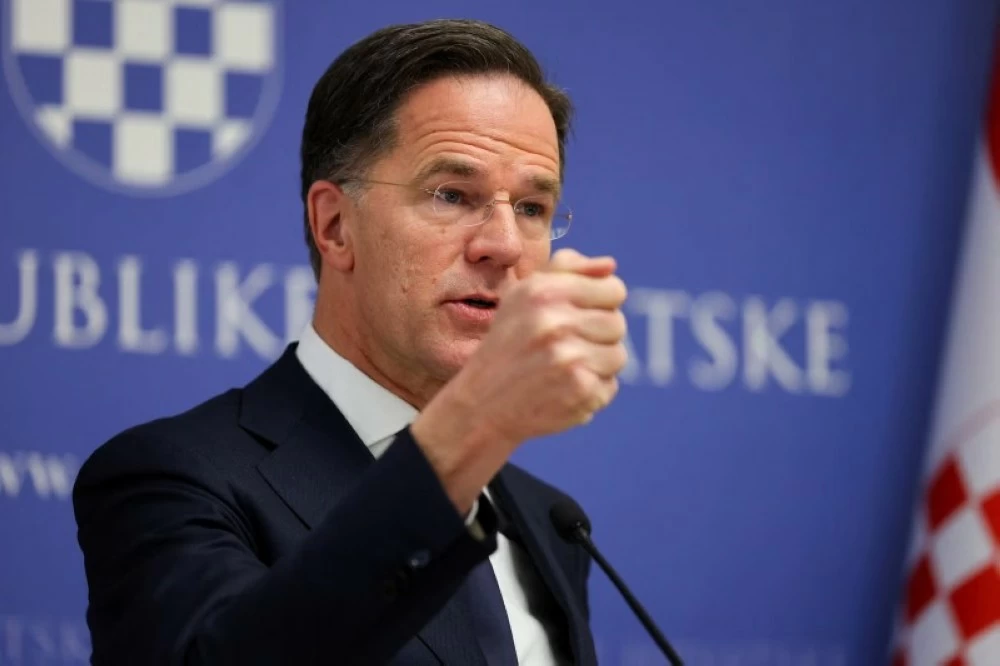
كشفت صحيفة «فاينانشال تايمز» وجود خلافات متنامية بين قيادات الاتحاد الأوروبي والأمين العام لحلف شمال الأطلسي «الناتو» مارك روته، حول كيفية التعامل مع إدارة الرئيس الأمريكي دونالد ترمب.
ولفتت المصادر إلى أن عدداً من القادة الأوروبيين انتقدوا خلال اجتماع في ميونخ يوم الجمعة الماضي، نهج روته «التصالحي» مع الرئيس الأمريكي، مطالبين إياه بإيلاء المزيد من الثقة في قدرات أوروبا الدفاعية الذاتية.
وتجيء هذه الخلافات في ظل تصاعد المخاوف الأوروبية من تراجع الالتزام الأمريكي بالدفاع عن القارة العجوز، خصوصاً بعد تصريحات ترمب التي شككت في استمرار الحماية الأمريكية لأوروبا، إضافة إلى تهديداته المثيرة للجدل بشأن جزيرة غرينلاند.
وأثار روته جدلاً واسعاً مطلع شهر فبراير الجاري، عندما أكد أن أوروبا غير قادرة على الدفاع عن نفسها دون الدعم الأمريكي، واصفاً من يعتقدون عكس ذلك بـ«الحالمين».
من جانبها، سعت رئيسة المفوضية الأوروبية أورسولا فون دير لاين، خلال مؤتمر ميونخ للأمن، إلى تعزيز بند الدفاع المتبادل في معاهدة الاتحاد الأوروبي، وطرحته بديلاً محتملاً للمادة الخامسة من معاهدة الناتو المتعلقة بالدفاع الجماعي. إلا أن أمين الناتو تمسك بموقفه أمام الصحفيين في ميونخ، مؤكداً رفضه لفكرة أن تحل آلية الدفاع الأوروبية محل التزامات الحلف الأطلسي، مشدداً على أن التعاون عبر الأطلسي يظل ضرورياً للأمن الأوروبي.
The Financial Times revealed growing disagreements between European Union leaders and NATO Secretary General Mark Rutte regarding how to deal with the administration of U.S. President Donald Trump.
Sources indicated that several European leaders criticized Rutte's "conciliatory" approach towards the U.S. president during a meeting in Munich last Friday, urging him to place more trust in Europe's self-defense capabilities.
These disagreements come amid rising European concerns over the diminishing U.S. commitment to defending the old continent, especially following Trump's statements that cast doubt on the continuation of American protection for Europe, in addition to his controversial threats regarding Greenland.
Rutte sparked widespread debate earlier this February when he asserted that Europe is unable to defend itself without American support, describing those who believe otherwise as "dreamers."
For her part, European Commission President Ursula von der Leyen sought during the Munich Security Conference to strengthen the mutual defense clause in the European Union treaty, presenting it as a potential alternative to Article 5 of the NATO treaty concerning collective defense. However, the NATO Secretary General maintained his position before journalists in Munich, reiterating his rejection of the idea that a European defense mechanism could replace NATO's commitments, emphasizing that transatlantic cooperation remains essential for European security.