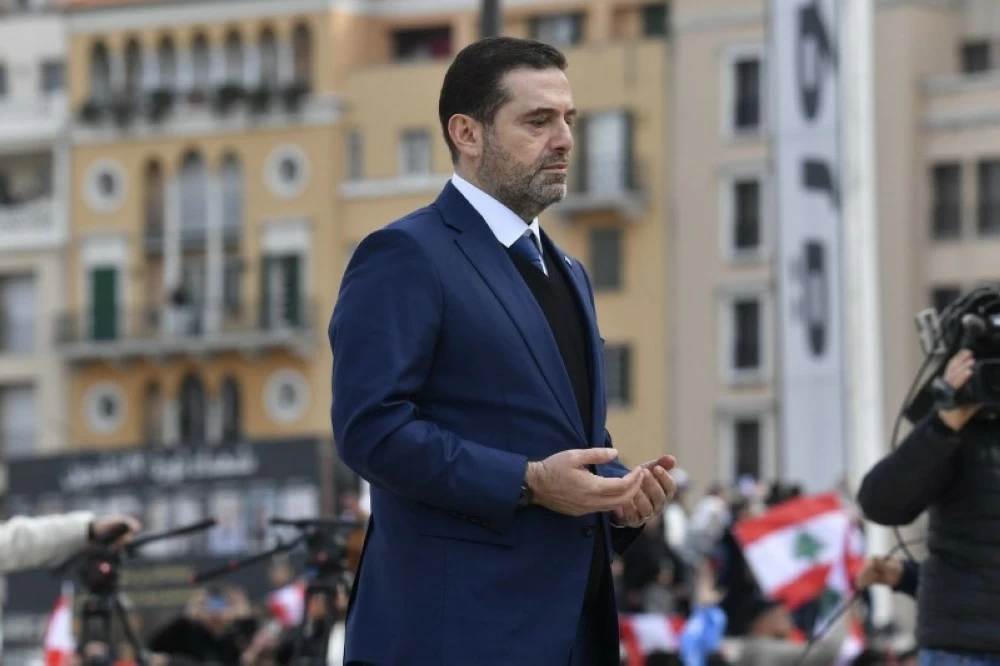
أطلق رئيس الوزراء اللبناني السابق سعد الحريري سلسلة مواقف سياسية في الذكرى 21 لاغتيال والده رفيق الحريري، رسم من خلالها المرحلة السياسية القادمة وحدود مشروعها، مؤكداً أن هذا النهج «كان وسيبقى داعماً لكل تقارب عربي وطارداً لكل خلاف». ومحذراً من محاولات الاستثمار في الخلافات العربية، معتبراً أن من «يخيط بمسلة الخلافات رح تطلع سلتو فاضية».
واستعاد الحريري سيرة والده، مؤكداً أن رفيق الحريري كان «المساهم الأكبر في وقف الحرب الأهلية»، وعراب اتفاق الطائف، وشدد على أن الحل لا يزال في التطبيق الكامل لهذا الاتفاق، لا في تجزئته أو توظيف بنوده وفق مصالح سياسية ضيقة. وقال إن اللبنانيين أنهوا الحرب برعاية الطائف، لكن القوى السياسية تعاملت معه بانتقائية، فكانت النتيجة تعطيل التنفيذ واستمرار الأزمات.
وعن الطائف، حدد الحريري عناصره الأساسية: حصر السلاح بيد الدولة، إقرار اللامركزية الإدارية، إلغاء الطائفية السياسية، إنشاء مجلس الشيوخ، وتطبيق اتفاق الهدنة بحذافيره، في تأكيد على أولوية استعادة الدولة لقرارها السيادي وبسط سلطتها الكاملة.
وأعاد الحريري تثبيت عنوان «لبنان أولاً»، بوصفه مشروعاً جامعاً لا يقبل الفتنة ولا يساوم على وحدة البلد، لافتا إلى أن الثمن الذي دُفع دفاعاً عن هذا الخيار يشهد على ثباته. وأكد أن اللبنانيين يستحقون بعد سنوات الحروب «بلداً واحداً وجيشاً واحداً وسلاحاً واحداً».
وفي الشأن الداخلي، أعلن الحريري أن تيار المستقبل سيخوض الاستحقاقات الوطنية القادمة وفي مقدمها الانتخابات النيابية، ليكون «صوت الناس» في مواجهة الأزمات المتراكمة. وتطرق إلى مرحلة غيابه عن لبنان، موضحاً أن قرار الابتعاد جاء رفضاً لتغطية الفشل أو المساومة على الدولة، معتبراً أن السياسة على حساب كرامة البلد لا مكان لها في مدرستنا، وأن الحريرية الوطنية قد تأخذ استراحة لكنها لا تنكسر ولا تندثر.
وأما في البعد العربي، فدعا إلى نسج أفضل العلاقات مع الدول العربية، بدءاً من سورية الجديدة، مبدياً دعمه لمسار إعادة الإعمار بقيادة الرئيس أحمد الشرع، في مقاربة تعكس توجهاً نحو إعادة التموضع ضمن الحاضنة العربية الأوسع.
The former Lebanese Prime Minister Saad Hariri launched a series of political statements on the 21st anniversary of his father Rafik Hariri's assassination, outlining the upcoming political phase and the boundaries of its project, affirming that this approach "has been and will continue to support all Arab rapprochement and reject all disputes." He warned against attempts to exploit Arab disagreements, stating that "those who sew with the needle of disputes will end up with an empty basket."
Hariri recalled his father's legacy, emphasizing that Rafik Hariri was "the greatest contributor to ending the civil war," and the architect of the Taif Agreement. He stressed that the solution still lies in the full implementation of this agreement, not in fragmenting it or manipulating its provisions according to narrow political interests. He stated that the Lebanese ended the war under the auspices of the Taif Agreement, but the political forces dealt with it selectively, resulting in the obstruction of implementation and the continuation of crises.
Regarding the Taif Agreement, Hariri defined its essential elements: restricting arms to the state, approving administrative decentralization, abolishing political sectarianism, establishing a Senate, and fully implementing the ceasefire agreement, reaffirming the priority of restoring the state's sovereign decision and exercising its full authority.
Hariri reaffirmed the slogan "Lebanon First," describing it as a comprehensive project that does not accept sedition and does not compromise on the unity of the country, noting that the price paid in defense of this choice attests to its steadfastness. He confirmed that the Lebanese deserve, after years of wars, "one country, one army, and one weapon."
On the internal front, Hariri announced that the Future Movement will engage in the upcoming national entitlements, foremost among them the parliamentary elections, to be "the voice of the people" in facing the accumulated crises. He touched on his period of absence from Lebanon, clarifying that the decision to stay away was a refusal to cover up failure or compromise on the state, considering that politics at the expense of the country's dignity has no place in our school, and that national Harirism may take a break but will not break or fade away.
As for the Arab dimension, he called for weaving better relations with Arab countries, starting with the new Syria, expressing his support for the reconstruction process led by President Ahmad al-Shara, in an approach that reflects a tendency towards repositioning within the broader Arab embrace.