وصف الرئيس الأمريكي دونالد ترمب، الجولة الأولى من المحادثات مع إيران بأنها «جيدة جداً»، مؤكداً أن طهران «تريد التوصل إلى اتفاق بشدة»، إلا أنه هدّد بأن الولايات المتحدة لا تستبعد الخيار العسكري إذا فشلت الدبلوماسية، مكرراً تحذيراته بشأن تحرك «أسطول أمريكي كبير» باتجاه المنطقة.
العواقب قاسية جدّاً
وفي تصريحات للصحفيين على متن الطائرة الرئاسية، قال ترمب مساء الجمعة، إن واشنطن منفتحة على التوصل إلى صفقة جديدة «مختلفة عمّا طُرح في السابق»، إلا أن الأمور ستعتمد على مضمون هذا الاتفاق، محذراً من أن «أموراً سيئة قد تحدث» في حال عدم التوصل إلى تفاهم.
وأضاف: «سنلتقي مرة أخرى في وقت مبكر من الأسبوع القادم، وهم يريدون إبرام اتفاق، إنهم يعرفون العواقب إذا لم يفعلوا ذلك. وإذا لم يتم التوصل إلى اتفاق، فستكون العواقب قاسية جداً. لذا سنرى ما الذي سيحدث».
إجماع على مواصلة المفاوضات
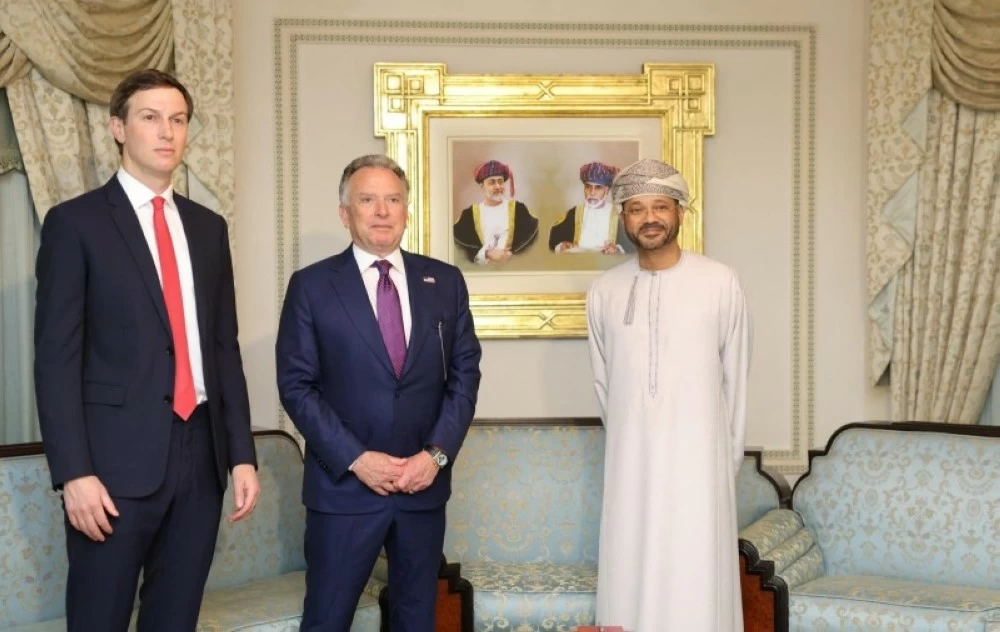
من جانبه، قال مسؤول أمريكي لشبكة NBC News، اليوم(السبت): إن المسؤولين الأمريكيين والإيرانيين لم يلتقوا بشكل مباشر، بل تبادلوا مواقفهم عبر وسطاء عمانيين، ونقل موقع «أكسيوس» عن مصدر قوله: إن المبعوثين الأمريكيين ستيف ويتكوف وجاريد كوشنر التقيا بوزير الخارجية الإيراني خلال محادثات مسقط.
واعتبر وزير الخارجية الإيراني عباس عراقجي، أن البداية «كانت جيدة. وقال إن كيفية تقدم المحادثات تعتمد على المشاورات مع العواصم. وكان هناك شبه إجماع على مواصلة المفاوضات، وتم الاتفاق على استمرارها».
وشدد على أن أي حوار يجب أن يقوم على رفع التهديدات والضغوط، وأن طهران تناقش فقط ملفها النووي، رافضة إدراج برنامجها الصاروخي أو قضايا إقليمية أخرى على جدول الأعمال. فيما تصر واشنطن على أن يشمل أي اتفاق قيوداً أوسع، معتبرة أن تخصيب اليورانيوم داخل إيران يمثل «خطاً أحمر».
وأضاف أن هناك «جواً من انعدام الثقة» بين الجانبين «يجب تجاوزه»، وأن تفاصيل الجولة القادمة المحتملة من المحادثات ستُحدد لاحقاً.
معضلة تخصيب اليورانيوم
وكشفت صحيفة «وول ستريت جورنال»، أن إيران تمسكت خلال محادثات مسقط، برفض إنهاء تخصيب اليورانيوم، لكنها أشارت إلى استعدادها لمواصلة العمل نحو حل دبلوماسي قد يجنّب حدوث ضربة أمريكية.
وأبلغ عراقجي الأمريكيين، أن «طهران لن توافق على إنهاء التخصيب أو نقله إلى الخارج»، رافضاً بذلك مطلباً أمريكياً أساسياً، بحسب الصحيفة.
ولفتت مصادر مطلعة على المناقشات، إلى أن «الجانبين لم يبتعدا كثيراً عن مواقفهما الأولية».
بدوره، اعتبر وزير الخارجية العُماني بدر البوسعيدي، أن «محادثات جادة للغاية جرت في مسقط بين إيران والولايات المتحدة».
وأضاف في تصريحات على منصة «أكس»: «كان من المفيد توضيح فكر كلٍّ من الإيرانيين والأمريكيين وتحديد مجالات لتحقيق تقدم محتمل».
ولفت إلى أن الهدف حالياً هو إعادة عقد المفاوضات «في الوقت المناسب، على أن تُدرس النتائج بعناية في طهران وواشنطن».
عقوبات أمريكية جديدة
ورغم المسار الدبلوماسي، واصلت واشنطن سياسة الضغط، بإعلانها فرض عقوبات جديدة على كيانات وسفن مرتبطة بتجارة النفط الإيراني، وبتوقيع أمر تنفيذي يفرض رسوماً جمركية على الدول التي تشتري سلعاً من إيران.
وينص الأمر التنفيذي على أن الرسوم «قد تُفرض على السلع المستوردة إلى الولايات المتحدة والتي تُعد منتجات لأي دولة تقوم، بشكل مباشر أو غير مباشر، بشراء أو استيراد أو الحصول بأي طريقة أخرى على سلع أو خدمات من إيران».
وهدد ترمب لأول مرة بفرض هذه الرسوم عبر مواقع التواصل الاجتماعي في منتصف يناير، قائلاً إنها ستدخل حيّز التنفيذ فوراً، غير أنه لم يتم إصدار أي وثيقة رسمية تُقنّن هذه السياسة حتى الجمعة. وتحمل هذه الخطوة إمكانية إرباك علاقات تجارية أمريكية كبرى حول العالم، بما في ذلك مع دول مثل الهند وتركيا والصين، بحسب ما نقلت وكالة «بلومبيرغ».
U.S. President Donald Trump described the first round of talks with Iran as "very good," emphasizing that Tehran "strongly wants to reach an agreement." However, he threatened that the United States does not rule out military options if diplomacy fails, reiterating his warnings about the movement of a "large American fleet" towards the region.
The consequences are very severe
In statements to reporters aboard Air Force One, Trump said on Friday evening that Washington is open to reaching a new deal "different from what was proposed before," but that the outcome will depend on the content of this agreement, warning that "bad things could happen" if no understanding is reached.
He added, "We will meet again early next week, and they want to make a deal; they know the consequences if they don't. And if no agreement is reached, the consequences will be very severe. So we will see what happens."
Consensus on continuing negotiations
For his part, a U.S. official told NBC News today (Saturday) that U.S. and Iranian officials did not meet directly but exchanged their positions through Omani intermediaries. Axios reported that U.S. envoys Steve Mnuchin and Jared Kushner met with the Iranian foreign minister during talks in Muscat.
Iranian Foreign Minister Abbas Araghchi considered the start "good." He said that how the talks progress depends on consultations with the capitals. There was a near consensus on continuing negotiations, and it was agreed to keep them going.
He stressed that any dialogue must be based on lifting threats and pressures, and that Tehran is only discussing its nuclear file, rejecting the inclusion of its missile program or other regional issues on the agenda. Meanwhile, Washington insists that any agreement must include broader restrictions, considering that uranium enrichment within Iran represents a "red line."
He added that there is a "climate of mistrust" between the two sides "that must be overcome," and that the details of the potential next round of talks will be determined later.
The uranium enrichment dilemma
The Wall Street Journal revealed that Iran insisted during the Muscat talks on refusing to end uranium enrichment, but indicated its readiness to continue working towards a diplomatic solution that could avoid a U.S. strike.
Araghchi informed the Americans that "Tehran will not agree to end enrichment or transfer it abroad," thus rejecting a key U.S. demand, according to the newspaper.
Informed sources on the discussions noted that "the two sides did not move far from their initial positions."
For his part, Omani Foreign Minister Badr al-Busaidi considered that "very serious talks took place in Muscat between Iran and the United States."
He added in statements on the "X" platform: "It was useful to clarify the thinking of both the Iranians and the Americans and to identify areas for potential progress."
He pointed out that the current goal is to reconvene negotiations "in a timely manner, with the results to be carefully considered in Tehran and Washington."
New U.S. sanctions
Despite the diplomatic path, Washington continued its pressure policy by announcing new sanctions on entities and ships linked to Iranian oil trade, and by signing an executive order imposing tariffs on countries that purchase goods from Iran.
The executive order states that tariffs "may be imposed on goods imported into the United States that are products of any country that directly or indirectly purchases or imports or obtains in any other way goods or services from Iran."
Trump threatened for the first time to impose these tariffs via social media in mid-January, stating that they would take effect immediately; however, no official document legalizing this policy was issued until Friday. This step has the potential to disrupt major U.S. trade relations around the world, including with countries like India, Turkey, and China, according to Bloomberg.