لم يكن إعلان إسرائيل استعادة جثة آخر أسير إسرائيلي من قطاع غزة، حدثاً منفصلاً عن اتفاق وقف الحرب، بل شكل اختباراً سياسياً مباشراً لإمكانية الانتقال من المرحلة الأولى إلى المرحلة الثانية.
فالخطوة جاءت في توقيت بالغ الحساسية، تتقاطع فيه حسابات حكومة بنيامين نتنياهو مع حدود الضغط الأمريكي، ومحاولات إسرائيلية متواصلة لإعادة تعريف الاتفاق من مسار ملزم إلى إطار قابل للتأجيل وإعادة التفسير.
تثبيت موقع نتنياهو
منذ اللحظة الأولى، تعامل نتنياهو مع الحدث بوصفه أداة سياسية لا استحقاقاً تفاوضياً؛ فقد جرى تقديم استعادة الجثة كـ«إنجاز أمني» في محاولة لفصلها عن سياق الاتفاق، وإدراجها ضمن سردية تحقيق أهداف الحرب. هذا الخطاب لم يكن موجهاً للخارج بقدر ما كان رسالة تهدف إلى تثبيت موقع نتنياهو داخل ائتلافه اليميني، والتأكيد أن الحكومة لا تنتقل بين مراحل الاتفاق استجابةً لضغوط أمريكية، بل وفقاً لحساباتها الخاصة.
غير أن المعطيات تؤكد أن ملف الجثة لم يكن العقبة الفعلية أمام الانتقال إلى المرحلة الثانية؛ لأن معلومات أساسية حول مكانها كانت متوافرة منذ أسابيع، ما يعني أن تأخير الاستعادة ارتبط بحسابات سياسية، وتحديداً بملف معبر رفح. وعليه، استخدم الملف كورقة تعطيل مؤقتة قبل الانتقال إلى ذرائع أكثر اتساعاً وتعقيداً.
مساومة وتفاوض مفتوح
يتضح ذلك في الكيفية التي أُعلن فيها عن فتح معبر رفح لاحقاً، حيث جرى توصيف الخطوة بأنها فتح «محدود» وتحت «آلية إشراف إسرائيلية كاملة». وبدلاً من تنفيذ واضح لبنود المرحلة الأولى، كما نص عليها اتفاق وقف الحرب، جرى تفريغ الاستحقاق من مضمونه وتحويل فتح المعبر إلى إجراء مشروط يعيد إنتاج السيطرة الإسرائيلية بصيغة مختلفة.
في جوهرها، تنظر حكومة نتنياهو إلى الاتفاق باعتباره مساحة تفاوض مفتوحة لا مساراً مرحلياً ملزماً. فالمرحلة الثانية، وفق هذه الرؤية، لا تبدأ تلقائياً بانتهاء الأولى، بل تخضع لإعادة تقييم سياسية وأمنية. ومن هذا المنطلق، جاء الدفع السريع نحو إدخال ملفات جديدة إلى جدول الأعمال؛ وفي مقدمتها نزع سلاح حماس، وربط إعادة الإعمار بترتيبات أمنية طويلة الأمد، بما يحول المرحلة الثانية إلى ساحة مساومة لا إلى استحقاق تنفيذي.
على الجانب الأمريكي، يبدو الموقف متردداً بين الضغط والاحتواء، فقد مارست واشنطن ضغوطاً واضحة لدفع إسرائيل إلى استعادة الجثة وفتح معبر رفح، لكنها في الوقت نفسه قبلت بصيغة لا تتوافق مع نصوص الاتفاق ولا تحقق أهدافه العملية، الأمر الذي يعكس سياسة أمريكية تقوم على منع انهيار الاتفاق، في ظل إدراك الإدارة الأمريكية أن الحكومة الإسرائيلية الحالية غير مستعدة لاتخاذ قرار سياسي من هذا الحجم.
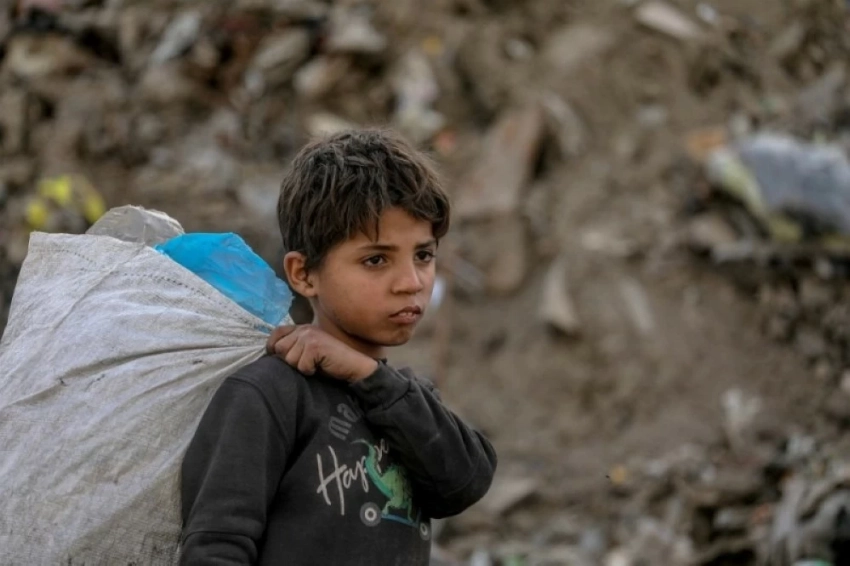
طفل فلسطيني يجمع البلاستيك في مكب للقمامة وسط مدينة غزة (إ ب أ)
سيناريوهات المرحلة الثانية
في ضوء هذا المشهد، يبرز ثلاثة سيناريوهات محتملة لمسار المرحلة الثانية: السيناريو الأول: الانتقال الشكلي، إذ تعلن إسرائيل التزامها المبدئي بالمرحلة الثانية، من دون ترجمة ذلك إلى خطوات تنفيذية واضحة، مع إبقاء البنود الجوهرية معلقة عبر ذرائع أمنية وإجرائية. هذا السيناريو يسمح بالحفاظ على الاتفاق قائماً شكلياً، مع تعطيله فعلياً.
السيناريو الثاني: الانتقال المشروط، وهو الأكثر ترجيحاً حتى الآن، يقوم على انتقال مشروط ومفرغ من المضمون. ففي هذا الإطار، توافق إسرائيل على بدء المرحلة الثانية، لكنها تربط تنفيذها بسلسلة شروط جديدة لم تكن جزءاً من نص الاتفاق، مثل نزع السلاح وترتيبات أمنية طويلة الأمد وربط إعادة الإعمار بإشراف سياسي وأمني موسع. بهذا، تتحول المرحلة الثانية إلى عملية تفاوض مفتوحة بلا سقف زمني.
أما السيناريو الثالث: فهو إعادة تدوير المرحلة الأولى تحت مسميات مختلفة، عبر تمديد وقف النار الهش، وفتح محدود للمعابر، ومعالجات تقنية لبعض الملفات، من دون إعلان رسمي للانتقال إلى المرحلة الثانية. هذا السيناريو يسمح لإسرائيل بتجنب إعلان فشل الاتفاق، وفي الوقت نفسه يمنع الوصول إلى استحقاق سياسي شامل.
غموض للحفاظ على الائتلاف
في الداخل الإسرائيلي لا يبدو أن هذه السياسة تفرض ثمناً سياسياً فورياً على نتنياهو. فقاعدته اليمينية لا ترى في الانتقال إلى المرحلة الثانية أولوية، بل تعتبر إدارة الغموض وسيلة للحفاظ على توازن الائتلاف. وهكذا يواصل نتنياهو إدارة الاتفاق بمنطق إدارة الأزمات لا حسمها.
في المحصلة، لا يمكن اعتبار استعادة جثة آخر أسير إسرائيلي مدخلاً فعلياً للمرحلة الثانية من اتفاق وقف الحرب في غزة، فهي أسقطت ذريعة واحدة فقط، من دون أن تمس جوهر السياسة الإسرائيلية القائمة على التأجيل وإعادة التفاوض. ويبقى الانتقال الحقيقي رهناً بقرار إسرائيلي غير متوافر حتى الآن، وبضغط دولي لا يتجاوز سقف الاحتواء، ما يجعل المرحلة الثانية عنواناً مؤجلاً لا مساراً مفتوحاً.
Israel's announcement of the recovery of the last Israeli soldier's body from the Gaza Strip was not a separate event from the ceasefire agreement, but rather a direct political test of the possibility of moving from the first phase to the second phase.
The timing of this step was extremely sensitive, intersecting the calculations of Benjamin Netanyahu's government with the limits of American pressure, and ongoing Israeli attempts to redefine the agreement from a binding path to a framework that can be postponed and reinterpreted.
Consolidating Netanyahu's Position
From the very first moment, Netanyahu treated the event as a political tool rather than a negotiating entitlement; the recovery of the body was presented as a "security achievement" in an attempt to separate it from the context of the agreement and include it within the narrative of achieving the war's objectives. This discourse was not directed outward as much as it was a message aimed at consolidating Netanyahu's position within his right-wing coalition, affirming that the government does not move between phases of the agreement in response to American pressures, but according to its own calculations.
However, the data confirms that the issue of the body was not the actual obstacle to moving to the second phase; essential information about its location had been available for weeks, meaning that the delay in recovery was linked to political calculations, specifically regarding the Rafah crossing. Consequently, the issue was used as a temporary delaying tactic before moving to broader and more complex justifications.
Bargaining and Open Negotiations
This is evident in the manner in which the opening of the Rafah crossing was later announced, where the step was described as a "limited" opening under "full Israeli supervision." Instead of a clear implementation of the first phase's provisions, as stipulated in the ceasefire agreement, the entitlement was drained of its substance, and the opening of the crossing was turned into a conditional procedure that reproduces Israeli control in a different format.
At its core, Netanyahu's government views the agreement as an open negotiation space rather than a binding phased path. The second phase, according to this vision, does not automatically begin with the end of the first, but is subject to political and security reassessment. From this standpoint, there was a swift push to introduce new files to the agenda; foremost among them was the disarmament of Hamas and linking reconstruction to long-term security arrangements, transforming the second phase into a bargaining arena rather than an executive entitlement.
On the American side, the position appears hesitant between pressure and containment; Washington has exerted clear pressure to push Israel to recover the body and open the Rafah crossing, but at the same time accepted a formula that does not align with the texts of the agreement nor achieve its practical goals, reflecting an American policy aimed at preventing the collapse of the agreement, given the U.S. administration's awareness that the current Israeli government is not prepared to make a political decision of this magnitude.
طفل فلسطيني يجمع البلاستيك في مكب للقمامة وسط مدينة غزة (إ ب أ)
Scenarios for the Second Phase
In light of this scene, three potential scenarios for the second phase emerge: the first scenario: formal transition, where Israel announces its initial commitment to the second phase without translating that into clear executive steps, while keeping the essential clauses suspended through security and procedural justifications. This scenario allows for the agreement to remain formally in place while effectively disabling it.
The second scenario: conditional transition, which is the most likely so far, is based on a conditional and content-free transition. In this framework, Israel agrees to begin the second phase, but ties its implementation to a series of new conditions that were not part of the agreement text, such as disarmament and long-term security arrangements, linking reconstruction to expanded political and security oversight. Thus, the second phase becomes an open-ended negotiation process without a time limit.
The third scenario: is the recycling of the first phase under different names, through extending the fragile ceasefire, limited openings of crossings, and technical treatments for some files, without an official announcement of the transition to the second phase. This scenario allows Israel to avoid declaring the agreement a failure while simultaneously preventing the achievement of a comprehensive political entitlement.
Ambiguity to Maintain the Coalition
Within Israel, this policy does not seem to impose an immediate political cost on Netanyahu. His right-wing base does not see the transition to the second phase as a priority, but rather views managing ambiguity as a means to maintain coalition balance. Thus, Netanyahu continues to manage the agreement with a crisis management logic rather than resolving it.
In conclusion, the recovery of the last Israeli soldier's body cannot be considered a genuine entry point for the second phase of the ceasefire agreement in Gaza; it has only eliminated one justification without touching the essence of Israeli policy based on postponement and renegotiation. The real transition remains contingent on an Israeli decision that is not currently available, and on international pressure that does not exceed the limits of containment, making the second phase a postponed title rather than an open path.