أعلن رئيس غواتيمالا برناردو أرفالو، حالة الطوارئ في جميع أنحاء البلاد لمدة 30 يوماً، بهدف استخدام «كامل قوة الدولة» لمواجهة العصابات الإجرامية التي سيطرت على ثلاثة سجون وشنت هجمات دامية على الشرطة.
وجاء الإعلان، بعد يوم من التمردات المنسقة في السجون التي أدت إلى احتجاز 46 رهينة، وهجمات انتقامية أسفرت عن مقتل 10 شرطيين وإصابة 10 آخرين.
وأكد أرفالو في خطاب متلفز أن الإجراء يهدف إلى ضمان حماية المواطنين واستعادة السيطرة على الوضع الأمني، مشيراً إلى أن العصابات وعلى رأسها باريو 18 تحاول «ترهيب الشعب» وتقويض جهود الحكومة في مكافحة الجريمة المنظمة.
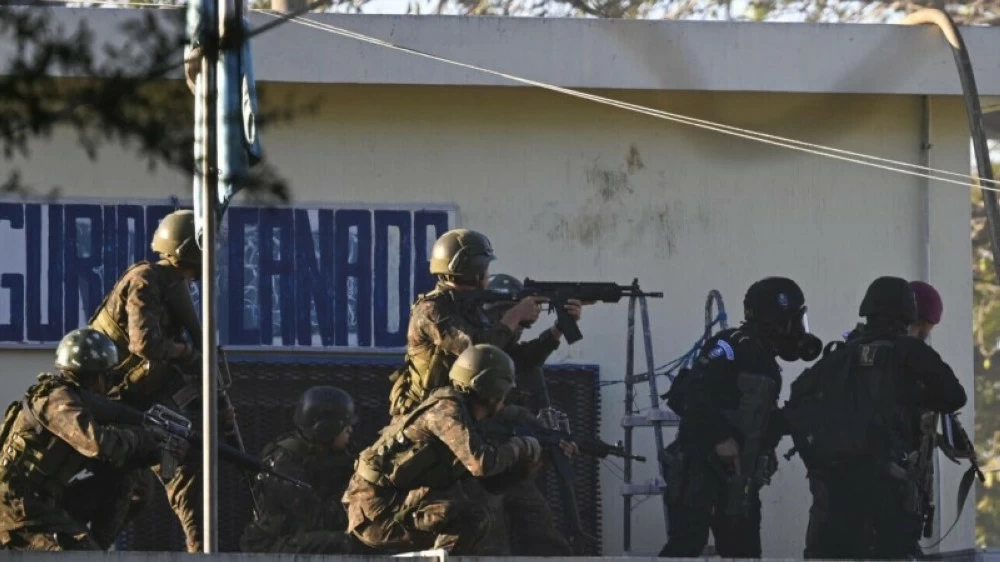
عناصر من قوات الأمن في غواتيمالا.
إجراءات طارئة لمواجهة العنف
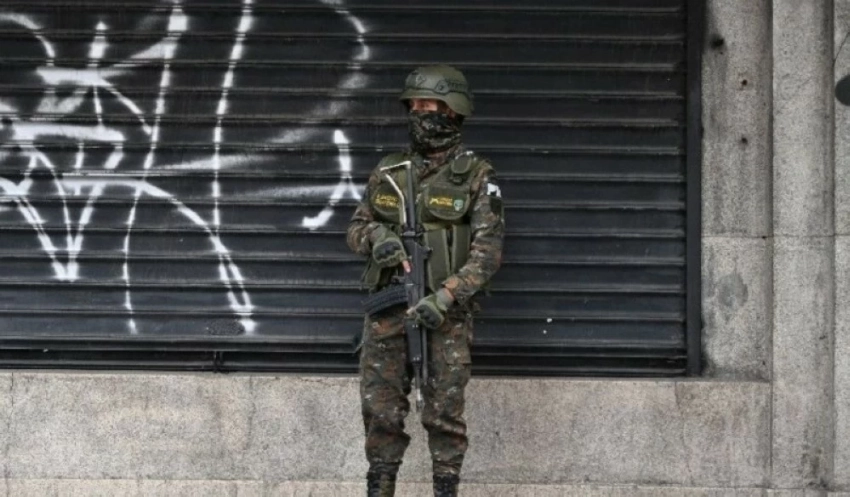
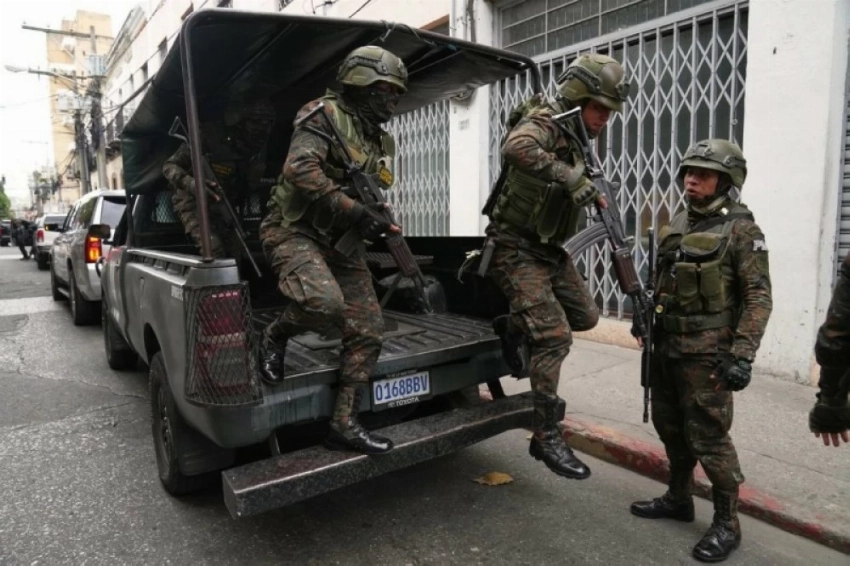
وقد نشرت الجريدة الرسمية للبلاد مرسوم حالة الطوارئ أمس (الإثنين)، ووافق عليه البرلمان بأغلبية ساحقة، وتتيح الحالة الاستثنائية للشرطة والجيش إجراء اعتقالات دون أمر قضائي، وتعليق حرية التجمع، وفرض قيود على حركة المركبات، وسط انتشار أمني كثيف في العاصمة وضواحيها.
وأثار الحدث موجة من الحزن الوطني، وحضر أرفالو جنازات بعض الضباط القتلى، مؤكداً أن «الدولة لن تتفاوض مع الإرهابيين أو الجريمة المنظمة» ويُعتقد أن التمرد كان رد فعل على سحب امتيازات من قادة العصابات في السجون.
عناصر من قوات الأمن في غواتيمالا.
موجة عنف شديدة في السجون
شهدت غواتيمالا موجة عنف شديدة في منتصف يناير، بدأت يوم السبت 17 يناير بتمردات منسقة في ثلاثة سجون رئيسية، وسيطر سجناء من عصابة باريو 18 (إحدى أقوى العصابات في أمريكا الوسطى) على هذه السجون، وأخذوا نحو 46 حارساً وموظفاً رهائن، مطالبين بنقل زعيمهم ألدو دوبي أوشوا إلى سجن أقل حراسة ومنحه امتيازات إضافية.
وردت السلطات بقوة، واستعادت السيطرة على السجون يوم الأحد 18 يناير، مع إطلاق سراح الرهائن، لكن العصابة شنت هجمات انتقامية منسقة على قوات الشرطة في العاصمة وضواحيها، أسفرت عن مقتل 10 شرطيين وإصابة 10 آخرين.
Guatemala's President Bernardo Arévalo declared a state of emergency across the country for 30 days, aiming to use the "full power of the state" to confront the criminal gangs that have taken control of three prisons and launched deadly attacks on the police.
The announcement came a day after coordinated riots in the prisons that led to the hostage-taking of 46 individuals, and retaliatory attacks that resulted in the deaths of 10 police officers and injuries to 10 others.
In a televised address, Arévalo confirmed that the measure aims to ensure the protection of citizens and restore control over the security situation, noting that the gangs, led by Barrio 18, are trying to "intimidate the people" and undermine the government's efforts to combat organized crime.
عناصر من قوات الأمن في غواتيمالا.
Emergency Measures to Combat Violence
The country's official gazette published the emergency decree yesterday (Monday), which was overwhelmingly approved by parliament. The exceptional state allows the police and military to carry out arrests without a court order, suspend the freedom of assembly, and impose restrictions on vehicle movement, amid heavy security presence in the capital and its suburbs.
The event sparked a wave of national mourning, and Arévalo attended the funerals of some of the fallen officers, affirming that "the state will not negotiate with terrorists or organized crime." It is believed that the riots were a reaction to the withdrawal of privileges from gang leaders in the prisons.
عناصر من قوات الأمن في غواتيمالا.
Severe Wave of Violence in Prisons
Guatemala witnessed a severe wave of violence in mid-January, starting on Saturday, January 17, with coordinated riots in three major prisons. Inmates from the Barrio 18 gang (one of the strongest gangs in Central America) took control of these prisons, taking around 46 guards and staff members hostage, demanding the transfer of their leader Aldo Dubi Ochoa to a less secure prison and granting him additional privileges.
The authorities responded forcefully, regaining control of the prisons on Sunday, January 18, with the release of the hostages. However, the gang launched coordinated retaliatory attacks on police forces in the capital and its suburbs, resulting in the deaths of 10 police officers and injuries to 10 others.