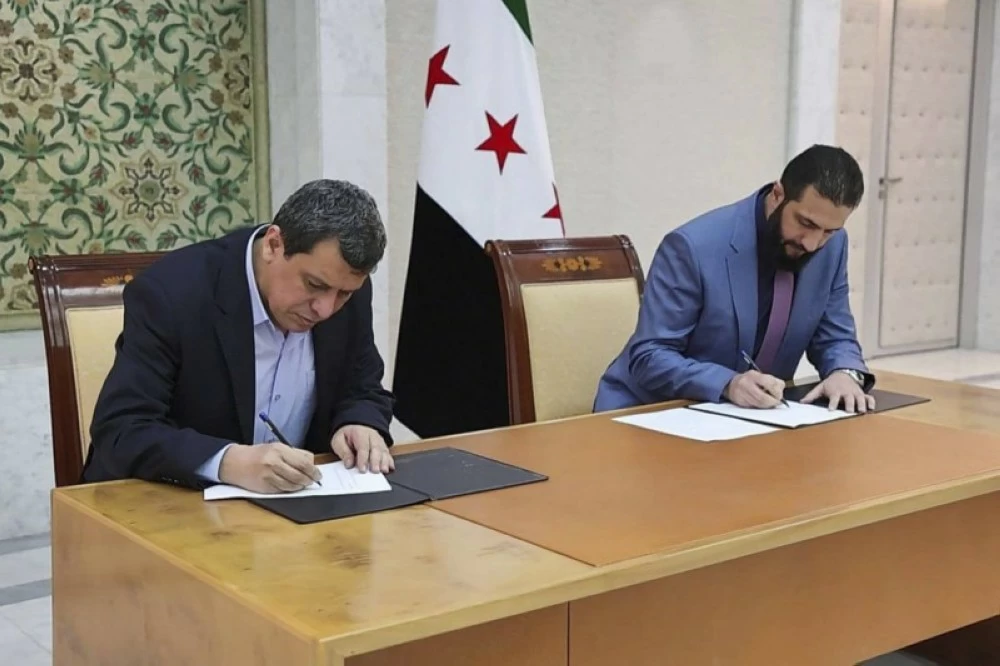
أفصحت مصادر سورية أن اللقاء الذي عقد في دمشق، أمس الإثنين، بين الحكومة السورية والمبعوث الأمريكي توم براك ووفد من قوات سورية الديمقراطية (قسد)، انتهى بالفشل، متهمة قائد قسد بالتراجع عن الاتفاق الذي وقعه مع الرئيس أحمد الشرع الأحد، الذي يؤكد على وحدة الأراضي السورية.
اجتماع لمدة 5 ساعات
وكشفت المصادر لوكالة الأنباء الألمانية أن اجتماع الساعات الـ 5 متواصلةً بحضور الرئيس الشرع ووزير الدفاع مرهف أبو قصرة ووزير الخارجية أسعد الشيباني ومدير المخابرات حسين السلامة والوفد الأمريكي برئاسة توم براك، شهد تراجع وفد قسد برئاسة مظلوم عبدي عن الاتفاق، ورفض منصب نائب وزير الدفاع أو أن يرشح اسماً لمنصب محافظ الحسكة لإبعاد قسد عن حزب العمال الكردستاني.
وأفادت المصادر بأن عبدي لم يكن صاحب قرار، وكان متردداً بسبب الضغوط عليه من قيادات حزب العمال الكردستاني للتراجع عن الاتفاق الذي وقعه ورعاه زعيم إقليم كردستان العراق السابق مسعود برزاني.
حسم ملف الحسكة
وأكدت أن الشرع رفض طلب عبدي بأن تبقى محافظة الحسكة تحت إدارة قسد لإتمام الاتفاق، وأنه طلب مهلة 5 أيام للتشاور مع قيادة قسد، لكن الشرع رفض المهلة، وطلب منه جواباً نهائياً مع نهاية اليوم وإلا ستبلغ الأطراف الدولية بأن مظلوم عبدي انسحب من الاتفاق والدولة السورية ستحسم ملف الحسكة بالقوة.
سيطرة العقلية المليشياوية
من جانبه، كشف مسؤول كردي أن اللقاء بين الرئيس السوري أحمد الشرع وقائد «قسد» مظلوم عبدي، أمس الإثنين، لتطبيق بنود الاتفاق، لم يفضِ إلى توافق.
وأعلن ممثل ما يعرف بـ «الإدارة الذاتية الكردية» في العاصمة السورية عبدالكريم عمر، اليوم الثلاثاء، أن المفاوضات التي عقدها الشرع وعبدي في دمشق، بشأن آلية تنفيذ اتفاق وقف إطلاق النار «انهارت تماماً»، وفق ما نقلت وكالة «فرانس برس». وزعم أن مطلب السلطات السورية الوحيد هو «الاستسلام غير المشروط» للقوات الكردية.
وكان مستشار الرئيس السوري أحمد موفق زيدان، وصف اللقاء بأنه لم يكن جيداً أو على قدر التطلعات المرجوة منه. وكشف انقسامات داخل قوات سورية الديمقراطية، وقال: «ما يوقع عليه مظلوم عبدي مع الدولة السورية لا يقنع تيار قنديل في قسد بسبب سيطرة العقلية المليشياوية»، وفق قوله. وتحدث عن انعدام الثقة خصوصاً بعد تنصل قوات قسد من الاتفاق الذي وقع الأحد الماضي.
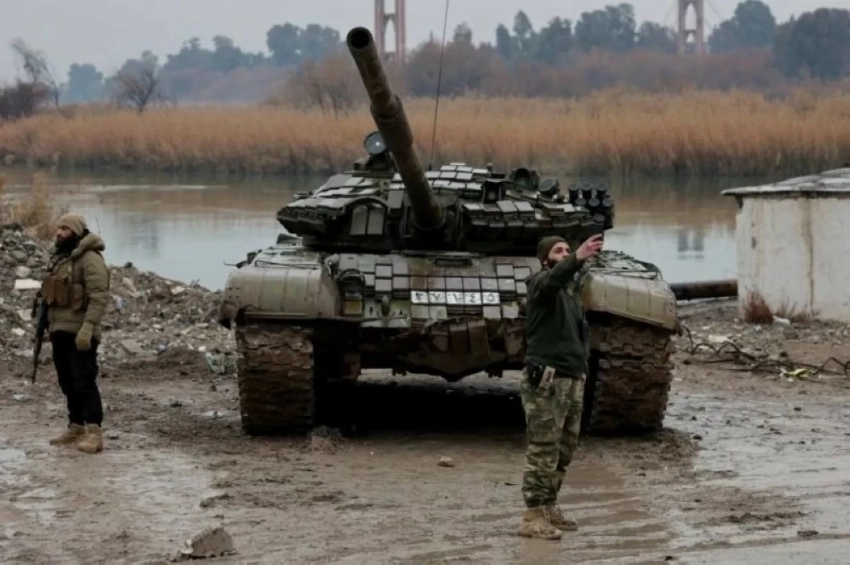
قوات للجيش السوري قرب الرقة.
مسد تطالب باللامركزية
في غضن ذلك، واصلت القوات السورية تقدمها في شمال وشرق البلاد. وأعلنت وزارة الدفاع السيطرة بالكامل على محافظتين الرقة (شمال) ودير الزور (شرق)، بينما لا تزال الأجزاء الشرقية من محافظة الحسكة، التي تقع في أقصى الشمال الشرقي للبلاد، تحت سيطرة قوات سورية الديموقراطية. وأعلن الجيش السوري وصول وحداته إلى «مشارف» مدينة الحسكة، مركز المحافظة التي تعدّ معقل الأقلية الكردية.
مع انهيار المفاوضات بين دمشق وقوات سورية الديمقراطية، أكد مجلس سورية الديمقراطية «مسد»، أنه لم يرفض الحوار مع السلطات السورية.
وأفاد بأنه «يرفض الخروقات وفرض الأوامر»، وفق تعبيره.
وقال المجلس الذي يعد بمثابة «الجناح السياسي لقوات قسد» أنه يطالب باللامركزية حلاً للأزمة الراهنة.
Syrian sources revealed that the meeting held in Damascus yesterday, Monday, between the Syrian government, the American envoy Tom Brack, and a delegation from the Syrian Democratic Forces (SDF), ended in failure, accusing the SDF leader of retracting from the agreement he signed with President Ahmad al-Shara on Sunday, which emphasizes the unity of Syrian territory.
A 5-Hour Meeting
Sources disclosed to the German news agency that the 5-hour meeting, attended by President al-Shara, Defense Minister Marhaf Abu Qasra, Foreign Minister Asaad al-Shaibani, Intelligence Director Hussein al-Salama, and the American delegation headed by Tom Brack, witnessed the SDF delegation, led by Mazloum Abdi, retracting from the agreement and refusing the position of Deputy Minister of Defense or to nominate a name for the position of Governor of Hasakah to distance the SDF from the Kurdistan Workers' Party (PKK).
Sources indicated that Abdi was not the decision-maker and was hesitant due to pressure from PKK leaders to retract from the agreement that was signed and sponsored by the former leader of the Kurdistan Region of Iraq, Masoud Barzani.
Resolving the Hasakah Issue
It was confirmed that al-Shara rejected Abdi's request for the Hasakah Governorate to remain under SDF administration to complete the agreement, and he requested a 5-day extension to consult with SDF leadership. However, al-Shara refused the extension and demanded a final answer by the end of the day; otherwise, he would inform international parties that Mazloum Abdi had withdrawn from the agreement and that the Syrian state would resolve the Hasakah issue by force.
Militia Mentality Dominates
For his part, a Kurdish official revealed that the meeting between Syrian President Ahmad al-Shara and SDF leader Mazloum Abdi on Monday, aimed at implementing the terms of the agreement, did not lead to any consensus.
The representative of what is known as the "Kurdish Autonomous Administration" in the Syrian capital, Abdul Karim Omar, announced today, Tuesday, that the negotiations held by al-Shara and Abdi in Damascus regarding the mechanism for implementing the ceasefire agreement "collapsed completely," according to what was reported by the French Press Agency. He claimed that the only demand of the Syrian authorities is "unconditional surrender" of the Kurdish forces.
Syrian President's advisor Ahmad Mufaq Zidan described the meeting as not good or meeting the expected aspirations. He revealed divisions within the Syrian Democratic Forces, stating: "What Mazloum Abdi signs with the Syrian state does not convince the Qandil faction in the SDF due to the dominance of the militia mentality," as he put it. He spoke of a lack of trust, especially after the SDF's retreat from the agreement signed last Sunday.
قوات للجيش السوري قرب الرقة.
MSD Calls for Decentralization
Meanwhile, Syrian forces continued their advance in the north and east of the country. The Ministry of Defense announced complete control over the provinces of Raqqa (north) and Deir ez-Zor (east), while the eastern parts of Hasakah province, located in the far northeast of the country, remain under the control of the Syrian Democratic Forces. The Syrian army announced that its units had reached the "outskirts" of the city of Hasakah, the center of the province that is considered the stronghold of the Kurdish minority.
With the collapse of negotiations between Damascus and the Syrian Democratic Forces, the Syrian Democratic Council (MSD) confirmed that it has not rejected dialogue with the Syrian authorities.
It stated that it "rejects violations and the imposition of orders," as expressed.
The council, which serves as the "political wing of the SDF," stated that it demands decentralization as a solution to the current crisis.