يتجه لبنان إلى مرحلة دقيقة قد تكون من الأكثر تعقيداً منذ بدء عمل «لجنة الميكانيزم»، في ظل مؤشرات متزايدة إلى محاولة إسرائيل فرض مسار تفاوضي جديد خارج هذا الإطار، بما يضع لبنان أمام اختبار سياسي وأمني بالغ الحساسية، ويهدد بتفجير ما تبقى من آليات إدارة النزاع جنوباً، إذا ما أصر الجانب الإسرائيلي على رفع مستوى المحادثات بعيداً عن الميكانيزم وصيغته القائمة.
تعثر سياسي واضح
الغموض لا يزال يلف اجتماع لجنة الميكانيزم المرتقب خلال الساعات القادمة، سواء من حيث موعد انعقاده أو طبيعته، وسط معلومات تؤكد أنه في حال انعقد فسيكون محصوراً بالشق العسكري فقط، من دون مشاركة الأعضاء المدنيين، ما يعكس تعثراً سياسياً واضحاً وخطراً فعلياً بتوقف المسار التفاوضي، مقابل محاولات حثيثة لإعادة إطلاقه بصيغة مختلفة.
العقبات كما بات معلوماً، تتمثل أولاً في مصير التمثيل الأمريكي داخل اللجنة، حيث لم تحسم واشنطن بعد اسم الشخصية التي ستنوب عن مورغان أورتاغوس، في ظل عدم وضوح ما إذا كانت ستستمر في مهامها أم لا. أما العقبة الثانية، فتتصل بالتباين الأمريكي الفرنسي، إذ تصر باريس على توسيع تمثيلها داخل الميكانيزم عبر إضافة شخصية سياسية دبلوماسية إلى جانب الممثل الحالي، وهو ما ترفضه واشنطن التي تسعى إلى حصر دور اللجنة تمهيداً لتحويلها إلى قناة تفاوض ثنائية بين لبنان وإسرائيل بوجود أمريكي فقط، ومن دون أي أدوار دولية إضافية.
فشل الصيغة الأولى
بالتوازي، تشير معطيات متقاطعة إلى مسعى أمريكي إسرائيلي مزدوج، يقوم من جهة على إعادة الميكانيزم إلى وظيفته التقنية الأساسية، أي مراقبة اتفاق وقف إطلاق النار، ومن جهة ثانية رفع مستوى المفاوضات عبر اقتراح تشكيل لجنة سياسية عسكرية مشتركة بين لبنان وإسرائيل، تعقد اجتماعاتها خارج المنطقة وبرعاية أمريكية حصرية، وتتولى إدارة ملف التفاوض بهدف إنهاء حالة العداء بين الجانبين، وحل الملفات العالقة، بما يفتح الباب أمام تعديل اتفاقية الهدنة.
وتكشف المعلومات أن هذا التوجه جاء نتيجة فشل الصيغة الأولى التي اعتمدت عبر إدخال ممثلين مدنيين إلى لجنة الميكانيزم، من دون تحقيق أي خرق، في ظل اتساع الهوة بين الشروط الإسرائيلية والموقف اللبناني. كما تردد وصول رسائل إلى أركان الدولة اللبنانية تتضمن طلباً واضحاً برفع مستوى المحادثات، مع تشديد إسرائيلي على أن أي اتفاق جديد يفترض إنهاء حالة العداء بشكل كامل، وربط ذلك صراحة بمطلب التخلص من كل أشكال العمل المسلح، ووضع هذا البند في صلب أي اتفاق أمني جديد.
تحديات وعوائق كبيرة
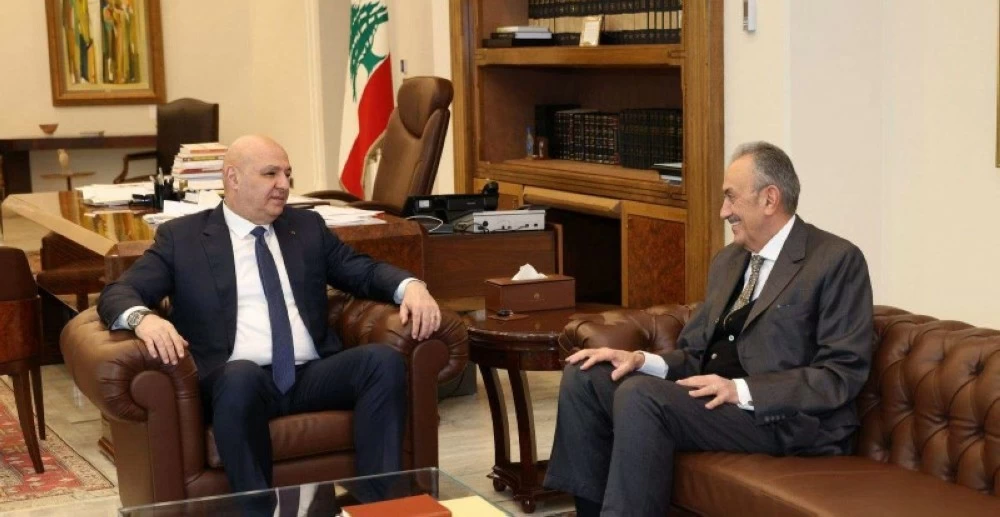
في المقابل، تؤكد مصادر رسمية لبنانية أن موعد اجتماع الميكانيزم لم يتحدد بعد، رغم التحضيرات التي أجراها الرئيس جوزيف عون مع السفير سيمون كرم، مشيرة إلى عوائق كبيرة أبرزها الكباش الأمريكي الفرنسي. وتلفت المصادر إلى أن هذا التعثر السياسي لا ينعكس ميدانياً جنوباً، حيث يستمر التنسيق بين الجيش اللبناني والميكانيزم، فيما يقتصر التوتر على طريقة تعامل إسرائيل مع الطرف الفرنسي داخل اليونيفل.
وفي خلاصة المشهد، يقف لبنان أمام تحديات متشابكة، أبرزها مصير لجنة الميكانيزم، ومستقبل مؤتمر دعم الجيش المقرر في باريس، في ظل إصرار إسرائيل على التفاوض المباشر، ورفضها أي دور للأمم المتحدة أو لفرنسا، مقابل تمسك لبناني حتى الساعة بحصر النقاش في الإطار الأمني المرحلي، ورفض الانزلاق إلى مسار تفاوض سياسي مباشر.
Lebanon is heading into a delicate phase that may be one of the most complex since the establishment of the "Mechanism Committee," amid increasing indications of an Israeli attempt to impose a new negotiation path outside this framework, placing Lebanon before a highly sensitive political and security test, and threatening to explode what remains of the mechanisms for managing the conflict in the south, should the Israeli side insist on elevating the level of discussions away from the mechanism and its current format.
Clear Political Stalemate
The ambiguity still surrounds the anticipated meeting of the Mechanism Committee in the coming hours, both in terms of its timing and nature, amid information confirming that if it convenes, it will be limited to the military aspect only, without the participation of civilian members, reflecting a clear political stalemate and a real danger of halting the negotiation process, against the backdrop of persistent attempts to relaunch it in a different format.
The obstacles, as has become known, are primarily represented in the fate of the American representation within the committee, as Washington has not yet finalized the name of the individual who will replace Morgan Ortagus, amid uncertainty about whether it will continue its role or not. The second obstacle relates to the American-French divergence, as Paris insists on expanding its representation within the mechanism by adding a diplomatic political figure alongside the current representative, which Washington rejects, seeking to confine the committee's role in preparation for transforming it into a bilateral negotiation channel between Lebanon and Israel with only American involvement, and without any additional international roles.
Failure of the First Format
In parallel, intersecting data indicates a dual American-Israeli effort, which aims on one hand to return the mechanism to its basic technical function, namely monitoring the ceasefire agreement, and on the other hand to elevate the level of negotiations by proposing the formation of a joint political-military committee between Lebanon and Israel, which would hold its meetings outside the region and under exclusive American sponsorship, and manage the negotiation file with the aim of ending the state of hostility between the two sides and resolving outstanding issues, thereby opening the door to amending the ceasefire agreement.
Information reveals that this direction came as a result of the failure of the first format that was adopted by introducing civilian representatives into the Mechanism Committee, without achieving any breakthrough, amid the widening gap between the Israeli conditions and the Lebanese stance. It is also reported that messages have reached the pillars of the Lebanese state containing a clear request to elevate the level of discussions, with Israeli insistence that any new agreement should completely end the state of hostility, explicitly linking this to the demand to eliminate all forms of armed action, and placing this item at the core of any new security agreement.
Significant Challenges and Obstacles
On the other hand, Lebanese official sources confirm that the date for the Mechanism meeting has not yet been determined, despite the preparations made by President Joseph Aoun with Ambassador Simon Karam, pointing to significant obstacles, the most prominent of which is the American-French standoff. The sources note that this political stalemate is not reflected in the field in the south, where coordination between the Lebanese army and the mechanism continues, while the tension is limited to how Israel deals with the French side within UNIFIL.
In summary, Lebanon faces intertwined challenges, the most prominent of which are the fate of the Mechanism Committee and the future of the conference to support the army scheduled in Paris, amid Israel's insistence on direct negotiations and its rejection of any role for the United Nations or France, against the backdrop of a Lebanese commitment so far to confine the discussion within the framework of interim security, and a refusal to slip into a direct political negotiation path.