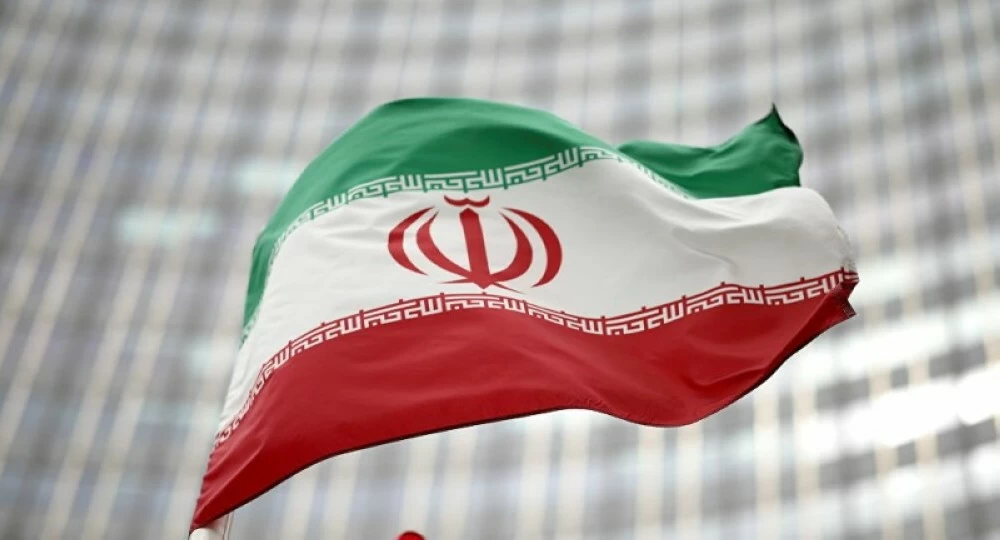
حذّر مجلس الدفاع الإيراني، اليوم (الثلاثاء)، من أن استمرار السلوك العدائي ضد البلاد سيواجه «رداً حازماً ومتناسباً وحاسماً»
وأكد أن أمن إيران واستقلالها ووحدة أراضيها تمثل «خطوطاً حمراء غير قابلة للتجاوز»، فيما اعتبر أنه رد فعل مباشر على تصعيد التهديدات من الولايات المتحدة وإسرائيل.
وأدانت الأمانة العامة لمجلس الدفاع تصعيد لهجة التهديد والتصريحات التدخلية الموجهة ضد البلاد، ولفتت إلى أن «الأعداء التاريخيين لهذه الأرض، الذين اعترفوا مراراً بمسؤوليتهم عن قتل النساء والأطفال الإيرانيين، يسعون من خلال تكرار وتكثيف الخطاب التهديدي والتدخلي، في تناقض واضح مع مبادئ القانون الدولي المقبولة، إلى مسار مدبر يهدف إلى تفكيك إيران وإلحاق الضرر بأسسها الأساسية؛ مسار ليس مجرد تعبير عن مواقف سياسية، بل جزء من نمط الضغط والترهيب، ولا يمكن اعتباره خالياً من التكلفة أو خارج المعادلات الحالية».
وأكد البيان أن إيران وفي إطار حقها في الدفاع المشروع «لا تحصر نفسها في الرد بعد وقوع الفعل فحسب، بل تعتبر المؤشرات الملموسة على وجود تهديد جزءاً من المعادلة الأمنية»، ما يشير إلى إمكانية اتخاذ إجراءات وقائية إذا تم اكتشاف تهديدات ملموسة.
وأضاف البيان أنه «بناءً على التماسك الوطني، والقدرة الرادعة الشاملة، والاستعداد الدفاعي الكامل، تؤكد الجمهورية الإسلامية الإيرانية مرة أخرى أن أمن البلاد واستقلالها ووحدة أراضيها خط أحمر لا يمكن تجاوزه».
يأتي هذا البيان بعد يوم واحد من تهديد رئيس الوزراء الإسرائيلي بنيامين نتنياهو بأن إسرائيل «لن تسمح لإيران بإعادة بناء برنامجها البالستي»، وذلك عقب تهديدات مشابهة أطلقها الرئيس الأمريكي دونالد ترمب قبل أيام، حيث دعا إلى «تغيير النظام» في إيران وتعهد بدعم الاحتجاجات الداخلية، محذراً من أن الولايات المتحدة «ستضرب إيران بقوة» إذا استمرت في قمع المتظاهرين.
وأثار البيان الإيراني مخاوف من تصعيد عسكري محتمل في المنطقة، خصوصاً مع انتشار تقارير عن تدريبات صاروخية ودفاع جوي أجرتها قوات الحرس الثوري في مدن مثل طهران وشيراز يوم 4 يناير، ما يعكس قلق طهران من تجدد الصراع مع إسرائيل بعد زيارة نتنياهو لواشنطن.
وأفادت مصادر إيرانية بأن التهديدات الأمريكية حدت من قدرة النظام على التعامل مع الاحتجاجات الداخلية، التي اندلعت بسبب الأزمة الاقتصادية والانقطاعات في الكهرباء والمياه.
ويأتي هذا التصعيد في سياق توترات متفاقمة بين إيران والولايات المتحدة وإسرائيل، بدأت تتصاعد بشكل كبير منذ الحرب الإيرانية-الإسرائيلية في يونيو 2025، التي استمرت 12 يوماً وشهدت ضربات إسرائيلية على منشآت عسكرية واقتصادية إيرانية، تلتها ضربات أمريكية على مواقع نووية في فوردو وأصفهان ونتانز.
The Iranian Defense Council warned today (Tuesday) that the continued hostile behavior against the country will face a "firm, proportional, and decisive response."
It emphasized that the security, independence, and territorial integrity of Iran represent "non-negotiable red lines," considering this a direct reaction to the escalation of threats from the United States and Israel.
The General Secretariat of the Defense Council condemned the escalation of threatening rhetoric and interventionist statements directed against the country, noting that "the historical enemies of this land, who have repeatedly acknowledged their responsibility for the killing of Iranian women and children, are seeking, through the repetition and intensification of threatening and interventionist discourse, in clear contradiction to accepted principles of international law, a premeditated path aimed at dismantling Iran and harming its fundamental foundations; a path that is not merely an expression of political positions, but part of a pattern of pressure and intimidation, and cannot be considered cost-free or outside current equations."
The statement affirmed that Iran, in the framework of its right to legitimate defense, "does not limit itself to responding only after an act has occurred, but considers tangible indicators of a threat as part of the security equation," indicating the possibility of taking preventive measures if tangible threats are detected.
It added that "based on national cohesion, comprehensive deterrent capability, and full defensive readiness, the Islamic Republic of Iran reaffirms that the security, independence, and territorial integrity of the country are red lines that cannot be crossed."
This statement comes one day after Israeli Prime Minister Benjamin Netanyahu threatened that Israel "will not allow Iran to rebuild its ballistic program," following similar threats made by U.S. President Donald Trump days earlier, where he called for "regime change" in Iran and pledged support for internal protests, warning that the United States "will strike Iran hard" if it continues to suppress demonstrators.
The Iranian statement raised concerns about a potential military escalation in the region, especially with reports of missile and air defense drills conducted by the Revolutionary Guard in cities like Tehran and Shiraz on January 4, reflecting Tehran's anxiety over renewed conflict with Israel following Netanyahu's visit to Washington.
Iranian sources reported that U.S. threats have limited the regime's ability to deal with internal protests, which erupted due to the economic crisis and interruptions in electricity and water supply.
This escalation occurs in the context of worsening tensions between Iran, the United States, and Israel, which have significantly increased since the Iranian-Israeli war in June 2025, which lasted 12 days and saw Israeli strikes on Iranian military and economic facilities, followed by U.S. strikes on nuclear sites in Fordow, Isfahan, and Natanz.