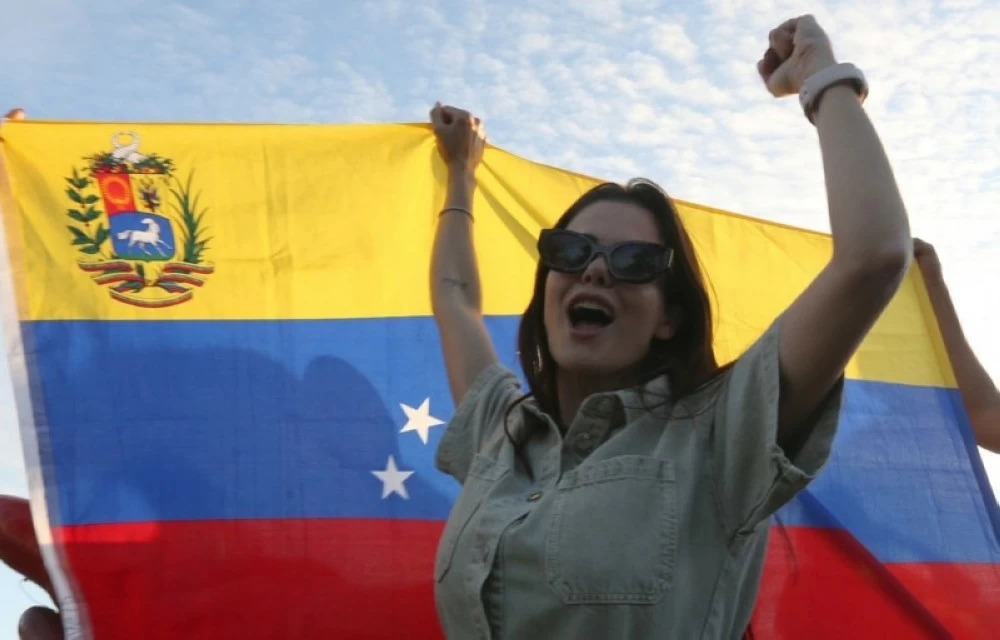
من المنتظر أن يبحث مجلس الأمن الدولي شرعية اعتقال الولايات المتحدة للرئيس الفنزويلي نيكولاس مادورو، اليوم (الإثنين)، وسط توقعات أن تواجه واشنطن انتقادات قوية من الحلفاء.
سابقة خطيرة
ويجتمع مجلس الأمن الدولي المؤلف من 15 عضواً، بعد أن ألقت قوات خاصة أمريكية القبض على مادورو، السبت، في عملية شهدت انقطاع التيار الكهربائي في أجزاء من كراكاس وقصف منشآت عسكرية. وأعلنت السلطات الفنزويلية سقوط قتلى.
واتهمت روسيا والصين وحلفاء آخرون لفنزويلا الولايات المتحدة بانتهاك القانون الدولي، لكن حلفاء الولايات المتحدة، الذين عارض الكثير منهم مادورو، كانوا أقل تعبيراً عن المخاوف بشأن استخدام القوة العسكرية.
وقال المتحدث باسم الأمين العام للأمم المتحدة إن أنطونيو غوتيريش يرى أن العملية الأمريكية تشكل «سابقة خطيرة»، فيما يؤكد عدد من الخبراء القانونيين إن الإجراء الأمريكي غير قانوني، إلا أن واشنطن ستكون قادرة على عرقلة أية محاولات من مجلس الأمن لمحاسبتها.
تذرع بالدفاع عن النفس
ودعت معظم الدول الأوروبية إلى احترام القانون الدولي دون انتقاد واشنطن على وجه التحديد، إلا أن وزير الخارجية الفرنسي جان نويل بارو قال إن الولايات المتحدة انتهكت «مبدأ عدم اللجوء إلى القوة، الذي يقوم عليه القانون الدولي».
وينص ميثاق الأمم المتحدة على أنه يتعين على الأعضاء «الامتناع في علاقاتهم الدولية عن التهديد باستخدام القوة أو استخدامها ضد وحدة الأراضي أو الاستقلال السياسي لأي دولة» ويبلغ عدد أعضاء الأمم المتحدة في الوقت الراهن 193.
واستشهد السفير الأمريكي لدى الأمم المتحدة مايك والتس أمس الأحد بالمادة 51 من ميثاق الأمم المتحدة، التي تنص على أنه «لا يجوز أن ينال شيء من الحق الأصيل في الدفاع الفردي أو الجماعي عن النفس إذا وقع هجوم مسلح ضد أحد أعضاء الأمم المتحدة».
وقال لشبكة «فوكس نيوز» «في هذه الحالة، يوجد تاجر مخدرات، زعيم غير شرعي متهم في الولايات المتحدة، ينسق مع دول مثل الصين وروسيا وإيران والجماعات الإرهابية مثل حزب الله، وينشر المخدرات والبلطجة والأسلحة في الولايات المتحدة، ويهدد بغزو جيرانها».
حق النقض الأمريكي
لكن لا يمكن لمجلس الأمن المكلف بالحفاظ على السلم والأمن الدوليين مساءلة واشنطن عن أي انتهاك. فالولايات المتحدة تتمتع بحق النقض (الفيتو)، إلى جانب روسيا والصين وبريطانيا وفرنسا، لذا يمكنها منع اتخاذ أي إجراء.
ووجهت الولايات المتحدة في 2020 اتهامات لمادورو شملت التآمر في جرائم مرتبطة بالمخدرات والإرهاب. وينفي مادورو دائما ارتكاب مخالفات.
وقالت الأستاذة في كلية الحقوق بجامعة كليفلاند ميلينا ستيريو «حتى لو كان مادورو مسؤولاً عن تهريب بعض المخدرات إلى الولايات المتحدة، فإن تهريب المخدرات لا يشكل هجوماً مسلحاً ولا يخول الولايات المتحدة استخدام القوة دفاعاً عن النفس».
وقالت إن واشنطن «لا يمكنها ممارسة الولاية القضائية خارج الحدود الإقليمية لاعتقال الأفراد في أي مكان يحلو لها».
The United Nations Security Council is expected to discuss the legality of the United States' arrest of Venezuelan President Nicolás Maduro today (Monday), amid expectations that Washington will face strong criticism from its allies.
A Dangerous Precedent
The 15-member Security Council is meeting after U.S. special forces captured Maduro on Saturday in an operation that saw power outages in parts of Caracas and shelling of military facilities. Venezuelan authorities reported casualties.
Russia, China, and other allies of Venezuela accused the United States of violating international law, but U.S. allies, many of whom opposed Maduro, were less vocal about concerns regarding the use of military force.
The spokesperson for the UN Secretary-General stated that António Guterres views the U.S. operation as a "dangerous precedent," while several legal experts assert that the U.S. action is illegal; however, Washington will be able to obstruct any attempts by the Security Council to hold it accountable.
Claim of Self-Defense
Most European countries have called for respect for international law without specifically criticizing Washington, but French Foreign Minister Jean-Yves Le Drian stated that the United States violated the "principle of non-use of force, which underpins international law."
The United Nations Charter stipulates that members must "refrain in their international relations from the threat or use of force against the territorial integrity or political independence of any state," and there are currently 193 UN member states.
U.S. Ambassador to the United Nations Mike Wallace cited Article 51 of the UN Charter yesterday, which states that "nothing in the present Charter shall impair the inherent right of individual or collective self-defense if an armed attack occurs against a Member of the United Nations."
He told Fox News, "In this case, there is a drug trafficker, an illegitimate leader wanted in the United States, who is coordinating with countries like China, Russia, and Iran, and terrorist groups like Hezbollah, spreading drugs, thuggery, and weapons in the United States, and threatening to invade its neighbors."
U.S. Veto Power
However, the Security Council, tasked with maintaining international peace and security, cannot hold Washington accountable for any violations. The United States holds veto power, along with Russia, China, Britain, and France, allowing it to block any action.
In 2020, the United States charged Maduro with conspiracy related to drug trafficking and terrorism. Maduro has always denied any wrongdoing.
Cleveland State University law professor Melina Sterio stated, "Even if Maduro is responsible for smuggling some drugs into the United States, drug trafficking does not constitute an armed attack and does not authorize the United States to use force in self-defense."
She added that Washington "cannot exercise jurisdiction beyond its territorial borders to arrest individuals wherever it pleases."