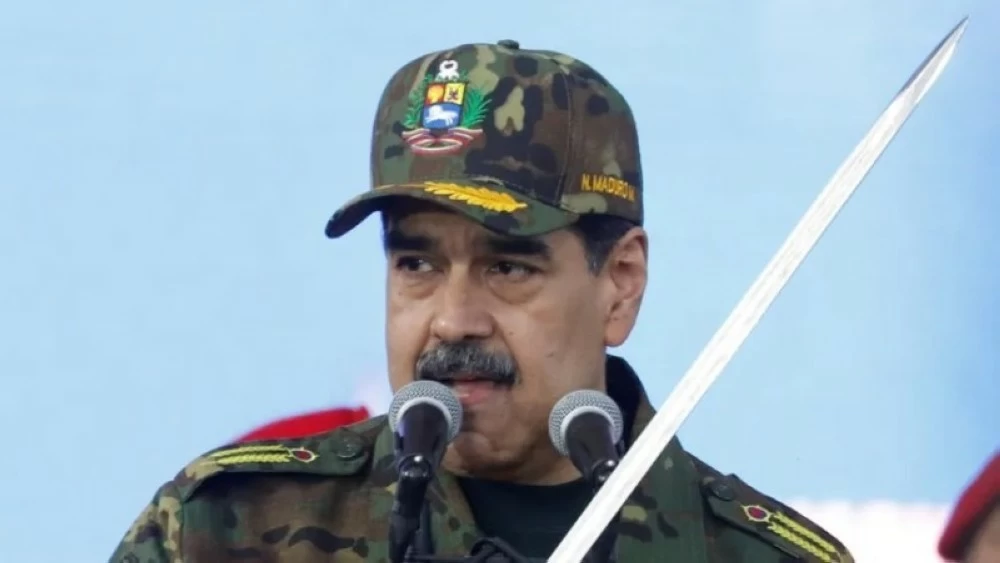
في تطور دراماتيكي غير مسبوق، بات الرئيس الفنزويلي نيكولاس مادورو وزوجته في قبضة الولايات المتحدة، بعد عملية عسسكرية خاطفة ومباغتة . وأعلن الرئيس دونالد ترمب، اليوم(السبت)، اعتقالهما بعد تنفيذ سلسلة ضربات بالتنسيق مع أجهزة إنفاذ القانون الأمريكية.
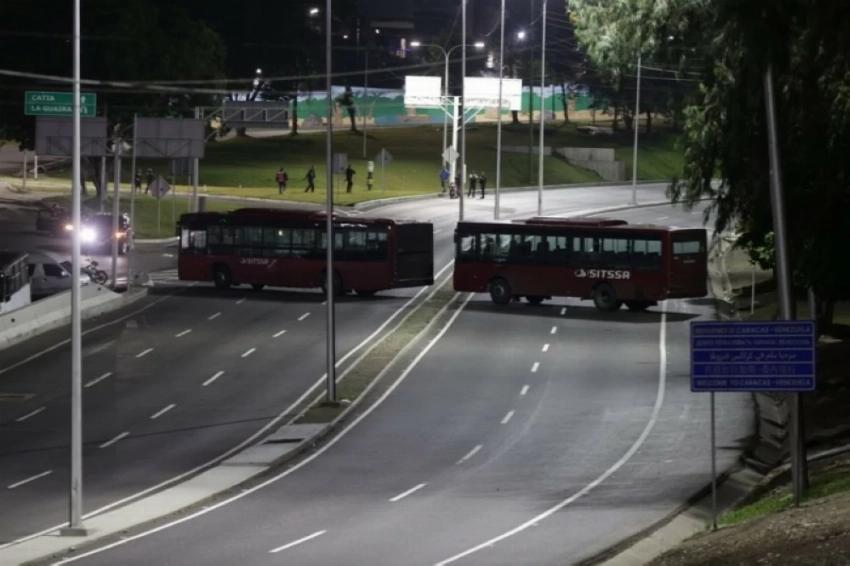
حافلتان تغلقان طريقاً في العاصمة كاراكاس عقب ضربات أمريكية. ( إ ب أ)
من سائق حافلة إلى رأس السلطة
وعلى مدى 12 عاماً من الحكم، كان يُنظر إلى مادورو بوصفه أحد أكثر الشخصيات السياسية إثارة للجدل في أمريكا اللاتينية خلال العقود الأخيرة، ليس بسبب صعوده الاستثنائي من سائق حافلة إلى رأس السلطة في قصر ميرافلوريس، بل لدوره في واحدة من أكثر المواجهات حدة بين دولة في الجنوب العالمي والولايات المتحدة في العصر الحديث.
ومع تصاعد التوترات العسكرية والسياسية مطلع العام 2026، بات مادورو في عين العاصفة الأمريكية وسط أزمة إقليمية ودولية مفتوحة، تتجاوز العقوبات الاقتصادية إلى تهديدات أمنية مباشرة وضربات عسكرية.
قاد مادورو فنزويلا في مرحلة اضطرابات اقتصادية حادة، وانقسام سياسي داخلي، وعزلة دولية متزايدة، وصدام مع واشنطن بلغ ذروته بتصنيف الولايات المتحدة له ولحكومته «منظمة إرهابية أجنبية»، واتهام كاراكاس باستخدام عائدات النفط في أنشطة غير مشروعة.
من هو مادورو؟
وُلد نيكولاس مادورو موروس في 23 نوفمبر 1962 في العاصمة كاراكاس، وعمل في بداياته سائقاً لحافلة ضمن شبكة «مترو كاراكاس»، وكان ناشطاً في نقابة النقل.
سياسياً، برز مادورو في تسعينات القرن الماضي، عندما شارك في الحملات المطالِبة بالإفراج عن هوغو تشافيز عقب محاولة الانقلاب الفاشلة عام 1992 ضد الرئيس كارلوس أندريس بيريز، قبل أن يصبح أحد المقرّبين من تشافيز ويساهم في تأسيس حزب «حركة الجمهورية الخامسة»، الذي شكّل لاحقاً العمود الفقري للسلطة في فنزويلا.
وانطلق صعود مادورو في عام 1999، وانتخب لعضوية الجمعية الوطنية التأسيسية المكلفة بصياغة دستور جديد، وفاز في انتخابات الجمعية الوطنية (البرلمان) في عام 2000، وتدرج داخل المؤسسة التشريعية حتى وصل إلى رئاستها في الفترة بين عامي 2005 و2006.
وفي عام 2006، دخل مادورو الحكومة، وزيراً للخارجية حتى عام 2013، وفي 12 أكتوبر 2012، اختاره تشافيز نائباً للرئيس، ثم أعلن في 9 ديسمبر من نفس العام، قبيل توجهه إلى إجراء عملية جراحية رابعة لاستئصال ورم سرطاني، ترشيح مادورو لخلافته في حال غيابه.
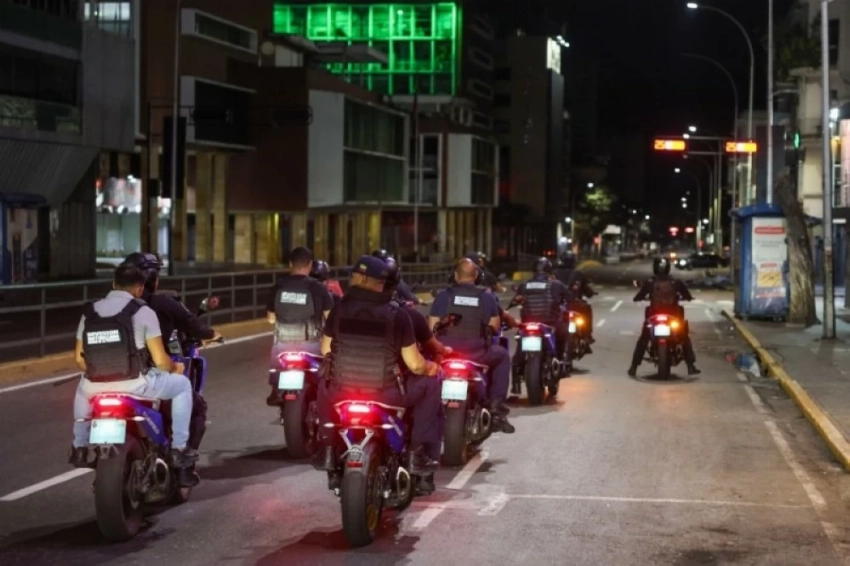
دوريات لعناصر من قوة الشرطة الوطنية في شوارع العاصمة الفنزويلية. ( إ ب أ)
رئيسا في عام 2013
بعد وفاة تشافيز، أدى مادورو اليمين رئيساً مؤقتاً في 8 مارس 2013. وخاض الانتخابات الرئاسية في 14 أبريل من العام نفسه، ليفوز بفارق ضئيل يقل عن نقطتين مئويتين وسط مطالبة منافسه هنريكي كابريليس، بإعادة الفرز، التي قضت المحكمة العليا بعدم دستوريتها في 17 أبريل. وفي 19 أبريل أدى مادورو اليمين رئيساً للجمهورية.
بعد أشهر من توليه السلطة، اتخذ خطوات تصعيدية ضد الولايات المتحدة، فطرد في سبتمبر 2013، 3 دبلوماسيين أمريكيين، متهماً إياهم بالضلوع في انقطاع كهربائي واسع.
أزمات واحتجاجات طلابية
شهد حكم مادورو في بداياته احتجاجات طلابية خصوصاً العام 2014، وانشغلت الأوساط الدولية بالاحتجاجات بعد سقوط 3 أشخاص، وسط تدهور اجتماعي واقتصادي كبير.
وفي 20 فبراير، ألغت فنزويلا تصاريح عمل مراسلي شبكة CNN ورفضت إصدارها لمراسلين جدد بعد تهديد مادورو بطرد الشبكة إذا لم «تُصحح» تغطيتها، متهماً إياها بخوض «دعاية حرب». وبعد يومين، أعادت السلطات إصدار التصاريح.
في 15 يناير 2016، أعلن مادورو حالة الطوارئ الاقتصادية بعد نشر بيانات اقتصادية متأخرة لسنوات. ثم وسع الإجراءات بإعلان حالة طوارئ دستورية في 13 مايو من العام نفسه.
وفي 30 أكتوبر 2016، شارك للمرة الأولى في محادثات مع المعارضة الفنزويلية. وفي 1 مايو 2017، أعلن توقيعه مرسوماً يمهد لتعديلات دستورية تعيد تشكيل السلطة التشريعية وتوسع صلاحياته.
وفي 30 يوليو، أجريت انتخابات لاستبدال الجمعية الوطنية بهيئة تشريعية جديدة موالية له تسمى «الجمعية التأسيسية»، وسط اشتباكات بين المتظاهرين وقوات الأمن أودت بحياة 6 أشخاص. وفي اليوم التالي فرضت وزارة الخزانة الأميركية، عقوبات على مادورو، وحظرت على الأمريكيين التعامل معه.
اتهامات بالإرهاب والمخدرات
وأعلن مادورو في أبريل 2019، إحباط محاولة للانقلاب عليه، شارك فيها، على حد قوله الرئيس الأمريكي دونالد ترمب ومستشاره للأمن القومي آنذاك، جون بولتون، وأعلن وزير الخارجية الأمريكي حينها مايك بومبيو، أن مادورو كان يستعد لمغادرة البلاد قبل أن تثنيه روسيا عن قراره.
ووجهت وزارة العدل الأمريكية في عام 2020، اتهامات بالإرهاب المرتبط بالمخدرات وجرائم أخرى، إلى مادورو وعدد من كبار مسؤولي حكومته، متهمة إياهم بقيادة عصابة «كارتل دي لوس سولس» والتعاون مع حركة «القوات المسلحة الثورية الكولومبية» (فارك) لتهريب الكوكايين.
و«كارتل دي لوس سوليس» أو «كارتل الشموس» ليس تنظيماً فعلياً ولا كارتلاً قائماً بذاته، بل هو مصطلح يُستخدم في فنزويلا للإشارة إلى كبار الضباط العسكريين الذين اتهموا بجمع ثروات طائلة من خلال تهريب المخدرات.
وقبل نحو عام وفي يناير 2025، أدى مادورو اليمين لولاية رئاسية ثالثة، وسط جدل دولي واسع وانتقادات أمريكية على خلفية نتائج الانتخابات.
In an unprecedented dramatic development, Venezuelan President Nicolas Maduro and his wife have fallen into the hands of the United States, following a swift and surprise military operation. President Donald Trump announced today (Saturday) their arrest after executing a series of strikes in coordination with U.S. law enforcement agencies.
حافلتان تغلقان طريقاً في العاصمة كاراكاس عقب ضربات أمريكية. ( إ ب أ)
From Bus Driver to Head of State
For 12 years in power, Maduro has been viewed as one of the most controversial political figures in Latin America in recent decades, not only due to his extraordinary rise from a bus driver to the head of power in the Miraflores Palace but also for his role in one of the most intense confrontations between a state in the Global South and the United States in modern times.
With the escalation of military and political tensions at the beginning of 2026, Maduro found himself at the center of the American storm amid an open regional and international crisis, extending beyond economic sanctions to direct security threats and military strikes.
Maduro led Venezuela during a period of severe economic turmoil, internal political division, increasing international isolation, and a confrontation with Washington that peaked with the U.S. designating him and his government as a "foreign terrorist organization," accusing Caracas of using oil revenues for illicit activities.
Who is Maduro?
Nicolas Maduro Moros was born on November 23, 1962, in the capital Caracas, and in his early days worked as a bus driver within the "Metro Caracas" network, being an active member of the transport union.
Politically, Maduro emerged in the 1990s when he participated in campaigns demanding the release of Hugo Chavez following the failed coup attempt in 1992 against President Carlos Andrés Pérez, before becoming one of Chavez's close associates and contributing to the founding of the "Fifth Republic Movement," which later formed the backbone of power in Venezuela.
Maduro's rise began in 1999 when he was elected to the Constituent National Assembly tasked with drafting a new constitution. He won the National Assembly (parliament) elections in 2000 and progressed within the legislative body until he became its president between 2005 and 2006.
In 2006, Maduro entered the government as Minister of Foreign Affairs until 2013. On October 12, 2012, Chavez appointed him as Vice President, then announced on December 9 of the same year, just before undergoing a fourth surgery to remove a cancerous tumor, Maduro's candidacy for succession in case of his absence.
دوريات لعناصر من قوة الشرطة الوطنية في شوارع العاصمة الفنزويلية. ( إ ب أ)
President in 2013
After Chavez's death, Maduro took the oath as interim president on March 8, 2013. He ran in the presidential elections on April 14 of the same year, winning by a narrow margin of less than two percentage points amid calls from his opponent Henrique Capriles for a recount, which the Supreme Court ruled unconstitutional on April 17. On April 19, Maduro took the oath as President of the Republic.
Months after assuming power, he took escalatory steps against the United States, expelling three American diplomats in September 2013, accusing them of involvement in a widespread power outage.
Crises and Student Protests
Maduro's rule witnessed student protests, especially in 2014, drawing international attention after the deaths of three people amid significant social and economic deterioration.
On February 20, Venezuela revoked the work permits of CNN reporters and refused to issue them to new reporters after Maduro threatened to expel the network if it did not "correct" its coverage, accusing it of engaging in "war propaganda." Two days later, authorities reinstated the permits.
On January 15, 2016, Maduro declared a state of economic emergency after publishing delayed economic data for years. He then expanded the measures by declaring a constitutional state of emergency on May 13 of the same year.
On October 30, 2016, he participated for the first time in talks with the Venezuelan opposition. On May 1, 2017, he announced signing a decree paving the way for constitutional amendments that would reshape the legislative authority and expand his powers.
On July 30, elections were held to replace the National Assembly with a new pro-Maduro legislative body called the "Constituent Assembly," amid clashes between protesters and security forces that resulted in the deaths of six people. The following day, the U.S. Treasury imposed sanctions on Maduro, prohibiting Americans from dealing with him.
Accusations of Terrorism and Drug Trafficking
In April 2019, Maduro announced the thwarting of an attempted coup against him, which he claimed involved U.S. President Donald Trump and his then National Security Advisor, John Bolton. U.S. Secretary of State Mike Pompeo at the time stated that Maduro was preparing to leave the country before being dissuaded by Russia.
In 2020, the U.S. Department of Justice charged Maduro and several senior officials in his government with drug-related terrorism and other crimes, accusing them of leading the "Cartel de los Soles" and collaborating with the Revolutionary Armed Forces of Colombia (FARC) to traffic cocaine.
The "Cartel de los Soles" or "Suns Cartel" is not an actual organization or a standalone cartel but a term used in Venezuela to refer to senior military officers accused of amassing vast fortunes through drug trafficking.
About a year ago, in January 2025, Maduro took the oath for a third presidential term amid widespread international controversy and American criticism regarding the election results.