بعد نحو 24 ساعة من إعلان الحكومة استعدادها للحوار مع المتظاهرين، حذر المدعي العام الإيراني محمد كاظم موحدي آزاد من أن القضاء سيتصدى بصورة حاسمة للمظاهرات ضد غلاء المعيشة في حال تم استغلالها من أجل زعزعة الاستقرار.
تنفيذ سيناريوهات خارجية
وقال آزاد في تصريحات نقلها التلفزيون الرسمي، اليوم (الأربعاء): من وجهة نظر السلطة القضائية، فإن المظاهرات السلمية حول كلفة المعيشة جزء من الواقع الاجتماعي الذي يمكن تفهمه، محذراً من أن أية محاولة لتحويل الاحتجاجات الاقتصادية إلى أداة لزعزعة الاستقرار وتدمير أملاك عامة أو تنفيذ سيناريوهات أعدت في الخارج وأنها ستقابل حتماً برد قانوني متناسب وحاسم.
وتمددت رقعة الاحتجاجات ضد غلاء المعيشة وتدهور الأوضاع الاقتصادية مع انضمام طلاب جامعيين إلى التحرّك الذي بدأه التجار في العاصمة طهران، في وقت دعا الرئيس الإيراني مسعود بزشكيان إلى الإنصات إلى المطالب المشروعة للمتظاهرين.
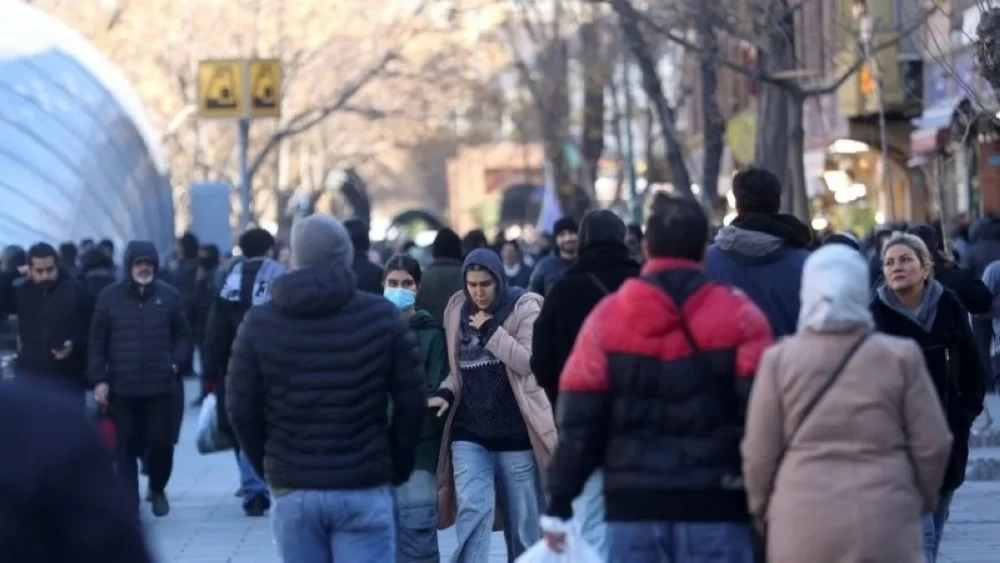
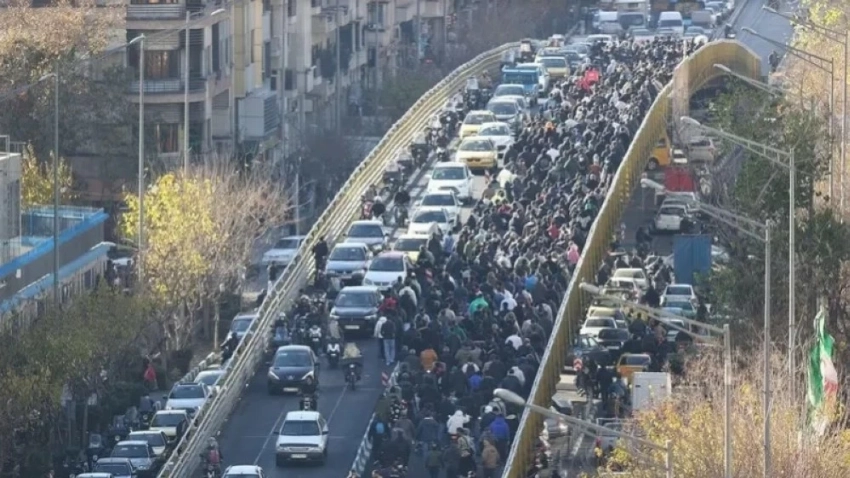
من الاحتجاجات في إيران.
تظاهر طلاب 10 جامعات
وفي ثالث أيام المظاهرات، أمس (الثلاثاء)، تظاهر طلاب في 10 جامعات على الأقل في البلاد، تقع 7 منها في طهران،. وتأثرت مؤسسات أخرى في أصفهان، ويزد، وزنجان، بحسب ما أعلنت وكالة أنباء «إيلنا» المقربة من الأوساط العمالية، ووكالة أنباء «إرنا» الحكومية.
وانتشرت قوات الأمن وشرطة مكافحة الشغب عند التقاطعات الرئيسية في طهران وحول بعض الجامعات، وأعادت بعض المتاجر فتح أبوابها بعد أن أُغلقت في اليوم السابق في وسط المدينة.
وأغلق أصحاب متاجر محلاتهم احتجاجاً على التدهور الاقتصادي الذي تفاقم بسبب الانخفاض السريع في قيمة العملة الوطنية في ظل العقوبات الغربية على إيران.
وبدأت المظاهرات، الأحد، في أكبر أسواق الهواتف المحمولة في طهران، قبل أن يتسع نطاقها، إلا أن عدد المتظاهرين لا يزال محدوداً ومحصوراً ضمن نطاق وسط العاصمة، حيث يوجد عدد كبير من المتاجر.
حوار حول المطالب المشروعة
وكان الرئيس بزشكيان قال عبر منصة إكس، إنه طلب من وزير الداخلية الاستماع إلى مطالب المحتجين المشروعة من خلال الحوار مع ممثليهم، حتى تتمكن الحكومة من التصرف بمسؤولية وبكل ما أوتيت من قوة لحل المشكلات والاستجابة لها، بحسب وكالة «إرنا».
وأفادت وكالة «مهر» أن بزشكيان التقى، أمس (الثلاثاء)، مسؤولين نقابيين واقترح عدداً من الإجراءات الضريبية يُفترض أن تساعد الشركات لمدة عام.
وأعلنت وسائل إعلام رسمية، الثلاثاء، إغلاق المدارس والبنوك والمؤسسات العامة في طهران ومعظم أنحاء البلاد، بقرار من السلطات بسبب برودة الطقس وترشيد استهلاك الطاقة، من دون ربط ذلك بالاحتجاجات.
وسجّل الريال الإيراني مستوى قياسياً جديداً مقابل الدولار، وفقاً لسعر السوق السوداء غير الرسمي، إذ بلغ سعر الدولار الواحد أكثر من 1.4 مليون ريال (مقارنة بـ820 ألف ريال قبل عام).
ويتسبب الانخفاض المستمر في قيمة العملة بتضخّم كبير وتقلّبات عالية في الأسعار، إذ ترتفع بعض الأسعار بشكل حاد من يوم لآخر.
About 24 hours after the government announced its readiness to engage in dialogue with the protesters, Iranian Attorney General Mohammad Kazem Mohammadi Azad warned that the judiciary would decisively confront demonstrations against the high cost of living if they were exploited to undermine stability.
Implementing External Scenarios
Azad stated in remarks broadcast by state television today (Wednesday): From the perspective of the judiciary, peaceful protests regarding the cost of living are part of the social reality that can be understood, warning that any attempt to turn economic protests into a tool for destabilization and the destruction of public property or to implement scenarios prepared abroad will inevitably be met with a proportional and decisive legal response.
The protests against the high cost of living and the deterioration of economic conditions have expanded with university students joining the movement initiated by merchants in the capital, Tehran, at a time when Iranian President Masoud Bezhakian called for listening to the legitimate demands of the protesters.
من الاحتجاجات في إيران.
Students from 10 Universities Protest
On the third day of the protests, yesterday (Tuesday), students demonstrated at least in 10 universities across the country, seven of which are located in Tehran. Other institutions in Isfahan, Yazd, and Zanjan were also affected, according to reports from the labor-affiliated news agency "ILNA" and the government news agency "IRNA."
Security forces and riot police were deployed at major intersections in Tehran and around some universities, and some shops reopened after being closed the previous day in the city center.
Shop owners closed their stores in protest against the economic decline exacerbated by the rapid depreciation of the national currency amid Western sanctions on Iran.
The protests began on Sunday in the largest mobile phone markets in Tehran before expanding, but the number of demonstrators remains limited and confined to the central area of the capital, where there are many shops.
Dialogue on Legitimate Demands
President Bezhakian stated via the X platform that he had asked the Minister of Interior to listen to the legitimate demands of the protesters through dialogue with their representatives, so that the government could act responsibly and with all its strength to address and respond to the issues, according to the "IRNA" agency.
The "Mehr" agency reported that Bezhakian met with union officials yesterday (Tuesday) and proposed a number of tax measures intended to assist businesses for a year.
Official media announced on Tuesday the closure of schools, banks, and public institutions in Tehran and most parts of the country, by order of the authorities due to cold weather and energy consumption rationalization, without linking it to the protests.
The Iranian rial recorded a new record low against the dollar, according to the unofficial black market rate, with the price of one dollar exceeding 1.4 million rials (compared to 820,000 rials a year ago).
The continuous decline in the value of the currency is causing significant inflation and high price volatility, with some prices sharply rising from one day to the next.