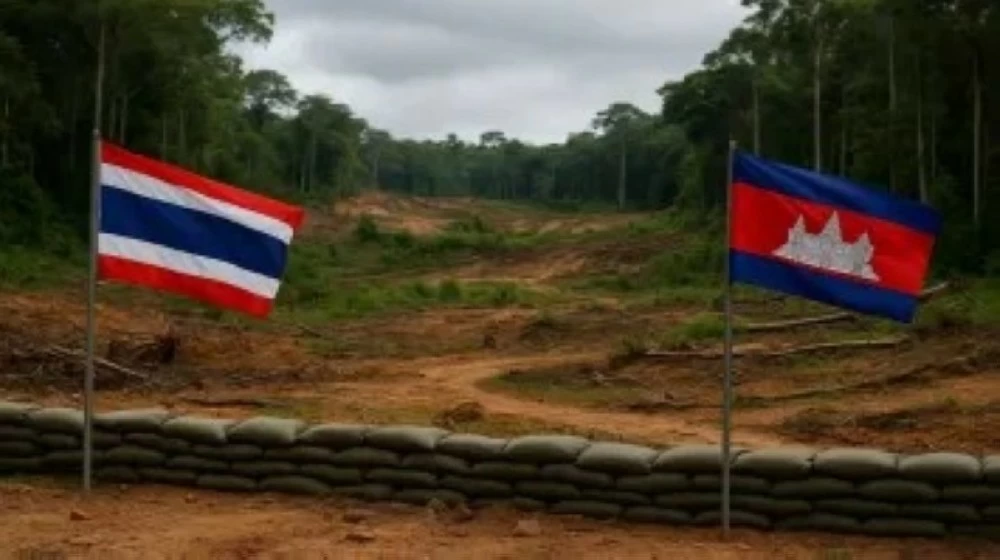
بعد أيام من الترقّب والخوف الذي خيّم على القرى الحدودية، تنفّس سكان المناطق المتنازع عليها بين تايلند وكمبوديا الصعداء، مع إعلانٍ رسمي أعاد الأمل بعودة الهدوء إلى واحدة من أكثر المناطق توترًا في جنوب شرق آسيا.
وأعلنت وزارة الدفاع الكمبودية، أن تايلند وكمبوديا وقعتا، اليوم السبت، اتفاقًا جديدًا لوقف إطلاق النار، عقب ثلاثة أيام من المحادثات المكثفة بين الجارتين، اللتين شهدت حدودهما اشتباكات عنيفة استمرت لأسابيع.
ويأتي الاتفاق في ظل نزاع تاريخي بين البلدين حول السيادة على مناطق حدودية تضم معابد أثرية تعود إلى إمبراطورية الخمير، وتمتد على طول حدود مشتركة يبلغ طولها نحو 800 كيلومتر، ظلت لسنوات مصدر توتر متكرر بين الجانبين.
وكان الطرفان قد توصلا، في نهاية أكتوبر الماضي، إلى اتفاق مماثل لوقف إطلاق النار في العاصمة الماليزية كوالالمبور، برعاية الرئيس الأمريكي دونالد ترمب، إلا أن الاتفاق تعثّر بعد أسابيع، عقب حادثة أمنية أدت إلى إصابة عدد من الجنود التايلنديين، ما دفع بانكوك إلى تعليق التزامها بالهدنة آنذاك.
ويرى مراقبون أن الاتفاق الجديد يمثل فرصة نادرة لخفض التصعيد، وفتح باب الحوار مجددًا، أملاً في أن تنهي الدبلوماسية نزاعًا طال أمده، وأن تعيد الطمأنينة لسكان المناطق الحدودية الذين دفعوا ثمن التوتر لسنوات.
After days of anticipation and fear that loomed over the border villages, residents of the disputed areas between Thailand and Cambodia breathed a sigh of relief, with an official announcement that restored hope for the return of calm to one of the most tense regions in Southeast Asia.
The Cambodian Ministry of Defense announced that Thailand and Cambodia signed a new ceasefire agreement today, Saturday, following three days of intensive talks between the two neighbors, whose borders have witnessed violent clashes that lasted for weeks.
The agreement comes amid a historical dispute between the two countries over sovereignty over border areas that include ancient temples dating back to the Khmer Empire, extending along a shared border of approximately 800 kilometers, which has been a recurring source of tension between the two sides for years.
The two parties had reached a similar ceasefire agreement at the end of last October in the Malaysian capital, Kuala Lumpur, under the auspices of U.S. President Donald Trump, but the agreement faltered after weeks due to a security incident that injured several Thai soldiers, prompting Bangkok to suspend its commitment to the truce at that time.
Observers see the new agreement as a rare opportunity to de-escalate tensions and reopen the door for dialogue, hoping that diplomacy will end a prolonged conflict and restore reassurance to the residents of the border areas who have paid the price of tension for years.