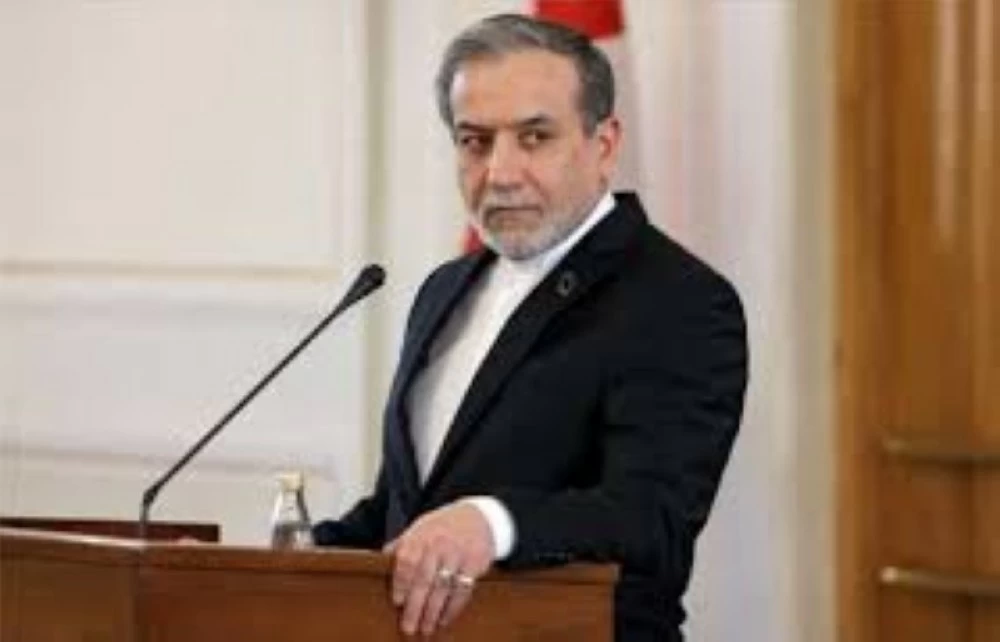
اعترف وزير الخارجية الإيراني عباس عراقجي بتضرر المنشآت النووية بشكل كبير جراء القصف الأمريكي الذي استهدفها في يونيو الماضي، إلا أنه أفاد بأن «التقنيات النووية» لا تزال حاضرة.
تواصل مع المبعوث الأمريكي
وقال عراقجي في تصريحات إعلامية إنه كان على تواصل مباشر مع المبعوث الأمريكي الخاص ستيف ويتكوف للتفاوض بشأن البرنامج النووي قبل أشهر من الضربات.
وكان وزير الخارجية الأمريكي ماركو روبيو اعتبر أن مشكلة بلاده مع إيران في المرتبة الأولى تكمن في رغبتها بالحصول على سلاح نووي.
ولفت روبيو إلى أن هذه المشكلة ليست الوحيدة.
وكانت طهران أكدت مراراً أنها لا تسعى للحصول على سلاح نووي، لكنها رفضت منعها من الحصول على المعرفة النووية وتخصيب اليورانيوم من أجل أهداف سلمية.
تطوير الصواريخ الباليستية
وكرر الرئيس الإيراني مسعود بزشكيان التأكيد بأن بلاده لا تسعى للحصول على أسلحة نووية. واعتبر أن مطالبة بلاده بالتخلي عن تطوير الصواريخ الباليستية أمر غير مقبول، خصوصاً بعد الهجوم الذي شنته إسرائيل في يونيو الماضي في حرب الـ12 يوماً.
وقال: «صرّحنا مراراً وتكراراً بأننا لا نسعى لامتلاك قنبلة نووية، وأننا على استعداد لأي عملية تحقق من قبل الوكالة الذرية». وشدد على أن طهران تسعى إلى السلام، لكنها لن تقبل بالتسلط، وفق قوله.
عودة مفتشي الوكالة
وكانت الوكالة الدولية للطاقة الذرية أعلنت في تقارير أن تخصيب اليورانيوم في إيران الذي جاوز ما نسبته 65% اقترب من درجة الحصول على القنبلة النووية. وطالبت بعودة مفتشيها إلى إيران، بعدما أوقفت السلطات الإيرانية التعامل مع الوكالة منذ يوليو الماضي، أي بعد شهر واحد من انتهاء الحرب الإسرائيلية.
وأجرت واشنطن وطهران 5 جولات من المفاوضات من أجل العودة إلى الاتفاق النووي، إلا أنه فيما كان الوفد الإيراني يستعد إلى جولة سادسة شنت إسرائيل غارات على مواقع نووية وعسكرية إيرانية، والتحقت بها في ما بعد الولايات المتحدة.
Iranian Foreign Minister Abbas Araghchi acknowledged that the nuclear facilities were significantly damaged due to the American bombing that targeted them last June, but he stated that "nuclear technologies" are still present.
Contact with the American envoy
Araghchi said in media statements that he had been in direct contact with the U.S. special envoy Steve Wittekov to negotiate regarding the nuclear program months before the strikes.
U.S. Secretary of State Marco Rubio considered that his country's primary problem with Iran lies in its desire to acquire nuclear weapons.
Rubio pointed out that this issue is not the only one.
Tehran has repeatedly confirmed that it does not seek to acquire nuclear weapons, but it has rejected being prevented from obtaining nuclear knowledge and enriching uranium for peaceful purposes.
Development of ballistic missiles
Iranian President Masoud Bezhakian reiterated that his country does not seek to acquire nuclear weapons. He considered that his country's demand to abandon the development of ballistic missiles is unacceptable, especially after the attack launched by Israel last June during the 12-day war.
He said: "We have repeatedly stated that we do not seek to possess a nuclear bomb, and we are ready for any verification process by the atomic agency." He emphasized that Tehran seeks peace, but it will not accept domination, according to him.
Return of agency inspectors
The International Atomic Energy Agency announced in reports that uranium enrichment in Iran, which exceeded 65%, has approached the level required for obtaining a nuclear bomb. It called for the return of its inspectors to Iran, after Iranian authorities halted dealings with the agency since last July, one month after the end of the Israeli war.
Washington and Tehran held five rounds of negotiations to return to the nuclear agreement, but while the Iranian delegation was preparing for a sixth round, Israel launched airstrikes on Iranian nuclear and military sites, followed later by the United States.