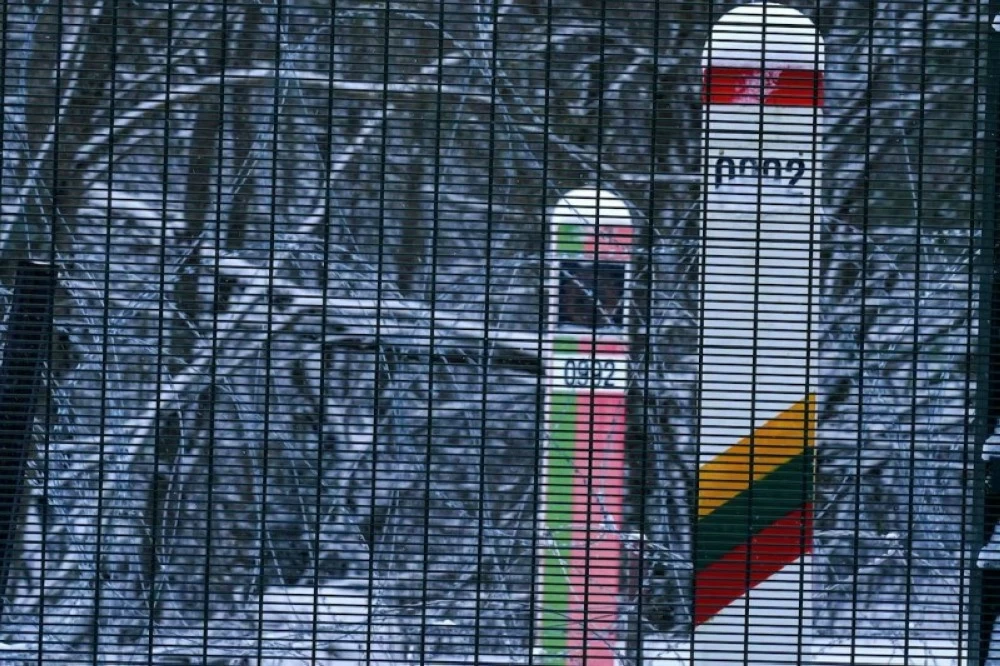
أعلنت حكومة ليتوانيا، اليوم (الثلاثاء) إعلان حالة الطوارئ الوطنية على الحدود مع بيلاروسيا، ردّاً على غزو متكرر لبالونات إنذار جوي تُستخدم في تهريب السجائر، والتي أدّت إلى إغلاق مطار فيلنيوس الدولي لأكثر من 60 ساعة منذ أكتوبر الماضي، مما أثر على 350 رحلة جوية و51 ألف مسافر.
طوارئ في ليتوانيا بسبب بيلاروسيا
وطالبت الحكومة البرلمان بمنح الجيش صلاحيات واسعة للتعاون مع الشرطة والحرس الحدودي في مواجهة ما وصفته بـ«هجوم هجين» من قبل الدولة الحليفة لروسيا، وفي اجتماع حكومي بثّ مباشرة، قال وزير الداخلية فلاديسلاف كوندراتوفيتش: «إعلان حالة الطوارئ ليس بسبب تعطيل الطيران المدني فحسب، بل أيضاً لحماية المصالح الأمنية الوطنية».
وأوضح وزير الداخلية الليتواني، أن البالونات التي تحمل حمولات تصل إلى 10 كيلومترات ارتفاعاً، تشكّل خطراً على السلامة الجوية والأرواح، وأن السلطات الليتوانية أطلقت تحقيقاً جنائياً للكشف عن صلاتها بنظام مينسك، مشيراً إلى عدم وجود جهود بيلاروسية لوقف المرسِلين.
مطالبات بتوسيع صلاحيات الجيش
وتطالب الحكومة البرلمان بتوسيع صلاحيات الجيش، الذي سيُسمح له بالعمل مع الشرطة والحرس الحدودي أو بشكل مستقل، بما في ذلك تقييد الوصول إلى المناطق الحدودية، وتفتيش المركبات والأشخاص ووثائقهم وأمتعتهم، واعتقال المشتبه بهم أو المقاومين، مع الحق في استخدام القوة إذا لزم الأمر، كما أكد وزير الدفاع روبرتاس كاوناس. وستستمر الإجراءات حتى يُلغيها مجلس الوزراء، مع التأكيد على أن التأثير على المدنيين سيكون محدوداً.
بيلاروسيا تنفي
وتنفي بيلاروسيا، التي سمحت سابقاً باستخدام أراضيها كقاعدة للغزو الروسي لأوكرانيا عام 2022، مسؤوليتها عن البالونات، وتتهم ليتوانيا بالاستفزازات مثل إرسال طائرة بدون طيار لإلقاء «مواد متطرفة»، وهو اتهام نفت فيلنيوس صحته.
ووصف الرئيس البيلاروسي ألكسندر لوكاشينكو إغلاق الحدود الليتواني في أكتوبر الماضي بأنه «احتيال مجنون» وجزء من «حرب هجينة» ضد بلاده.
توترات حدودية
ويأتي هذا التصعيد في سياق توترات حدودية متكررة، حيث أعلنت ليتوانيا حالة طوارئ في منطقة الحدود عام 2021 بسبب حملة بيلاروسية لدفع آلاف المهاجرين غير الشرعيين عبر الحدود، وفي 2022 بعد الغزو الروسي لأوكرانيا خوفاً من أن تصبح هدفاً.
وفي 1 ديسمبر، حذّرت رئيسة المفوّضية الأوروبية أورسولا فون دير لاين من «تفاقم الوضع على الحدود»، واصفة البالونات بأنها «هجوم هجين غير مقبول تماماً» من بيلاروسيا، ودعت إلى تعزيز الدعم الأوروبي والناتو، لكن الخبراء يشيرون إلى صعوبة إسقاط البالونات عند ارتفاعاتها باستخدام الطائرات بدون طيار أو أدوات حركية أخرى، إذ لا تملك أي دولة حلاً جاهزاً حتى الآن.
وأكّد مسؤولون ليتوانيون أن البالونات ليست مجرّد أداة تهريب، بل عمل مقصود لتعطيل الاقتصاد والأمن، مشدّدين على ضرورة الرصد المستمر والتعاون الدولي لمواجهة هذه «الحرب غير التقليدية» التي قد تمتد إلى دول بالتية أخرى مثل لاتفيا، حيث سُجّلت حوادث مشابهة مؤخراً.
The Lithuanian government announced today (Tuesday) a national state of emergency at the border with Belarus, in response to repeated incursions by warning balloons used in cigarette smuggling, which have led to the closure of Vilnius International Airport for more than 60 hours since last October, affecting 350 flights and 51,000 passengers.
Emergency in Lithuania Due to Belarus
The government has requested parliament to grant the military broad powers to cooperate with the police and border guards in facing what it described as a "hybrid attack" from the Russia-aligned state. In a government meeting broadcast live, Interior Minister Vladislav Kondratovich stated: "The declaration of a state of emergency is not only due to the disruption of civil aviation, but also to protect national security interests."
The Lithuanian Interior Minister explained that the balloons, which carry payloads up to 10 kilometers high, pose a danger to air safety and lives, and that Lithuanian authorities have launched a criminal investigation to uncover their connections to the Minsk regime, noting the lack of Belarusian efforts to stop the senders.
Calls to Expand Military Powers
The government is urging parliament to expand the military's powers, which will be allowed to work with the police and border guards or independently, including restricting access to border areas, inspecting vehicles, individuals, their documents and luggage, and detaining suspects or resistors, with the right to use force if necessary, as confirmed by Defense Minister Robertas Kownas. The measures will continue until revoked by the Cabinet, with an emphasis that the impact on civilians will be limited.
Belarus Denies Responsibility
Belarus, which previously allowed its territory to be used as a base for the Russian invasion of Ukraine in 2022, denies responsibility for the balloons and accuses Lithuania of provocations such as sending a drone to drop "extremist materials," an accusation Vilnius has denied.
Belarusian President Alexander Lukashenko described the Lithuanian border closure last October as "mad fraud" and part of a "hybrid war" against his country.
Border Tensions
This escalation comes amid recurring border tensions, as Lithuania declared a state of emergency in the border area in 2021 due to a Belarusian campaign to push thousands of illegal migrants across the border, and again in 2022 after the Russian invasion of Ukraine, fearing it would become a target.
On December 1, European Commission President Ursula von der Leyen warned of "deteriorating conditions at the border," describing the balloons as "an entirely unacceptable hybrid attack" from Belarus, and called for increased European and NATO support. However, experts point out the difficulty of shooting down the balloons at their altitudes using drones or other kinetic means, as no country has a ready solution yet.
Lithuanian officials have confirmed that the balloons are not merely a smuggling tool but a deliberate act to disrupt the economy and security, emphasizing the need for continuous monitoring and international cooperation to confront this "unconventional war" that could extend to other Baltic states like Latvia, where similar incidents have been recorded recently.