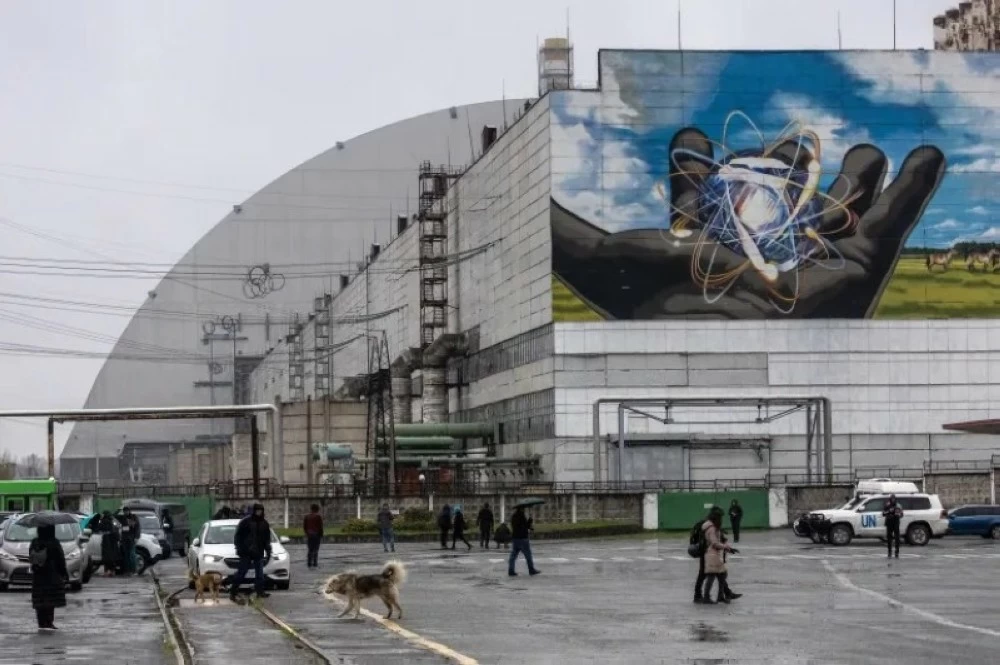
حذّرت الوكالة الدولية للطاقة الذرية من تدهور هيكل الحماية لمفاعل تشرنوبل النووي في أوكرانيا، والذي أُنشئ بعد كارثة عام 1986 لاحتواء المواد المشعة، بعد تعرضه لأضرار ناجمة عن طائرة مسيرة في فبراير الماضي.
وأوضح المدير العام للوكالة رافائيل غروسي أن تفتيشًا حديثًا كشف أن الجدار الفولاذي المكتمل عام 2019، فقد بعض وظائف السلامة الأساسية، بما في ذلك القدرة على الاحتواء الكامل للمواد المشعة. وأضاف غروسي أن الهيكل الحامل وأنظمة المراقبة لم تتعرض لأضرار دائمة، وأن عمليات إصلاح محدودة جرت، إلا أن ترميمًا شاملاً لا يزال ضروريًا لضمان السلامة النووية على المدى الطويل.
وكانت السلطات الأوكرانية قد أكدت أن الطائرة المسيرة كانت مزودة برأس حربي شديد الانفجار وألحقت أضرارًا بالكسوة الواقية لمفاعل رقم 4، فيما نفت موسكو ضلوعها في الهجوم. وعلى الرغم من الحادثة، لم تُسجّل أي زيادة في مستويات الإشعاع أو تسرب نووي، بحسب الوكالة الدولية.
وتعد محطة تشرنوبل رمزًا كارثيًا في التاريخ النووي، بعد انفجار مفاعلها عام 1986 الذي أدى إلى انتشار الإشعاع عبر أنحاء أوروبا وإغلاق آخر مفاعل في المحطة عام 2000.
وتواصل الوكالة الدولية للطاقة الذرية متابعة الوضع عن كثب، مع إجراء مسوحات شاملة لمحطات الكهرباء الفرعية في أوكرانيا لتقييم أضرار الحرب الممتدة قرابة 4 سنوات على البنية التحتية النووية والكهربائية.
The International Atomic Energy Agency has warned of the deterioration of the protective structure of the Chernobyl nuclear reactor in Ukraine, which was built after the 1986 disaster to contain radioactive materials, following damage caused by a drone in February.
The agency's director general, Rafael Grossi, explained that a recent inspection revealed that the steel wall completed in 2019 has lost some essential safety functions, including the ability to fully contain radioactive materials. Grossi added that the supporting structure and monitoring systems have not suffered permanent damage, and limited repairs have been carried out, but comprehensive restoration is still necessary to ensure long-term nuclear safety.
Ukrainian authorities confirmed that the drone was equipped with a high-explosive warhead and caused damage to the protective cladding of Reactor No. 4, while Moscow denied any involvement in the attack. Despite the incident, no increase in radiation levels or nuclear leakage has been recorded, according to the agency.
The Chernobyl plant is a catastrophic symbol in nuclear history, following the explosion of its reactor in 1986, which led to the spread of radiation across Europe and the closure of the last reactor at the site in 2000.
The International Atomic Energy Agency continues to closely monitor the situation, conducting comprehensive surveys of the substation power plants in Ukraine to assess the damage from nearly four years of war on the nuclear and electrical infrastructure.