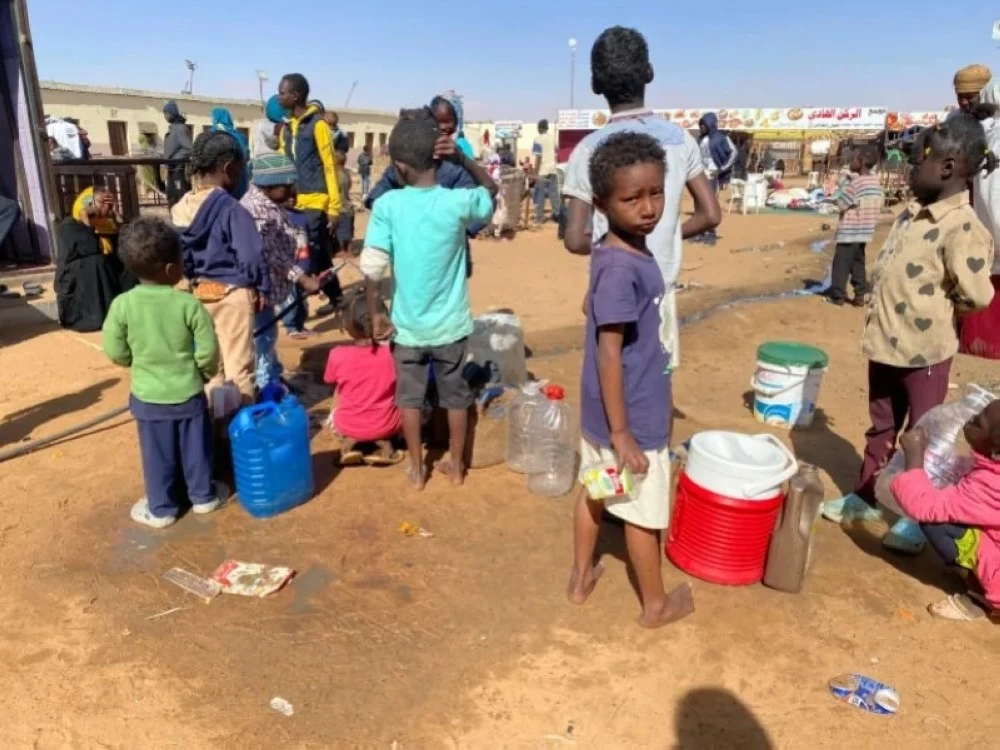
عزا مساعد الأمين العام للأمم المتحدة للشؤون الإنسانية توم فليتشر، سبب الفظاعات التي ارتُكبت في منطقة الفاشر بإقليم دارفور غرب السودان، إلى «شعور بالإفلات التام من العقاب».
وقال بعد زيارة إلى دارفور: إنه استمع «إلى الكثير من الشهود، والكثير من الناجين من هذا العنف الوحشي».
وأضاف في مقابلة مع وكالة الأنباء الفرنسية، مساء أمس (الثلاثاء)، في العاصمة التشادية نجامينا: «كانت رواياتهم مروعة. ثمة شعور بالإفلات التام من العقاب وراء هذه الفظائع. إعدامات جماعية، وعنف جنسي واسع النطاق، وتعذيب».
من جانبها، ذكرت صحيفة «لاكروا» أن المتطوعين في «غرف الطوارئ» شكلوا منذ اندلاع الحرب في السودان، شبكة دعم مدني واسعة ساعدت في إنقاذ آلاف الأرواح، رغم استمرار المعارك وتضييق السلطات العسكرية.
وأوضحت الصحيفة الفرنسية في تقرير، أن مبادرات هذه الغرف انطلقت خلال الثورة السودانية ثم توسعت مع تصاعد الحرب، لتشمل توزيع الوجبات والأدوية وتنظيم حملات تبرع بالدم ورعاية الأطفال المنقطعين عن الدراسة.
ولفتت إلى أن مطابخ التكايا التي يديرها المتطوعون ما زالت تقدم يوميا مئات الوجبات في الخرطوم، ويقول أحدهم «نعد 350 وجبة يوميا ونعمل 20 يوما في الشهر».
وفي مستشفى النو، أحد آخر المستشفيات العاملة خلال الحرب، تحمل متطوعون شباب مسؤوليات طبية تفوق أعمارهم بعد تدريب سريع لسد نقص الطواقم، إلا أن الإدارة الحكومية تقيد أنشطتهم وترفض تسجيلهم كمنظمة بسبب ارتباطهم بالثورة رغم جهودهم هذه.
وحسب التقرير، قام متطوعون آخرون بتحويل عملهم من الإغاثة الغذائية إلى التعليم المجتمعي، مثلما حدث في أم درمان حيث أنشأت ناشطات مراكز بديلة لاستقبال الأطفال المحرومين من المدرسة، ونجحن في إعادة جزء من الحياة اليومية للأطفال وتقليل أثر الحرب على سلوكهم، رغم الخوف والصدمات.
The UN Under-Secretary-General for Humanitarian Affairs, Tom Fletcher, attributed the atrocities committed in the El Fasher area of Darfur, western Sudan, to a "feeling of complete impunity."
He stated after a visit to Darfur that he listened "to many witnesses and many survivors of this brutal violence."
In an interview with Agence France-Presse yesterday evening (Tuesday) in the Chadian capital N'Djamena, he added: "Their accounts were horrifying. There is a feeling of complete impunity behind these atrocities. Mass executions, widespread sexual violence, and torture."
For its part, the newspaper "La Croix" reported that volunteers in "emergency rooms" have formed a wide civil support network since the outbreak of war in Sudan, helping to save thousands of lives, despite ongoing fighting and military authorities' restrictions.
The French newspaper explained in a report that the initiatives of these rooms began during the Sudanese revolution and then expanded with the escalation of war, including the distribution of meals and medicines, organizing blood donation campaigns, and caring for children who have dropped out of school.
It pointed out that the kitchens run by volunteers still provide hundreds of meals daily in Khartoum, with one of them saying, "We prepare 350 meals a day and work 20 days a month."
At Al-No Hospital, one of the last functioning hospitals during the war, young volunteers took on medical responsibilities beyond their ages after quick training to fill the staffing gap, but the government administration restricts their activities and refuses to register them as an organization due to their connection to the revolution despite their efforts.
According to the report, other volunteers have shifted their work from food relief to community education, as happened in Omdurman where activists established alternative centers to receive children deprived of school, successfully restoring part of the daily life for children and reducing the impact of war on their behavior, despite fear and trauma.