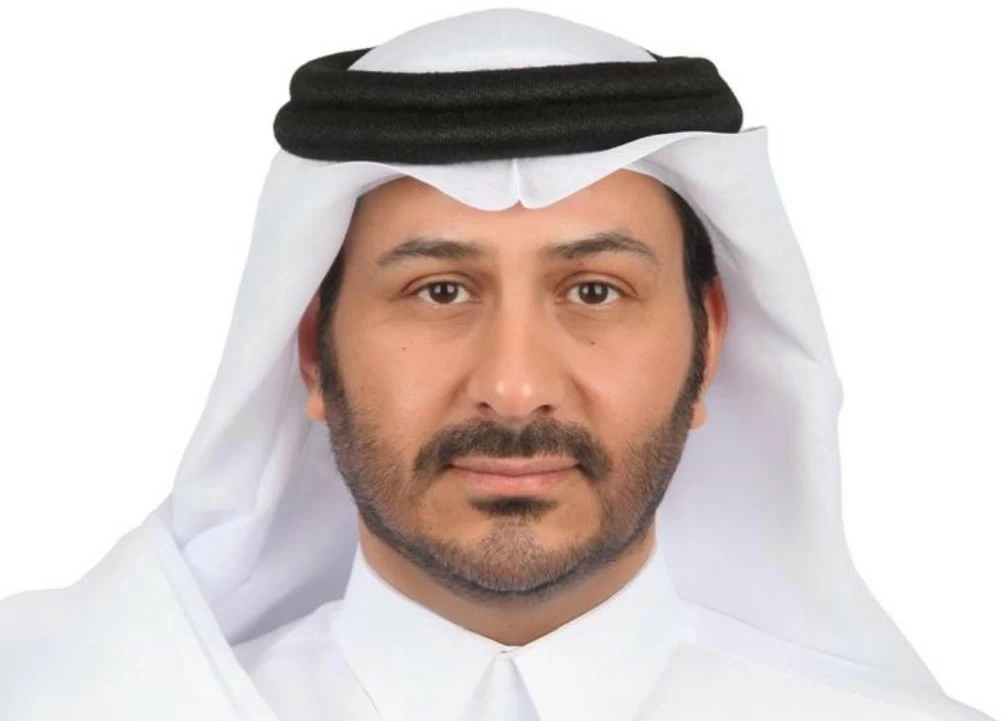
حصل الدكتور محمد بن فهد ابن مجيديع على درجة الدكتوراه في الفلسفة في علم الاجتماع الرقمي من جامعة الملك سعود، بتقدير ممتاز، عن أطروحته البينية التي جمعت بين علم الاجتماع وعلوم الحاسب بعنوان: «توظيف الذكاء الاصطناعي في تعزيز العدالة الإصلاحية».
وتناولت الدراسة تساؤلاً رئيساً حول النموذج الأمثل لتطبيق الذكاء الاصطناعي بما يسهم في تعزيز العدالة الإصلاحية في قضايا الأحوال الشخصية عبر منصة «تراضي». وانتهت إلى تقديم نموذج مقترح لروبوت دردشة ذكي يحمل اسم «صالح»، يعتمد على تقنيات الذكاء الاصطناعي التوليدي، ليعمل مساعداً لعضو المصالحة البشري، وداعماً لجهوده في إدارة عمليات الصلح.
وأوضح الباحث أن النموذج المقترح يسهم في التهدئة النفسية للمستفيدين، وجمع البيانات والمعلومات بدقة وسرعة، وتحليلها، وإعداد التقارير والتوصيات التي تساعد عضو المصالحة على اختيار أنسب الأساليب الإصلاحية، بما يعزز فرص الوصول إلى حلول توافقية أكثر فاعلية.
وأكدت نتائج الدراسة أن توظيف الذكاء الاصطناعي في أعمال المصالحة يمكن أن يسهم في رفع كفاءة الإجراءات، وتحسين تجربة المستفيدين، وتعزيز العدالة الإصلاحية، والمحافظة على تماسك الأسرة بوصفها اللبنة الأساسية للمجتمع، بما ينسجم مع مستهدفات رؤية السعودية 2030 في تطوير الخدمات العدلية، ورفع جودة الحياة، والاستفادة من التقنيات الحديثة في خدمة المجتمع.
Dr. Mohammed bin Fahd bin Mujidiya obtained a PhD in Philosophy in Digital Sociology from King Saud University, with honors, for his interdisciplinary thesis that combined sociology and computer science titled: "Utilizing Artificial Intelligence to Enhance Restorative Justice".
The study addressed a central question regarding the optimal model for applying artificial intelligence to contribute to enhancing restorative justice in personal status cases through the "Taradi" platform. It concluded by presenting a proposed model for a smart chatbot named "Saleh", which relies on generative artificial intelligence technologies to assist the human reconciliation member and support their efforts in managing reconciliation processes.
The researcher explained that the proposed model contributes to the psychological calming of beneficiaries, accurately and quickly gathering data and information, analyzing it, and preparing reports and recommendations that help the reconciliation member choose the most suitable restorative methods, thereby enhancing the chances of reaching more effective consensual solutions.
The study's results confirmed that employing artificial intelligence in reconciliation work can contribute to increasing the efficiency of procedures, improving the experience of beneficiaries, enhancing restorative justice, and maintaining family cohesion as the fundamental building block of society, in line with the objectives of Saudi Vision 2030 in developing judicial services, improving quality of life, and leveraging modern technologies to serve the community.