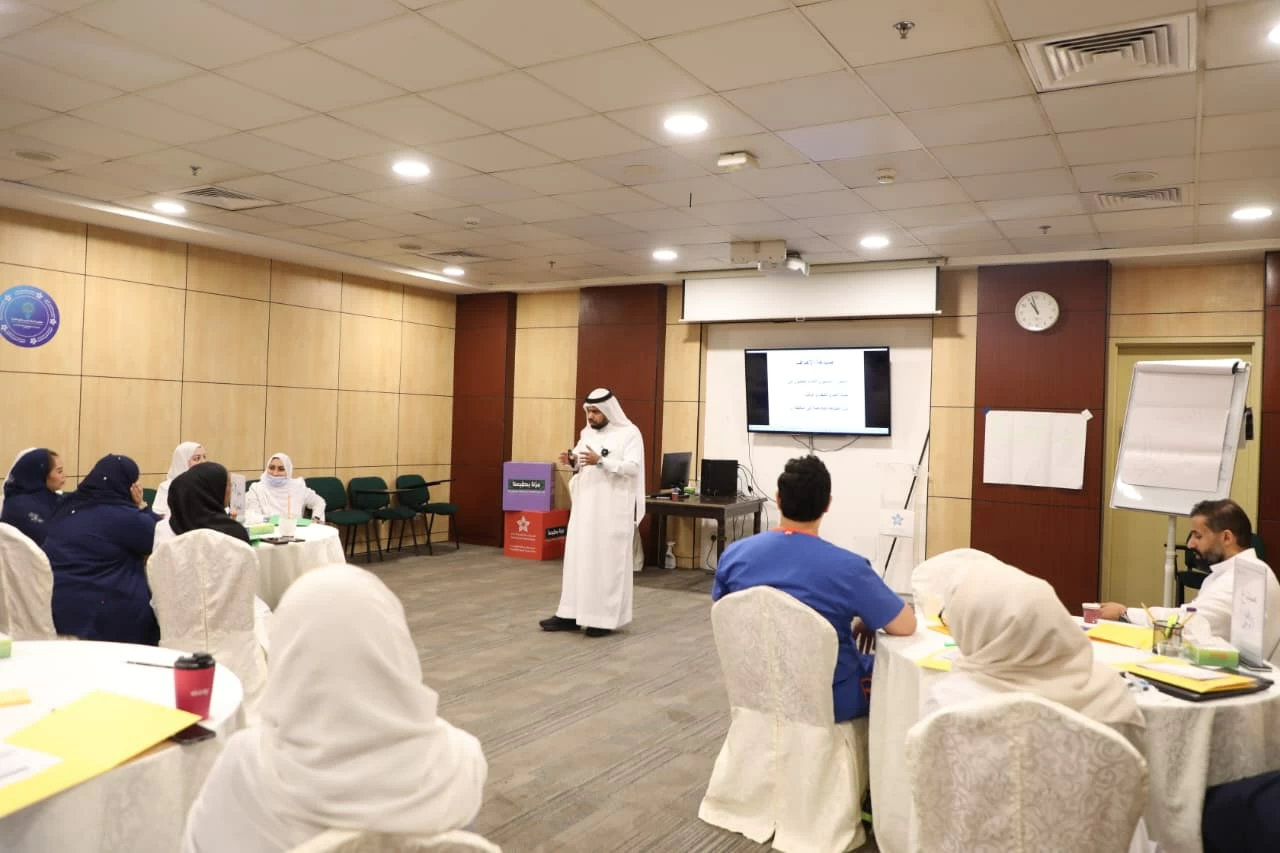
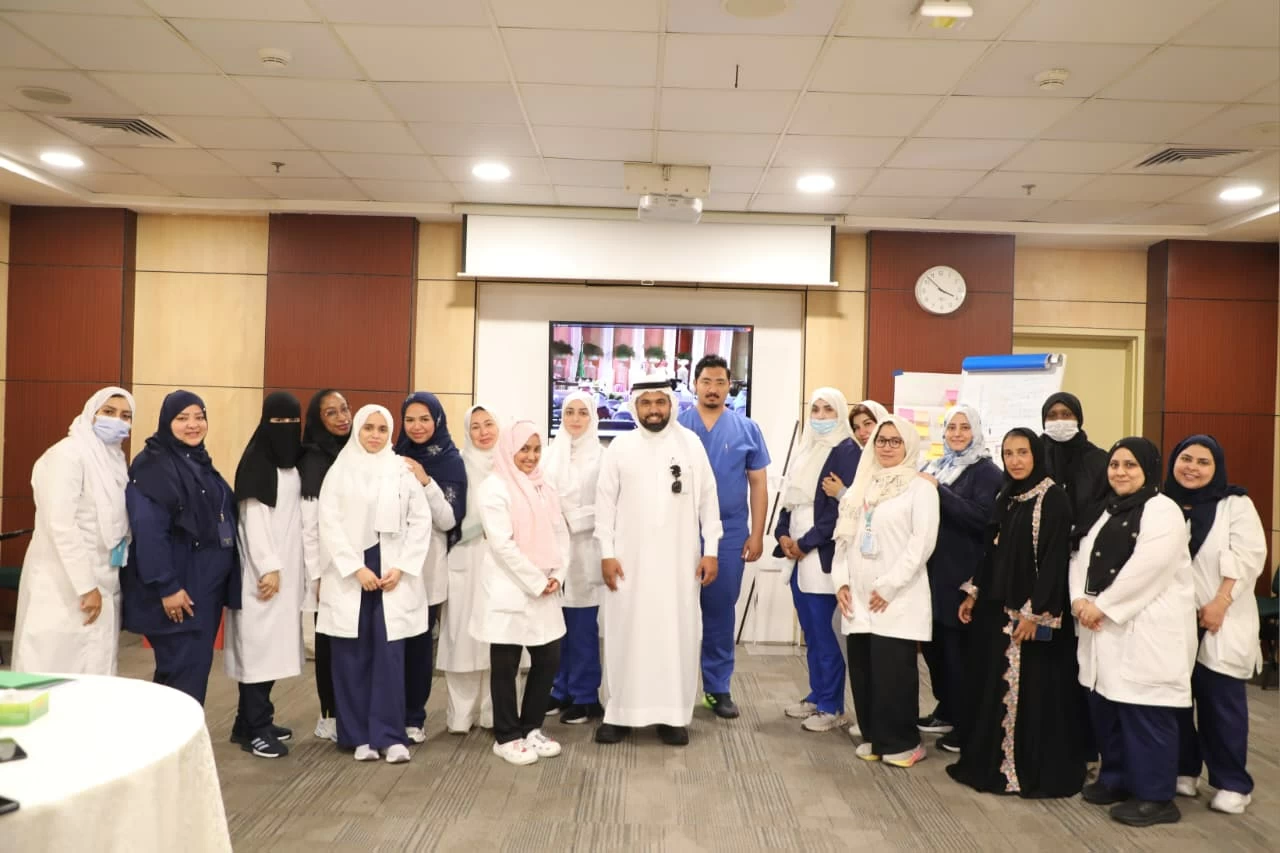
في خطوة تعكس الاهتمام بتعزيز الكفاءات الوطنية وبناء قدرات قيادية في المجال الصحي، نظّم مجمع الملك عبدالله الطبي بجدة، التابع لتجمع جدة الصحي الثاني، ممثلًا بإدارة التعليم التمريضي، دورة تدريبية متخصصة بعنوان «إعداد المدربين في المجال الصحي»، قدّمها المدرب عبدالرحمن العروي، واستفاد منها 20 ممرضًا وممرضة.
وهدفت الدورة إلى إعداد كوادر تمريضية مؤهلة لقيادة العملية التدريبية داخل المنشآت الصحية، من خلال تزويد المشاركين بالمعارف والمهارات اللازمة لتصميم البرامج التدريبية وتنفيذها وتقييمها وفق أحدث المنهجيات والممارسات العالمية، بما يعزز جودة التدريب، ويضمن استدامة نقل المعرفة، ويرفع كفاءة الأداء المهني.
وتضمن البرنامج عددًا من المحاور العلمية والتطبيقية، شملت الفروق بين التعليم والتدريب، وخصائص المدرب الفعّال، وتطبيق قانون بايك في التعلم، والتعامل مع الأنماط التمثيلية، واستخدام نموذج كولي في إعداد المحتوى التدريبي، إلى جانب تنمية مهارات العرض والتواصل وإدارة ورش العمل التفاعلية.
وتأتي هذه المبادرة ضمن برامج التطوير المهني المستمر التي ينفذها المجمع، تأكيدًا لالتزامه بالاستثمار في رأس المال البشري، وتمكين الكفاءات التمريضية الوطنية من أداء أدوار تدريبية وقيادية تسهم في تطوير بيئات العمل الصحية، وتعزيز جودة الخدمات المقدمة للمستفيدين.
كما تجسد الدورة توجه المجمع نحو دعم مستهدفات برنامج تحول القطاع الصحي، من خلال بناء قدرات وطنية مؤهلة، وتعزيز نموذج الرعاية الصحية القائمة على القيمة، بما يواكب مستهدفات رؤية المملكة 2030، ويرسخ ثقافة التميز المؤسسي والابتكار في القطاع الصحي.
In a step that reflects the interest in enhancing national competencies and building leadership capacities in the health sector, King Abdullah Medical Complex in Jeddah, part of the Jeddah Health Cluster II, organized a specialized training course titled "Training of Trainers in the Health Field," presented by trainer Abdulrahman Al-Arawi, benefiting 20 nurses.
The course aimed to prepare qualified nursing staff to lead the training process within health facilities by equipping participants with the knowledge and skills necessary to design, implement, and evaluate training programs according to the latest methodologies and global practices, thereby enhancing the quality of training, ensuring the sustainability of knowledge transfer, and improving professional performance.
The program included several scientific and practical axes, covering the differences between education and training, the characteristics of an effective trainer, applying the Pike Law in learning, dealing with representational styles, and using the Kolb model in preparing training content, in addition to developing presentation and communication skills and managing interactive workshops.
This initiative is part of the continuous professional development programs implemented by the complex, reaffirming its commitment to investing in human capital and empowering national nursing competencies to perform training and leadership roles that contribute to the development of health work environments and enhance the quality of services provided to beneficiaries.
The course also embodies the complex's direction towards supporting the objectives of the Health Sector Transformation Program by building qualified national capacities and enhancing the value-based healthcare model, in line with the objectives of Saudi Vision 2030, and reinforcing a culture of institutional excellence and innovation in the health sector.