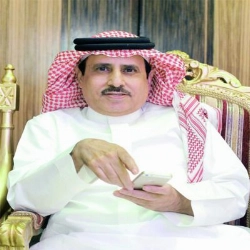
حين تذكر الباحة ورجالها الذين صنعوا حضورها في ميادين الإدارة والأدب والخلق يتقدم اسم علي بن سعيد عبدالله قشاط كأحد الأعلام الذين جمعوا بين التواضع والهيبة والوفاء لأرضهم والولاء لوطنهم.. سيرة تمتد من قرية الطرفين حتى كبرى مؤسسات جدة وميادين الاحتفالات الوطنية التي كان أحد أركانها.
شارك قشاط في محطات تاريخية بارزة كان فيها شاهداً وعضواً فاعلاً في لجنة الاحتفال بالمنطقة الغربية عند تولي الملك خالد (رحمه الله) مقاليد الحكم، ورئيساً للجنة الاحتفال عند تولي الملك فهد بن عبدالعزيز (رحمه الله) الحكم، ورئيساً لاحتفالات المنطقة الغربية بمناسبة تعيين الأمير ماجد بن عبدالعزيز (رحمه الله) أميراً لمنطقة مكة المكرمة. تلك المناسبات لم تكن مجرد أدوار بروتوكولية بل صفحات من تاريخ وطني عاشها بروح المسؤولية والانتماء.
بدأت رحلته التعليمية في مدرسة عراء، حيث درس المرحلة الابتدائية إلى عام 1376هـ بوثيقة وقعها مدير المدرسة سعد المليص (رحمه الله) ونخبة من المعلمين، ثم غادر قريته إلى جدة حيث قدم اختبار إتمام شهادة المرحلة الابتدائية في المعهد الخاص بجدة 1377هـ، لينتقل بعدها إلى المدرسة السعودية المتوسطة بجدة، ومنها إلى ثانوية الشاطئ حاملاً الشهادة التي فتحت له طريق العمل العام.
دخل معترك الحياة العملية مبكراً، فعمل في إدارة المبرقات التابعة لوزارة المواصلات، ثم انتقل إلى مكتب الوزير محمد عمر توفيق، وبعدها التحق بمكتب تخطيط المدن بجدة سكرتيراً للدكتور عمر عبدالرحمن عزام، ثم واصل عمله مديراً لمكتب المهندس محمد سعيد فارسي الذي تولى لاحقاً رئاسة بلدية جدة، فاستمر قشاط ملازماً للفارسي مشاركاً في صناعة القرارات التي شكلت ملامح جدة الحديثة. ومع تحول البلدية إلى أمانة جدة، تولى منصب مدير مكتب الأمين، ثم وكيلاً للأمانة للشؤون المالية والإدارية، وأضيفت إليه وكالة الخدمات لفترة من الزمن.
امتد عطاؤه خارج حدود جدة فانتدب إلى عدد من العواصم العربية مثل دمشق وبيروت والقاهرة وعمان والخرطوم للتعاقد مع كفاءات في مجالات الهندسة والفنون والمهن المساندة مساهماً في بناء القدرات التي اعتمدت عليها البلديات السعودية في تلك المرحلة، كما شارك في مؤتمرات عربية كبرى منها مؤتمر المدن العربية في جدة ووجدة المغربية والإسكندرية فكان صوت الباحة ممزوجاً بصوت الوطن في المحافل الإقليمية.
وعلى المستوى الاجتماعي، ظل قشاط قريباً من أهله وأبناء منطقته فرأس لجنة احتفالات قبيلة غامد أثناء زيارة الملك فهد (رحمه الله) للباحة، وشارك في لجان الاستقبال الرسمية خلال زيارات الأمير سلطان بن عبدالعزيز والملك عبدالله (رحمهما الله)، مقدماً صورة مشرقة عن إنسان الباحة المضياف الوفي لتراثه الحريص على خدمة وطنه وقيادته.
ولأن البذل لا يضيع عند الله ولا عند الناس فقد حظي علي قشاط بتكريمات عديدة في مؤتمرات ومحافل مختلفة وكان من أبرز تكريماته نيله جائزة الأمير محمد بن سعود (رحمه الله) لحفاظ كتاب الله، وهو وسام يختصر مسيرته الروحية والأخلاقية التي ارتبطت بالعلم والإيمان ليضيف إلى سيرته بعداً إيمانياً رفيعاً.
وعلى الرغم من سنوات العمل الطويلة والتكريمات المتعددة، ظل علي قشاط متواضعاً، قليل الحديث عن إنجازاته، كثير الاهتمام بما يضيف قيمة للآخرين، لم يسعَ إلى الأضواء بل كان همه أن يكون جسراً للثقة بين الناس والمؤسسات وأن يترجم أخلاقه الرفيعة إلى أفعال تبقى في ذاكرة كل من عرفه أو تعامل معه.
إن سيرة علي بن سعيد عبدالله قشاط هي سيرة رجل صنع مجده بالعلم والعمل فكان سفيراً للباحة في جدة ورمزاً للوفاء في كل موقع تقلده وقامة عالية في الأدب والخلق، رجل احترم الجميع وقدرهم فأحاطوه بحبهم ودعائهم وبقي اسمه شاهداً على أن العظمة الحقيقية تقاس بمدى ما يتركه الإنسان من أثر في القلوب قبل أن يسجل في الأوراق.
يبقى علي بن سعيد قشاط واحداً من الأسماء التي لا تغيب عن ذاكرة الباحة وجدة والوطن، رجل عاش للناس ومع الناس، لم يترك منصباً إلا وجعل منه ساحة خدمة، ولا محطة إلا وترك فيها بصمة وفاء، وحين يذكر اليوم تتقدمه صورته التي جمعت الأخلاق والأدب والعمل والصدق، وهي الصورة التي ستظل حاضرة في القلوب قبل أن تحفظها السطور.
When mentioning Al-Bahah and its men who have made their presence felt in the fields of administration, literature, and ethics, the name of Ali bin Said Abdullah Qashat stands out as one of the figures who embodied humility, dignity, loyalty to their land, and allegiance to their nation. His story stretches from the village of Al-Tarfayn to the major institutions of Jeddah and the arenas of national celebrations in which he was one of the cornerstones.
Qashat participated in prominent historical milestones where he was both a witness and an active member of the committee celebrating the Western Region during the reign of King Khalid (may God have mercy on him), and he served as the chairman of the celebration committee during the reign of King Fahd bin Abdulaziz (may God have mercy on him), as well as the chairman of the celebrations in the Western Region on the occasion of the appointment of Prince Majid bin Abdulaziz (may God have mercy on him) as the Emir of the Makkah Region. These occasions were not merely ceremonial roles but pages of a national history he lived with a spirit of responsibility and belonging.
His educational journey began at Al-Ara School, where he studied the primary stage until the year 1376 AH, with a certificate signed by the school principal, Saad Al-Mulais (may God have mercy on him), and a group of teachers. He then left his village for Jeddah, where he took the primary school completion exam at the private institute in Jeddah in 1377 AH, before moving on to the Saudi Intermediate School in Jeddah, and then to Al-Shate' High School, carrying the certificate that opened the door for him to public work.
He entered the practical life early, working in the Telecommunications Administration under the Ministry of Communications, then moving to the office of Minister Muhammad Omar Tawfiq. After that, he joined the City Planning Office in Jeddah as secretary to Dr. Omar Abdulrahman Azzam, and then continued his work as the director of the office of Engineer Muhammad Said Farasi, who later became the head of Jeddah Municipality. Qashat remained close to Farasi, participating in the decision-making that shaped the modern features of Jeddah. With the transformation of the municipality into the Jeddah Municipality, he took on the role of Director of the Secretary's Office, then Deputy Secretary for Financial and Administrative Affairs, and was later assigned the Agency for Services for a period of time.
His contributions extended beyond the borders of Jeddah, as he was assigned to several Arab capitals such as Damascus, Beirut, Cairo, Amman, and Khartoum to contract with competencies in engineering, arts, and supporting professions, contributing to building the capacities that Saudi municipalities relied on during that period. He also participated in major Arab conferences, including the Arab Cities Conference in Jeddah, Oujda in Morocco, and Alexandria, where the voice of Al-Bahah was intertwined with the voice of the nation in regional forums.
On a social level, Qashat remained close to his family and the people of his region, chairing the celebrations committee for the Ghamid tribe during King Fahd's (may God have mercy on him) visit to Al-Bahah, and participating in official reception committees during the visits of Prince Sultan bin Abdulaziz and King Abdullah (may God have mercy on them), presenting a bright image of the hospitable and loyal people of Al-Bahah, who are keen on serving their nation and leadership.
Because giving does not go unnoticed by God or people, Ali Qashat received numerous honors at various conferences and events, with one of his most notable recognitions being the Prince Muhammad bin Saud (may God have mercy on him) Award for the memorization of the Quran, a medal that encapsulates his spiritual and ethical journey intertwined with knowledge and faith, adding a high spiritual dimension to his biography.
Despite his long years of work and numerous accolades, Ali Qashat remained humble, speaking little of his achievements, and showing great concern for what adds value to others. He did not seek the limelight; rather, his concern was to be a bridge of trust between people and institutions and to translate his noble ethics into actions that remain in the memory of everyone who knew him or interacted with him.
The biography of Ali bin Said Abdullah Qashat is that of a man who made his glory through knowledge and work, becoming an ambassador for Al-Bahah in Jeddah and a symbol of loyalty in every position he held, a towering figure in literature and ethics. He respected everyone and valued them, surrounding himself with their love and prayers, and his name remains a testament that true greatness is measured by the impact one leaves in the hearts before it is recorded on paper.
Ali bin Said Qashat remains one of the names that will not fade from the memory of Al-Bahah, Jeddah, and the nation, a man who lived for the people and with the people, leaving no position without making it a field of service, and no station without leaving a mark of loyalty. When he is mentioned today, his image, which embodies ethics, literature, work, and sincerity, comes to the forefront, a picture that will remain present in hearts before it is preserved in lines.