


شاركت المملكة في حدث رفيع المستوى شمل ممثلين حكوميين من دول الخليج من الإمارات والبحرين بتنظيم من مجلس الإمارات للتوازن بين الجنسين، وبالتعاون مع البنك الدولي، الذي أقيم في مدينة دبي.
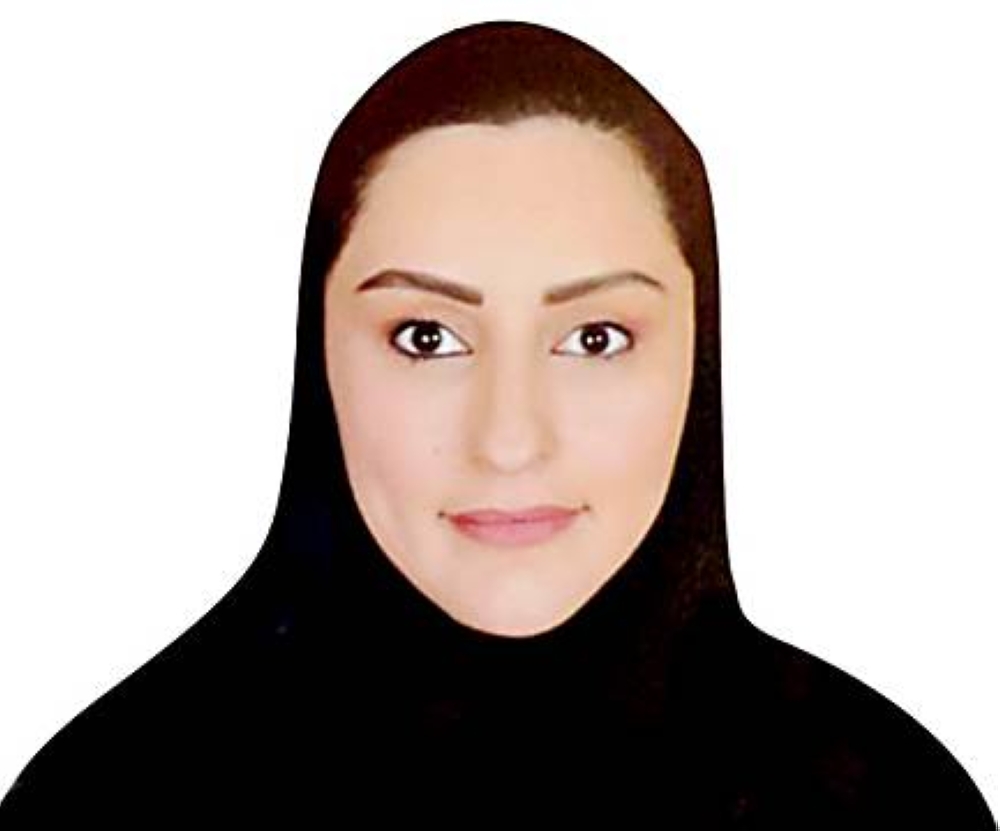
وشمل الحدث جلسات وورش عمل تبادل الخبرات، ومثّلت مدير عام تمكين المرأة في وزارة الموارد الدكتورة هنادي الحكير المملكة من خلال المشاركة في جلسة تبادل الخبرات مع ممثلين حكوميين من الإمارات والبحرين لعرض تجارب عملية تدعم زيادة مشاركة المرأة في سوق العمل، واستعرضت تجربة تمكين المرأة في سوق العمل اقتصادياً بالمملكة العربية السعودية.
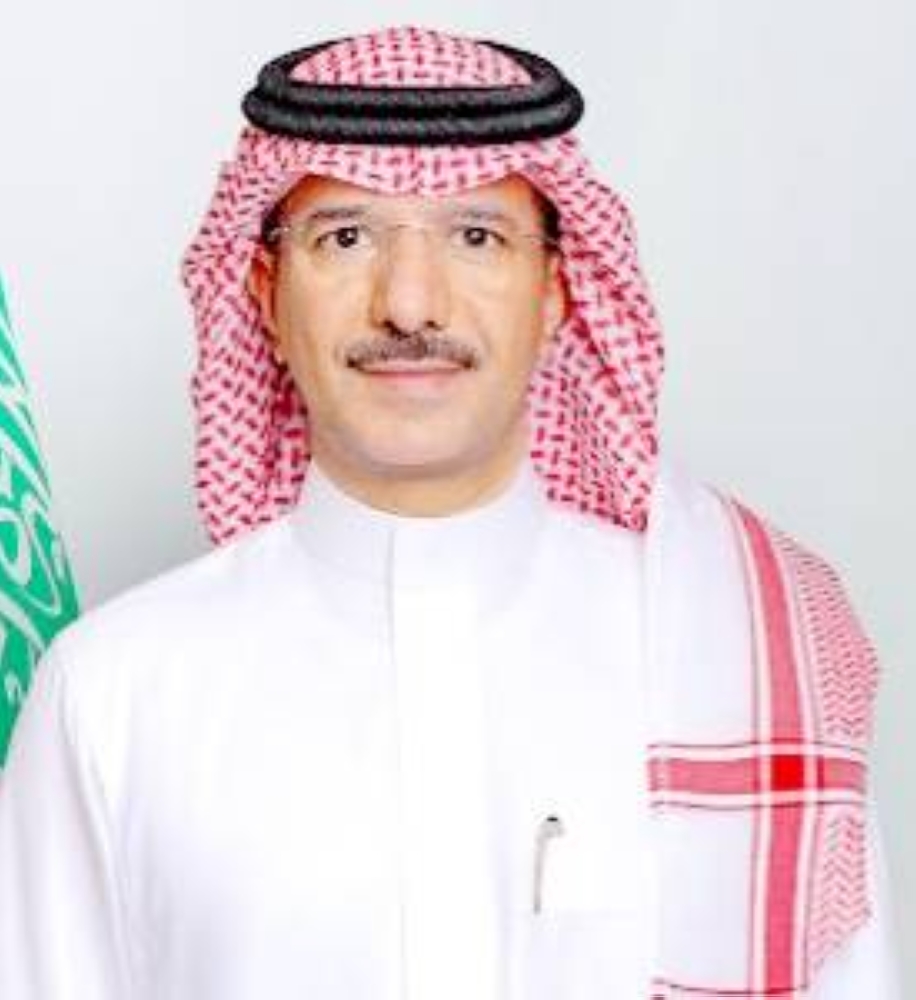
وأكد نائب وزير الموارد الدكتور عبدالله بن ناصر أبوثنين أن تمكين المرأة اقتصادياً ليس مجرّد هدف، بل هو ركيزة أساسية لازدهار المملكة على المدى البعيد، وأطلقت الوزارة بالتعاون مع الجهات الحكومية والبرامج الوطنية والقطاع الخاص مجموعة من الإصلاحات الهيكلية والمبادرات منذ انطلاق رؤية المملكة 2030 التي أسهمت في توفير فرص حقيقية أمام المرأة السعودية للمشاركة والتطور في سوق العمل، مثل تشريعات الأجر المتساوي ودعم النقل وإجازات الأمومة.
وتضمّن الحدث جلسات عمل تفاعلية قدمها البنك الدولي حول مبادرات وسياسات رعاية الأطفال التي تدعم مشاركة المرأة في سوق العمل وأفضل الممارسات العالمية في هذا الجانب، وتسهيل وصول المرأة إلى القطاع الرقمي، والإصلاحات والأطر القانونية الداعمة لتطورها المهني، مع تسليط الضوء على نماذج عالمية لزيادة توظيف النساء في القطاعات غير التقليدية مثل التكنولوجيا والاقتصاد الأخضر، كما تم استعراض أفضل التجارب الناجحة من المملكة العربية السعودية والإمارات والبحرين.
وشمل الحدث جلسة بشأن منهجية مؤشر المرأة وأنشطة الأعمال والقانون الصادر عن البنك الدولي، وهو أحد أدوات القياس العالمية لتتبع التقدم التنظيمي في مجال المساواة بين الجنسين.
وأشادت الدكتورة هنادي الحكير بالحدث الذي يشكل فرصة مهمة لعرض تجربة المملكة والتقدم الملموس الذي حققته في تعزيز مشاركة المرأة اقتصادياً، ولتبادل الدروس المستفادة والتجارب الناجحة مع الدول الخليجية كدولتي الإمارات والبحرين.
وحققت المملكة إنجازات غير مسبوقة في تمكين المرأة اقتصادياً وقفزت نسبة المشاركة الاقتصادية للمرأة في سوق العمل من 17% في عام 2017 إلى أكثر من 36% اليوم، متجاوزة مستهدفات رؤية 2030، كما تعكس مشاركة الوزارة التزام المملكة بأهداف رؤية المملكة 2030 المتمثلة في رفع مستوى مشاركة المرأة اقتصادياً وتعزيز دورها القيادي في جميع القطاعات.
------
حزمة إصلاحات شاملة
تأتي مشاركة وزارة الموارد مدعومة بحزمة إصلاحات شاملة ضمن رؤية المملكة 2030، وتشمل ارتفاع نسبة النساء في المناصب الإدارية المتوسطة والعليا إلى أكثر من 44.1%، مقارنة بـ28.6% في عام 2017، بدعم من برامج تدريبية كمبادرة التدريب القيادي مع معهد INSEAD استفادت منها أكثر من 1700 سيدة، ومبادرة التدريب الموازي التي أسهمت في توظيف أكثر من 122000 امرأة عبر 800 برنامج بالتعاون مع 46000 شركة في القطاع الخاص، ومبادرة «وصول» التي ساعدت أكثر من 288000 امرأة في التغلب على تحديات التنقل للعمل، وتشريعات الأجر المتساوي وحماية المرأة من التمييز الوظيفي وسياسات تحظر التمييز الوظيفي لضمان مسار مهني عادل كالسياسة الوطنية لتشجيع تكافؤ الفرص والمساواة في المعاملة في الاستخدام والمهنة في المملكة، وتعديلات تنظيمية لضمان المساواة في مزايا التقاعد وتحقيق استقرار مالي طويل الأمد، وتمديد إجازة الأمومة إلى 12 أسبوعاً مدفوعة الأجر بالكامل، ودعم ترتيبات رعاية الأطفال من خلال برنامج دعم «قرة»، وتمكين المرأة في أنماط العمل الحديثة العمل المرن والحر والعمل عن بعد.
وأسهمت هذه الجهود في تسهيل وصول المرأة إلى فرص العمل، وتعزيز استمراريتها المهنية وتقدمها، ما يجعل المملكة واحدة من أسرع أسواق العمل نمواً للمرأة على مستوى المنطقة.
في حوار رفيع المستوى.. السعودية تسلّط الضوء على إنجازاتها في تعزيز مشاركة المرأة
25 يونيو 2025 - 16:49
|
آخر تحديث 25 يونيو 2025 - 17:26


تابع قناة عكاظ على الواتساب
«عكاظ» (الرياض)
The Kingdom participated in a high-level event that included government representatives from Gulf countries, specifically the UAE and Bahrain, organized by the UAE Gender Balance Council, in collaboration with the World Bank, held in Dubai.
The event included sessions and workshops for exchanging experiences, with Dr. Hanadi Al-Hakeer, the Director General of Women's Empowerment at the Ministry of Resources, representing the Kingdom by participating in a session to exchange experiences with government representatives from the UAE and Bahrain to showcase practical experiences that support increasing women's participation in the labor market. She presented the experience of women's economic empowerment in the labor market in the Kingdom of Saudi Arabia.
Dr. Abdullah bin Nasser Abu Thnein, the Deputy Minister of Resources, emphasized that women's economic empowerment is not just a goal but a fundamental pillar for the Kingdom's long-term prosperity. The ministry, in collaboration with government entities, national programs, and the private sector, has launched a series of structural reforms and initiatives since the launch of Vision 2030, which have contributed to providing real opportunities for Saudi women to participate and advance in the labor market, such as equal pay legislation, transportation support, and maternity leave.
The event included interactive working sessions presented by the World Bank on childcare initiatives and policies that support women's participation in the labor market, as well as global best practices in this regard, facilitating women's access to the digital sector, and the legal reforms and frameworks supporting their professional development. It highlighted global models for increasing women's employment in non-traditional sectors such as technology and the green economy, and showcased the best successful experiences from Saudi Arabia, the UAE, and Bahrain.
The event also included a session on the methodology of the Women, Business and the Law Index issued by the World Bank, which is one of the global measurement tools to track regulatory progress in gender equality.
Dr. Hanadi Al-Hakeer praised the event, which represents an important opportunity to showcase the Kingdom's experience and the tangible progress it has made in enhancing women's economic participation, as well as to exchange lessons learned and successful experiences with Gulf countries such as the UAE and Bahrain.
The Kingdom has achieved unprecedented accomplishments in women's economic empowerment, with the economic participation rate of women in the labor market rising from 17% in 2017 to over 36% today, exceeding the targets of Vision 2030. This participation reflects the Kingdom's commitment to the goals of Vision 2030, which aim to increase women's economic participation and enhance their leadership role across all sectors.
------
Comprehensive Reform Package
The participation of the Ministry of Resources is supported by a comprehensive reform package within the framework of Vision 2030, which includes increasing the percentage of women in middle and senior management positions to over 44.1%, compared to 28.6% in 2017. This is supported by training programs such as the Leadership Training Initiative with INSEAD, which has benefited over 1,700 women, and the Parallel Training Initiative, which has contributed to the employment of over 122,000 women through 800 programs in collaboration with 46,000 companies in the private sector. The "Wusool" initiative has helped more than 288,000 women overcome mobility challenges to work, along with equal pay legislation and protection against job discrimination, as well as policies prohibiting job discrimination to ensure a fair career path, such as the national policy to promote equal opportunities and equal treatment in employment and profession in the Kingdom. There are also regulatory amendments to ensure equality in retirement benefits and achieve long-term financial stability, extending maternity leave to 12 weeks of fully paid leave, and supporting childcare arrangements through the "Qurra" support program, as well as empowering women in modern work patterns, including flexible, freelance, and remote work.
These efforts have facilitated women's access to job opportunities, enhanced their career continuity and advancement, making the Kingdom one of the fastest-growing labor markets for women in the region.
The event included sessions and workshops for exchanging experiences, with Dr. Hanadi Al-Hakeer, the Director General of Women's Empowerment at the Ministry of Resources, representing the Kingdom by participating in a session to exchange experiences with government representatives from the UAE and Bahrain to showcase practical experiences that support increasing women's participation in the labor market. She presented the experience of women's economic empowerment in the labor market in the Kingdom of Saudi Arabia.
Dr. Abdullah bin Nasser Abu Thnein, the Deputy Minister of Resources, emphasized that women's economic empowerment is not just a goal but a fundamental pillar for the Kingdom's long-term prosperity. The ministry, in collaboration with government entities, national programs, and the private sector, has launched a series of structural reforms and initiatives since the launch of Vision 2030, which have contributed to providing real opportunities for Saudi women to participate and advance in the labor market, such as equal pay legislation, transportation support, and maternity leave.
The event included interactive working sessions presented by the World Bank on childcare initiatives and policies that support women's participation in the labor market, as well as global best practices in this regard, facilitating women's access to the digital sector, and the legal reforms and frameworks supporting their professional development. It highlighted global models for increasing women's employment in non-traditional sectors such as technology and the green economy, and showcased the best successful experiences from Saudi Arabia, the UAE, and Bahrain.
The event also included a session on the methodology of the Women, Business and the Law Index issued by the World Bank, which is one of the global measurement tools to track regulatory progress in gender equality.
Dr. Hanadi Al-Hakeer praised the event, which represents an important opportunity to showcase the Kingdom's experience and the tangible progress it has made in enhancing women's economic participation, as well as to exchange lessons learned and successful experiences with Gulf countries such as the UAE and Bahrain.
The Kingdom has achieved unprecedented accomplishments in women's economic empowerment, with the economic participation rate of women in the labor market rising from 17% in 2017 to over 36% today, exceeding the targets of Vision 2030. This participation reflects the Kingdom's commitment to the goals of Vision 2030, which aim to increase women's economic participation and enhance their leadership role across all sectors.
------
Comprehensive Reform Package
The participation of the Ministry of Resources is supported by a comprehensive reform package within the framework of Vision 2030, which includes increasing the percentage of women in middle and senior management positions to over 44.1%, compared to 28.6% in 2017. This is supported by training programs such as the Leadership Training Initiative with INSEAD, which has benefited over 1,700 women, and the Parallel Training Initiative, which has contributed to the employment of over 122,000 women through 800 programs in collaboration with 46,000 companies in the private sector. The "Wusool" initiative has helped more than 288,000 women overcome mobility challenges to work, along with equal pay legislation and protection against job discrimination, as well as policies prohibiting job discrimination to ensure a fair career path, such as the national policy to promote equal opportunities and equal treatment in employment and profession in the Kingdom. There are also regulatory amendments to ensure equality in retirement benefits and achieve long-term financial stability, extending maternity leave to 12 weeks of fully paid leave, and supporting childcare arrangements through the "Qurra" support program, as well as empowering women in modern work patterns, including flexible, freelance, and remote work.
These efforts have facilitated women's access to job opportunities, enhanced their career continuity and advancement, making the Kingdom one of the fastest-growing labor markets for women in the region.




