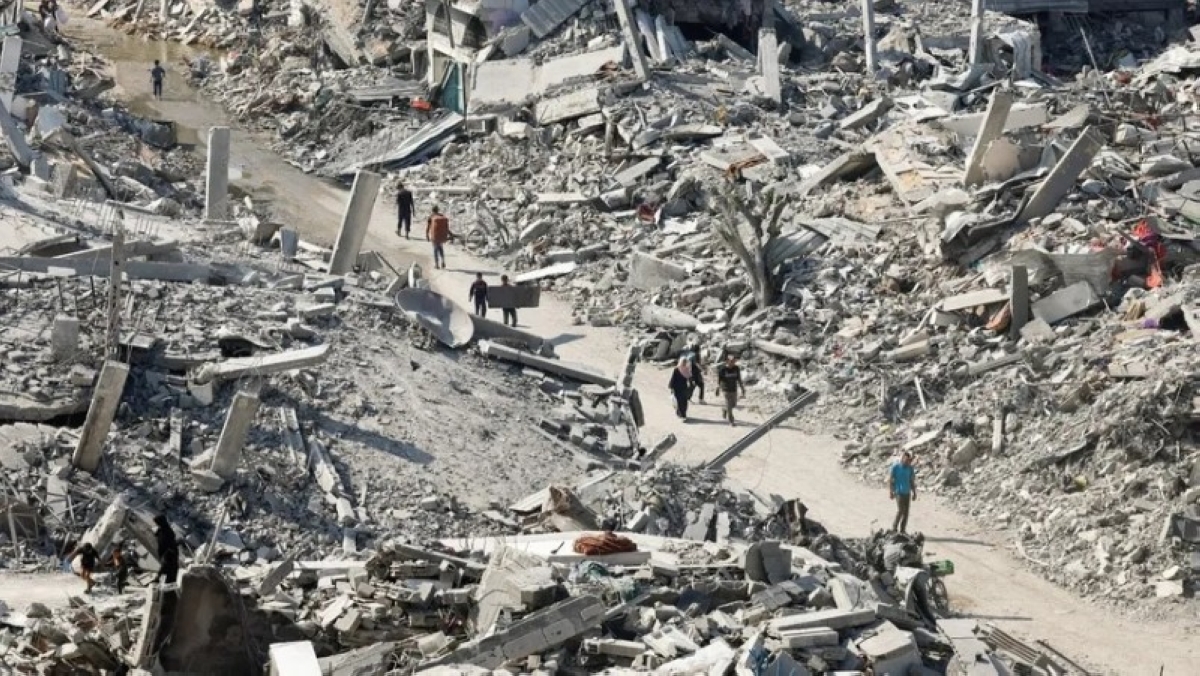
فيما تتواصل المساعي الدولي والإقليمية لمنع انهيار وقف إطلاق النار في غزة والانتقال إلى المرحلة الثانية، توجهت مديرة الاستخبارات الوطنية تولسي جابارد إلى إسرائيل للوقوف على «مركز التنسيق المدني العسكري». وقدمت واشنطن مشروع قرار لمجلس الأمن يدعو إلى إنشاء قوة أمنية دولية لمدة عامين قابلة للتمديد.
واعتبر كبير مستشاري الرئيس الأمريكي للشؤون العربية والإفريقية مسعد بولس، أن المرحلة الأولى من اتفاق غزة حققت «نجاحاً نسبياً»، ما يفتح الباب للتقدم في المرحلة الثانية.
مسودة مشروع قرار
وكشف موقع «أكسيوس» الأمريكي، مساء الإثنين، أن واشنطن وزعت مسودة مشروع قرار على أعضاء مجلس الأمن الدولي، تقترح فيه إنشاء قوة أمنية دولية تعمل لمدة لا تقل عن عامين قابلة للتمديد حتى نهاية عام 2027.
ومن المقرر أن تبدأ المفاوضات بشأن المشروع خلال الأيام القادمة بهدف التصويت عليه في غضون أسابيع، على أن تُنشر أولى وحدات القوة في غزة بحلول يناير القادم.
وتشمل المرحلة الثانية من الاتفاق موضوعات الحكم والسلاح وقوات الاستقرار الدولية وإعادة الإعمار.
وقال مسؤول أمريكي إن «القوة ستكون تنفيذية، وليست لحفظ السلام، ما يعني أنها ستتدخل فعلياً لفرض الأمن، وليس فقط لمراقبة الوضع»، لافتاً إلى أن «القوة ستضم جنوداً من عدة دول، وستعمل بالتنسيق مع مجلس السلام في غزة الذي أعلن الرئيس الأمريكي دونالد ترمب أنه سيرأسه».
وبموجب خطة وقف إطلاق النار، يُعد نشر قوة حفظ الاستقرار الدولية شرطاً لانسحاب إسرائيل من الأراضي التي ما زالت تسيطر عليها والتي تشكل نحو 50% من غزة.
16 دولة تعمل لاستقرار غزة
من جانبها، كشفت مديرة الاستخبارات الوطنية الأمريكية تولسي غابارد، التي زارت مركز التنسيق المدني العسكري الذي تديره الولايات المتحدة ضمن الاستعدادات الميدانية لتنفيذ المرحلة التالية من اتفاق وقف النار، أن 16 دولة و20 منظمة غير حكومية تعمل حالياً جنباً إلى جنب كجزء من هذه القوة المدنية والعسكرية متعددة الجنسيات، التي تهدف إلى تحقيق الاستقرار في غزة.
وقالت في مقابلة مع قناة «فوكس نيوز»، إن «ما يجري مثال حي لما يمكن أن يحدث عندما تتحد الدول من أجل مصالح مشتركة، بما يحمل من إمكانات لتحقيق سلام دائم يخدم الأجيال القادمة».
وأضافت أنه «للمرة الأولى يسود شعور حقيقي بالأمل والتفاؤل في الشرق الأوسط، بفضل قيادة الرئيس ترمب والرؤية التي وضعها عبر اتفاق السلام التاريخي».
As international and regional efforts continue to prevent the collapse of the ceasefire in Gaza and move to the second phase, National Intelligence Director Tulsi Gabbard headed to Israel to assess the "Civil-Military Coordination Center." Washington has presented a draft resolution to the Security Council calling for the establishment of an international security force for two years, which is extendable.
Senior Advisor to the U.S. President for Arab and African Affairs, Messaad Boulous, considered that the first phase of the Gaza agreement has achieved "relative success," which opens the door for progress in the second phase.
Draft Resolution
The American website "Axios" revealed on Monday evening that Washington distributed a draft resolution to the members of the United Nations Security Council, proposing the establishment of an international security force that would operate for no less than two years, extendable until the end of 2027.
Negotiations on the draft are expected to begin in the coming days, with the aim of voting on it within weeks, and the first units of the force are to be deployed in Gaza by January.
The second phase of the agreement includes topics of governance, weapons, international stabilization forces, and reconstruction.
An American official stated that "the force will be executive, not peacekeeping, which means it will actively intervene to enforce security, not just monitor the situation," noting that "the force will include soldiers from several countries and will operate in coordination with the Peace Council in Gaza, which U.S. President Donald Trump announced he would chair."
Under the ceasefire plan, the deployment of an international stabilization force is a condition for Israel's withdrawal from the territories it still controls, which constitute about 50% of Gaza.
16 Countries Working for Gaza's Stability
For her part, U.S. National Intelligence Director Tulsi Gabbard, who visited the Civil-Military Coordination Center run by the United States as part of the field preparations for implementing the next phase of the ceasefire agreement, revealed that 16 countries and 20 non-governmental organizations are currently working together as part of this multinational civil and military force aimed at achieving stability in Gaza.
In an interview with "Fox News," she stated that "what is happening is a living example of what can occur when countries unite for common interests, carrying the potential for achieving lasting peace that serves future generations."
She added that "for the first time, there is a genuine sense of hope and optimism in the Middle East, thanks to President Trump's leadership and the vision he laid out through the historic peace agreement."