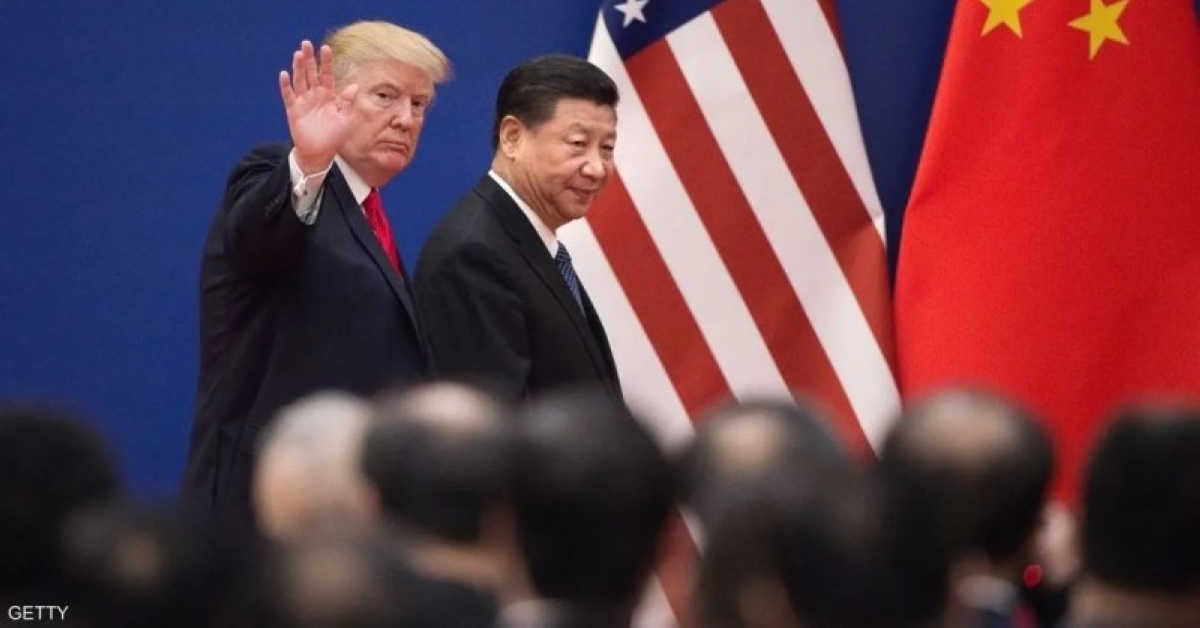
في رد حاد ومباشر، نفت وزارة الخارجية الصينية اليوم (الإثنين) اتهامات الرئيس الأمريكي دونالد ترمب بإجراء بلادها تجارب نووية سرية تحت الأرض، مؤكدة التزامها بـ«المسار السلمي» ودعوة واشنطن إلى احترام المعاهدات الدولية.
جاء هذا النفي بعد تصريحات ترمب المثيرة للجدل في مقابلة تلفزيونية مع برنامج «60 دقيقة» على قناة «سي بي إس» التي بثت الأحد، حيث اتهم روسيا والصين بإجراء تجارب نووية غير معلنة، مشيراً إلى أن الولايات المتحدة ستستأنف اختباراتها النووية لـ«الرد على الآخرين».
وأعربت المتحدثة باسم وزارة الخارجية الصينية ماو نينغ عن «الرفض القاطع» للاتهامات، قائلة: «الصين ملتزمة دائماً بسياسة عدم الاستخدام الأول للأسلحة النووية، وتحافظ على استراتيجية دفاعية، وتلتزم بتعليق التجارب النووية منذ 1996».
ودعت بكين واشنطن إلى «الوفاء بالتزاماتها بموجب CTBT، واتخاذ إجراءات ملموسة للحفاظ على التوازن الاستراتيجي العالمي»، كما حذرت من أن مثل هذه التصريحات «تهدد نظام منع الانتشار النووي الدولي».
إعلان نووي مفاجئ من ترمب
ويعود السياق إلى إعلان مفاجئ أدلى به ترمب الخميس الماضي عبر منصة «تروث سوشيال»، قبل دقائق من لقائه الرئيس الصيني شي جين بينغ في كوريا الجنوبية، حيث أمر وزارة الحرب الأمريكية بـ«بدء اختبار أسلحتنا النووية على قدم المساواة» مع الدول الأخرى.
وفي المقابلة مع «60 دقيقة»، قال ترمب صراحة: «روسيا تجري تجارب، والصين تجري تجارب، لكنهما لا تتحدثان عنها»، مضيفاً أن كوريا الشمالية وباكستان تنضمان إلى هذه القائمة، مؤكداً أن الولايات المتحدة، التي توقفت عن التجارب النووية التفجيرية منذ عام 1992، لن تظل «الدولة الوحيدة التي لا تجري تجارب»، مشيراً إلى أن ترسانتها النووية «تكفي لتفجير العالم 150 مرة».
توترات متصاعدة بين بكين وواشنطن
وتأتي هذه التصريحات في خضم توترات متصاعدة بين واشنطن وبكين، حيث أجرت الصين توسعاً سريعاً في ترسانتها النووية، بما في ذلك بناء صوامع صواريخ جديدة، لكن آخر تجربة تفجيرية لها تعود إلى عام 1996.
كما أن روسيا أعلنت أخيراً اختبارات لصواريخ كروز نووية الدفع مثل «بوري فيستنيك»، لكنها نفت أنها تجارب نووية حقيقية، أما الولايات المتحدة، فهي موقعة على معاهدة الحظر الشامل للتجارب النووية منذ 1996، التي تحظر جميع التفجيرات النووية، ومع ذلك، أوضح وزير الطاقة الأمريكي كريس رايت لاحقاً أن الاختبارات المخطط لها «لن تشمل تفجيرات نووية»، بل «اختبارات على الأنظمة» لضمان سلامة المكونات غير النووية.
In a sharp and direct response, the Chinese Foreign Ministry today (Monday) denied U.S. President Donald Trump's accusations of conducting secret underground nuclear tests, reaffirming its commitment to a "peaceful path" and urging Washington to respect international treaties.
This denial came after Trump's controversial statements in a television interview with the "60 Minutes" program on CBS, which aired on Sunday, where he accused Russia and China of conducting undisclosed nuclear tests, indicating that the United States would resume its nuclear tests to "respond to others."
Chinese Foreign Ministry spokesperson Mao Ning expressed "strong rejection" of the accusations, stating: "China has always adhered to a policy of no first use of nuclear weapons, maintains a defensive strategy, and has committed to suspending nuclear tests since 1996."
Beijing urged Washington to "fulfill its obligations under the CTBT and take concrete actions to maintain global strategic balance," warning that such statements "threaten the international nuclear non-proliferation regime."
Surprising Nuclear Announcement from Trump
The context goes back to a surprising announcement made by Trump last Thursday via the "Truth Social" platform, just minutes before his meeting with Chinese President Xi Jinping in South Korea, where he ordered the U.S. Department of Defense to "begin testing our nuclear weapons on par" with other countries.
In the interview with "60 Minutes," Trump stated explicitly: "Russia is testing, China is testing, but they are not talking about it," adding that North Korea and Pakistan are joining this list, asserting that the United States, which has halted explosive nuclear tests since 1992, will not remain "the only country that does not test," noting that its nuclear arsenal "is enough to blow up the world 150 times."
Rising Tensions Between Beijing and Washington
These statements come amid rising tensions between Washington and Beijing, as China has rapidly expanded its nuclear arsenal, including the construction of new missile silos, although its last explosive test dates back to 1996.
Russia has also recently announced tests for nuclear-powered cruise missiles like the "Borei Vestnik," but denied that they are real nuclear tests. Meanwhile, the United States has been a signatory to the Comprehensive Nuclear-Test-Ban Treaty since 1996, which prohibits all nuclear explosions; however, U.S. Energy Secretary Chris Wright later clarified that the planned tests "will not include nuclear explosions," but rather "tests on systems" to ensure the safety of non-nuclear components.