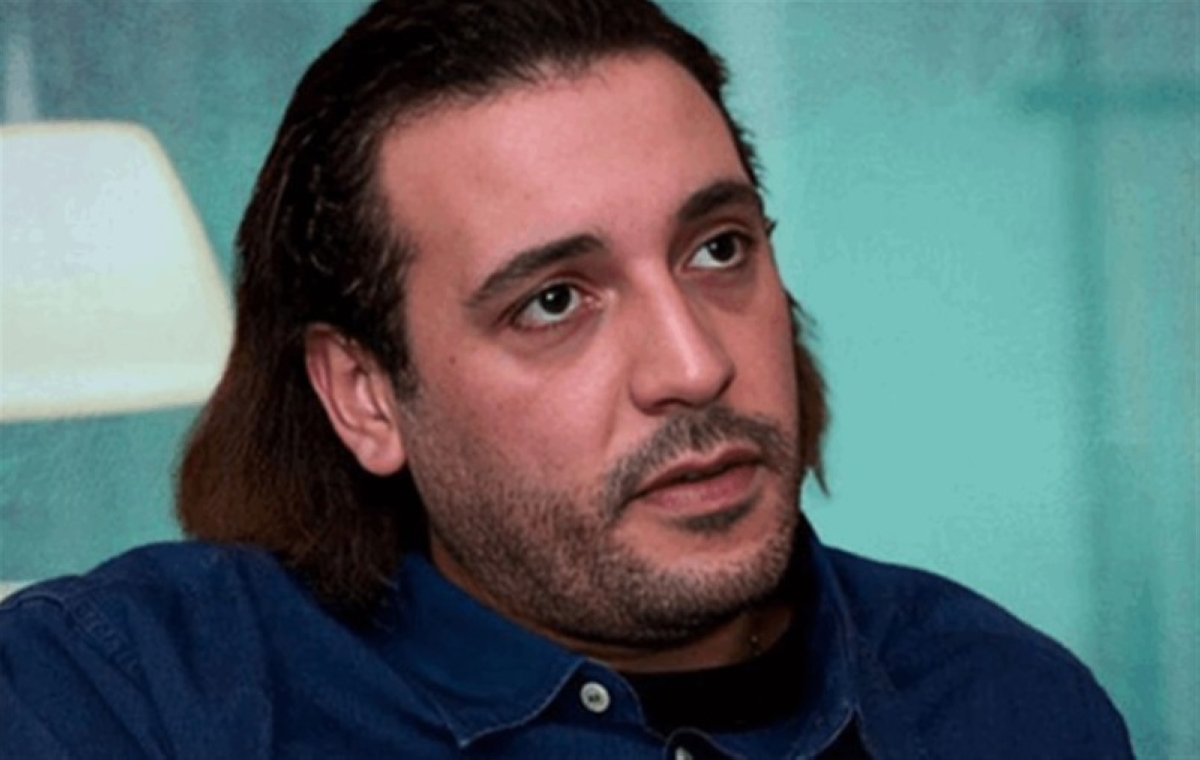
رغم صدور قرار إخلاء سبيله بعد عقدٍ من التوقيف في السجون اللبنانية، لا يبدو أن قضية هانيبال القذافي تتجه فعلاً نحو نهايتها. فخلف الحكم الذي أنهى سنوات سجنه، برزت تعقيدات جديدة تتعلق بشروط الإفراج عنه، وبما إذا كان القرار قد أعاد إليه حريته فعلاً أم أنه أبقاه في دائرة القيود القانونية.
حرية مشروطة
القرار الصادر في السابع عشر من أكتوبر الماضي قضى بإطلاق سراح نجل الزعيم الليبي الراحل مقابل كفالة مالية بلغت 11 مليون دولار، وهو مبلغ وُصف من قبل فريق الدفاع بأنه «تعجيزي» وغير مبرر قانونياً. فالقذافي، الذي لا يملك هذا المبلغ، يجد نفسه أمام معادلة غير منطقية: الحرية المشروطة بثروة غير متاحة. وهو ما يثير أسئلة قانونية وأخلاقية عن طبيعة الكفالة وأهدافها، وعن مدى انسجامها مع مبدأ العدالة في حالات الاحتجاز الطويل. مع الإشارة إلى أنه أوقف في لبنان عام 2015 بتهمة كتم معلومات تتعلق باختفاء الإمام موسى الصدر ورفيقيه خلال زيارتهم إلى ليبيا عام 1978.
في المقابل، لا يزال قرار منع السفر سارياً، وهو ما ينسف، وفق فريق الدفاع، مضمون إخلاء السبيل الذي يفترض أن يعيد له كامل حقوقه. فكيف يمكن الحديث عن إطلاق سراح إذا كان المفرَج عنه عاجزاً عن مغادرة البلاد أو ممارسة أبسط حقوقه الشخصية؟
حديث عن صفقة
وفي بيان صدر في الساعات القليلة الماضية، جدد الفريق القانوني اعتراضه على الكفالة ومنع السفر، معتبراً أن «مبدأ الكفالة بحد ذاته مرفوض قانوناً، ويُعد استمراراً للظلم الواقع على هانيبال منذ أكثر من عشر سنوات، ويتعارض مع أبسط قواعد العدالة». كما أكد أن «قرار منع السفر يشكّل تقييداً مستمراً لحريته، ويتنافى مع مضمون قرار إخلاء السبيل الذي يفترض أن يعيد له كامل حقوقه وحريته، وهو وحده من يقرر إلى أي وجهة يريد الذهاب بعد فك كافة القيود القانونية».
إلى ذلك، نفى الفريق تلقي أي عروض أو اتصالات دولية بشأن تسوية أو صفقة، مشدداً على أن القضية قانونية وإنسانية بحتة، ولا يجوز ربطها بأي ملفات سياسية أو تفاوضية، داعياً وسائل الإعلام إلى توخي الدقة في نقل المعلومات وتجنّب الأخبار غير الموثوقة التي قد تُضلّل الرأي العام.
وبين كفالة لا يمكن تسديدها وقيود لم تُرفع بعد، يبقى مصير هانيبال القذافي معلقاً بين قرارات متناقضة وعدالة مؤجلة. فهل تنتهي قضيته فعلاً مع الحكم الأخير، أم أنها ستبقى عالقة في متاهة السياسة والقضاء؟
Despite the issuance of a release order after a decade of detention in Lebanese prisons, it does not seem that the case of Hannibal Gaddafi is truly heading towards its conclusion. Behind the ruling that ended his years of imprisonment, new complications have arisen regarding the conditions of his release, and whether the decision has actually restored his freedom or kept him within a circle of legal restrictions.
Conditional Freedom
The decision issued on October 17th mandated the release of the son of the late Libyan leader in exchange for a financial bail set at 11 million dollars, an amount described by the defense team as "impossible" and legally unjustified. Gaddafi, who does not possess this amount, finds himself in an illogical equation: freedom conditional on an unavailable fortune. This raises legal and ethical questions about the nature of the bail and its objectives, and about the extent to which it aligns with the principle of justice in cases of long detention. It is worth noting that he was detained in Lebanon in 2015 on charges of withholding information related to the disappearance of Imam Musa al-Sadr and his companions during their visit to Libya in 1978.
In contrast, the travel ban remains in effect, which, according to the defense team, undermines the essence of the release order that is supposed to restore all his rights. How can one talk about release if the released individual is unable to leave the country or exercise the simplest of his personal rights?
Talk of a Deal
In a statement issued in the past few hours, the legal team reiterated its objection to the bail and the travel ban, considering that "the principle of bail itself is legally rejected, and constitutes a continuation of the injustice faced by Hannibal for more than ten years, contradicting the simplest rules of justice." They also affirmed that "the travel ban represents a continuous restriction of his freedom, and contradicts the essence of the release order which is supposed to restore all his rights and freedom, and he alone should decide to which destination he wants to go after lifting all legal restrictions."
Furthermore, the team denied receiving any offers or international contacts regarding a settlement or deal, emphasizing that the case is purely legal and humanitarian, and should not be linked to any political or negotiating files, calling on the media to be precise in conveying information and to avoid unreliable news that may mislead public opinion.
Between a bail that cannot be paid and restrictions that have not yet been lifted, Hannibal Gaddafi's fate remains suspended between contradictory decisions and delayed justice. Will his case truly end with the latest ruling, or will it remain stuck in the maze of politics and the judiciary?