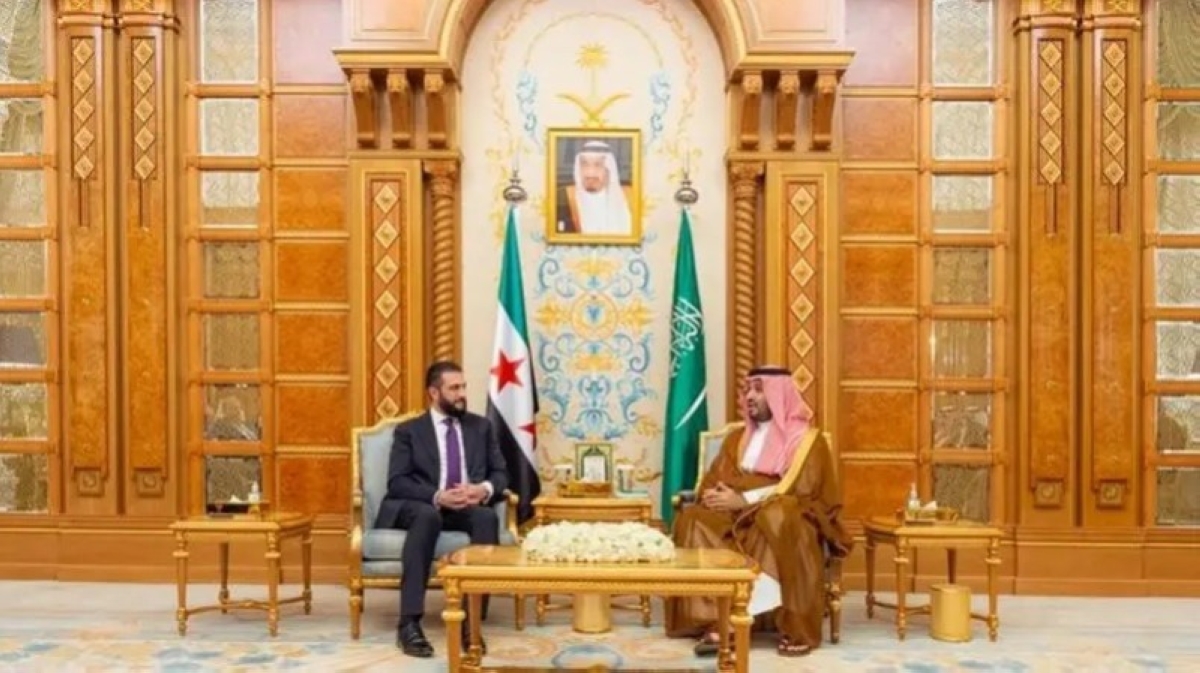
ما يزال وزير الخارجية الراحل الأمير سعود الفيصل ماثلا في أذهان الشعب السوري، وهو الذي حمل مسؤولية ملف بلدهم على المستوى الدولي، وكان هذا الأمر من مرتكزات السياسة الخارجية للمملكة تجاه الشعب السوري.
السياسة السعودية الداعمة للاستقرار في سورية ليست جديدة، بل لها أساس تاريخي منذ الاستقلال السوري، إذ كانت اللقاءات الثنائية بين الملك الراحل عبدالعزيز والرئيس شكري القوتلي، لا تتوقف في ظل الهيمنة البريطانية والفرنسية على المنطقة، بل كانت نتيجة الجهود السورية - السعودية ولادة الجامعة العربية عام 1945، وظلت السعودية طوال سنوات الصراع في سورية الحديقة الخلفية الآمنة لسورية ضد محاولات ضمها إلى أحلاف إقليمية، وبقيت العلاقات السعودية- السورية حجر أساس في استقرار المنطقة خصوصا أن سورية كانت من أوائل الدول التي نالت الاستقلال من فرنسا لتكون في تلك اللحظة في عين العاصفة نتيجة حداثة التجربة في الحكم (كما هو الوضع الحالي)، بل كانت السعودية حريصة على ربط العلاقات سياسيا واقتصاديا وأمنيا لما للبلدين من عمق إستراتيجي، إذ تمثل السعودية نقطة الربط بين آسيا، فيما تمثل سورية نقطة الارتباط الجغرافي بأوروبا ومجاورة تركيا.
زيارة ونقطة تحول
شكلت زيارة الملك سعود إلى سورية في أبريل عام 1953 نقطة تحول في العلاقات بين البلدين، إذ كان الرئيس أديب الشيشكلي حاكم سورية في تلك المرحلة، وكانت هذه الزيارة بمثابة إشارة بالغة الأهمية إلى الأطراف التي كانت تريد ضم سورية -آنذاك- إلى العراق.
ومن يقرأ الجغرافيا والتاريخ يدرك أن قدر السعودية وسورية هو التحالف على المستويات كافة، ذلك أن الخيارات الجيوسياسية للبلدين تخلص إلى نتيجة واحدة وهي أن تحالف «س – س» في إشارة إلى السعودية وسورية هو المسار الأكثر تأثيرا على المنطقة، زد على ذلك المد العاطفي بين الشعبين، وكانت مواقف الشعبين على مر العقود الماضية تثبت صحة العلاقة ونجاعتها سياسيا واقتصاديا واجتماعيا.
المسار العربي الأول
اليوم بعد وصول الرئيس أحمد الشرع إلى الحكم، كانت المملكة من أوائل الدول التي اندفعت إلى دمشق للأسباب الآنفة على مستوى العلاقات التاريخية وطبيعة التداخل في المصالح والأولويات، كانت زيارة وزير الخارجية الأمير فيصل بن فرحان إلى دمشق في الأول من فبراير المسار العربي الأول الذي رسم خطوط العلاقة ببن الرياض ودمشق، وبعد هذه الزيارة اندفعت دول مجلس التعاون الخليجي إلى سورية لإرسال ذات الرسالة السعودية إلى دمشق، ذلك أن مقولة «(إذا كانت دمشق بخير فالخليج بخير)، تصدرت السياسة السعودية والخليجية عموما، ولعل تجربة العراق بعد انهيار نظام صدام حسين ودخول العراق في الفوضى من أصعب الدروس التي مرت على المنطقة والذي دفعت ثمنه دول المنطقة، لذا فإن الدرس السوري اليوم هو تطبيق عملي لمبدأ التضامن العربي الذي كان من أساسيات الجامعة العربية على المستوى النظري، إذ حولته السعودية إلى نظرية قابلة للتطبيق على الحالة السورية».
توفير كل أنواع الدعم
لكن هل هذا يكفي لتكون العلاقة السعودية - السورية على الطريق الصحيح؟
لقد خرجت سورية للتو من حرب كبيرة على مدى 14 عاما، أدت إلى تمزيق سورية اجتماعيا وتدميرها اقتصاديا وتحويلها إلى ساحة صراع مليشياوية متخمة بالانفلات وانتشار السلاح، ويمكن القول إن سورية الآن بفعل سنوات الحرب وآثارها في المستوى صفر من مرحلة بناء الدولة، وهو ما جعل المملكة تدرك واقع الحال، لذا كانت كل التوصيات السعودية السياسية والاقتصادية توفير كل أنواع الدعم لسورية، لذا كان مركز الملك سلمان للإغاثة والأعمال الإنسانية من أول المندفعين إلى سورية لتوفير القسم الأول من الإستراتيجية السعودية وهي الدعم الإنساني، بل إن دور ولي العهد الأمير محمد بن سلمان كان واضحا في التأثير على قرار الرئيس الأمريكي دونالد ترمب في رفع العقوبات عن سورية خلال زيارته إلى الرياض وإعلانه ذلك في 14 مايو الماضي، لتدشن السعودية أول علاقة أمريكية سورية منذ الاستقلال عام 1946.
استنفار شعبي وحكومي
لكن هل يمكن للسعودية وحدها أن تحل كل قضايا التاريخ في سورية، التي عاث بها نظام الأسد الأب والابن على مدى عقود من الزمن، وهل يمكن لهذا الموقف السعودي أن يصنع الفرق ما لم تكن هناك حوامل ذهنية وإمكانات سورية لتغيير هذا المسار البعثي العبثي.!؟
إن هذه المرحلة الحالية قد تكون أصعب المراحل التي تمر بها سورية في العصر الحديث، والتي تتطلب استنفارا شعبيا وحكوميا، وقرارات حقيقية تناسب طبيعة المرحلة، بل إن طرق الحوكمة لدولة مثل سورية أهم الأساليب لتمكين مؤسسات الحكم من إثبات دورها وأهليتها وقدرتها على استيعاب الدعم في شتى المجالات، إن أي عملية دعم اقتصادية أو أمنية أو سياسية لن تأتي بالنتيجة الحقيقية المطلوية لدولة مثل سورية ما لم يكون هناك حوامل على أرض الواقع، وبالتالي فإن العمل يبدأ من الداخل لا من الخارج، فإن كانت هناك بيئة سورية ناضجة للدعم الخارجي، ذلك سيحول سورية إلى دولة استقطاب للدعم الخارجي.
الحل الأكثر جدوى
إن الاختبار الحقيقي اليوم لإرادة السوريين جميعا في إعادة بناء هذا البلد الذي اختطف عن العالم العربي منذ العام 1963، والمسؤولية أيضا على كل التيارات السورية أن تضع خبرتها أمام الدولة الجديدة، لكن تجارب الكثير من الدول تشير إلى أن التشاركية واستقطاب الخبرات وبناء الدولة على أساس المواطنة هو الحل الأكثر جدوى في الحالة السورية.
إن نجاح التجربة السعودية في سورية، يقود إلى معادلة ذهبية مفادها الأمن الإقليمي والاستقرار الاقتصادي، إنها معادلة (س- س)، التي من شأنها أن تغير شكل العلاقات العربية والإقليمية لما للسعودية وسورية من تموضع جغرافي نادر، وبالتالي فإن هذه المعادلة ستكون كيمياء الشرق الأوسط.
The late Foreign Minister Prince Saud Al-Faisal remains vivid in the minds of the Syrian people, as he bore the responsibility for their country's file on the international level. This was one of the cornerstones of the Kingdom's foreign policy towards the Syrian people.
The Saudi policy supporting stability in Syria is not new; it has historical roots since Syrian independence. The bilateral meetings between the late King Abdulaziz and President Shukri al-Quwatli did not cease in the face of British and French hegemony over the region. The efforts of Syria and Saudi Arabia led to the birth of the Arab League in 1945. Throughout the years of conflict in Syria, Saudi Arabia remained a safe backyard for Syria against attempts to annex it into regional alliances. The Saudi-Syrian relations remained a cornerstone for the stability of the region, especially since Syria was one of the first countries to gain independence from France, making it, at that moment, at the eye of the storm due to the novelty of the governance experience (as is the current situation). Moreover, Saudi Arabia was keen to politically, economically, and security-wise link relations due to the strategic depth of both countries, as Saudi Arabia represents the connecting point between Asia, while Syria represents the geographical link to Europe and neighboring Turkey.
A Visit and a Turning Point
King Saud's visit to Syria in April 1953 marked a turning point in the relations between the two countries, as President Adib al-Shishakli was the ruler of Syria at that time. This visit served as a significant signal to the parties that wanted to annex Syria to Iraq back then.
Anyone who reads geography and history realizes that the destiny of Saudi Arabia and Syria is to ally on all levels, as the geopolitical options for both countries lead to one conclusion: the "S-S" alliance, referring to Saudi Arabia and Syria, is the most influential path in the region. Additionally, there is an emotional bond between the two peoples, and the positions of both peoples over the past decades have proven the validity and effectiveness of their relationship politically, economically, and socially.
The First Arab Path
Today, after President Ahmad al-Shara' came to power, the Kingdom was one of the first countries to rush to Damascus for the aforementioned reasons regarding historical relations and the nature of overlapping interests and priorities. The visit of Foreign Minister Prince Faisal bin Farhan to Damascus on February 1 was the first Arab path that outlined the lines of the relationship between Riyadh and Damascus. After this visit, the Gulf Cooperation Council countries rushed to Syria to send the same Saudi message to Damascus, as the saying "(If Damascus is well, then the Gulf is well)" topped Saudi and Gulf policy in general. Perhaps the experience of Iraq after the collapse of Saddam Hussein's regime and the ensuing chaos is one of the hardest lessons the region has faced, which the countries of the region paid the price for. Thus, the Syrian lesson today is a practical application of the principle of Arab solidarity that was one of the fundamentals of the Arab League at the theoretical level, which Saudi Arabia has transformed into a theory applicable to the Syrian case.
Providing All Types of Support
But is this enough for the Saudi-Syrian relationship to be on the right track?
Syria has just emerged from a major war lasting 14 years, which led to the social fragmentation of Syria, its economic destruction, and its transformation into a militia-infested battleground filled with chaos and the proliferation of weapons. It can be said that Syria is now, due to the years of war and its effects, at ground zero in the state-building phase, which made the Kingdom aware of the reality on the ground. Therefore, all Saudi political and economic recommendations focused on providing all types of support to Syria. The King Salman Humanitarian Aid and Relief Center was among the first to rush to Syria to provide the first part of the Saudi strategy, which is humanitarian support. Moreover, the role of Crown Prince Mohammed bin Salman was evident in influencing U.S. President Donald Trump's decision to lift sanctions on Syria during his visit to Riyadh, announcing it on May 14, marking the first U.S.-Syrian relationship since independence in 1946.
Popular and Government Mobilization
But can Saudi Arabia alone resolve all the historical issues in Syria, which have been wreaked havoc by the Assad regime, both father and son, over decades? Can this Saudi stance make a difference unless there are mental frameworks and Syrian capabilities to change this chaotic Ba'athist course?!
This current phase may be the most challenging that Syria has faced in modern times, requiring popular and governmental mobilization, and real decisions that fit the nature of the phase. Moreover, governance methods for a state like Syria are among the most important ways to empower governance institutions to prove their role, eligibility, and ability to absorb support in various fields. Any economic, security, or political support will not yield the desired results for a state like Syria unless there are real frameworks on the ground. Therefore, the work must begin from within, not from outside. If there is a mature Syrian environment for external support, it will transform Syria into a state that attracts external support.
The Most Feasible Solution
The real test today is the will of all Syrians to rebuild this country, which has been detached from the Arab world since 1963. The responsibility also lies with all Syrian factions to present their expertise to the new state. However, the experiences of many countries indicate that participation, attracting expertise, and building the state on the basis of citizenship is the most feasible solution in the Syrian case.
The success of the Saudi experience in Syria leads to a golden equation of regional security and economic stability. It is the equation of "S-S," which has the potential to change the shape of Arab and regional relations due to the rare geographical positioning of Saudi Arabia and Syria. Thus, this equation will be the chemistry of the Middle East.