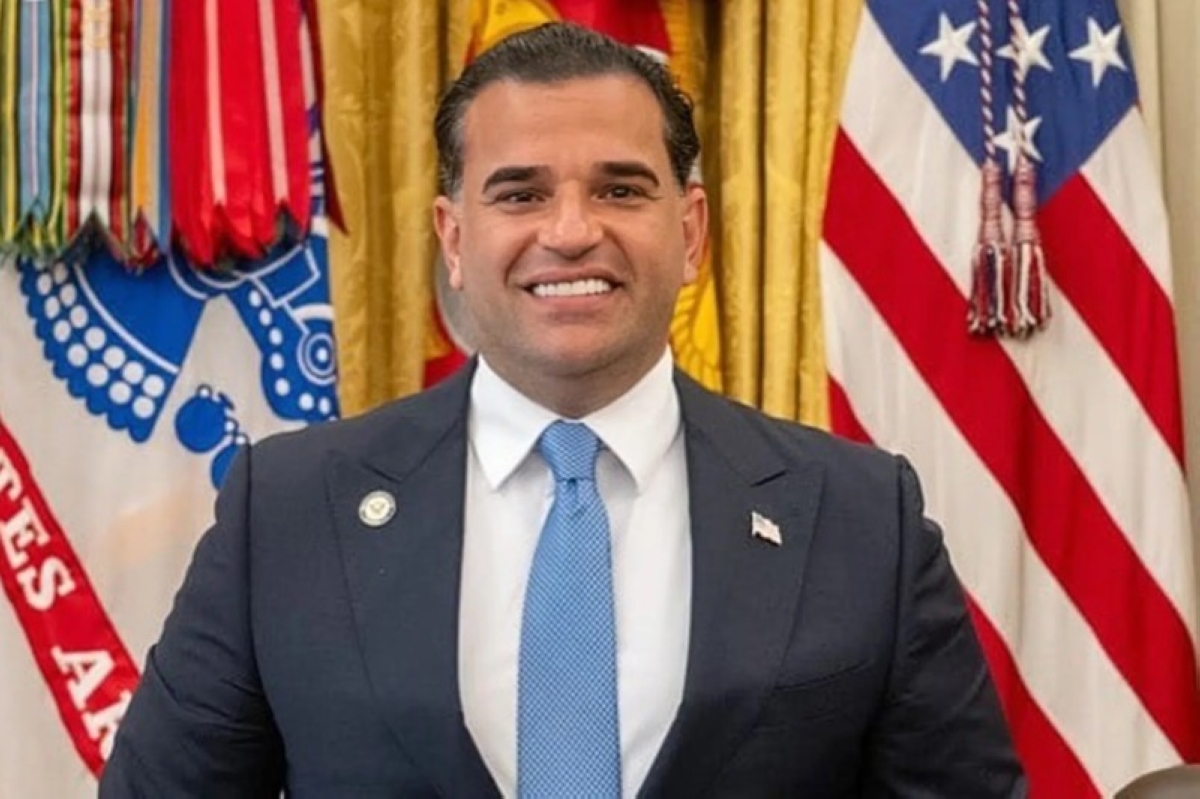
تستعد العاصمة العراقية بغداد لاستقبال المبعوث الأمريكي الجديد مارك سافايا، في زيارة تعد الأولى له منذ توليه منصبه، بالتزامن مع اقتراب موعد الانتخابات البرلمانية المقرر إجراؤها في الحادي عشر من نوفمبر القادم.
وتأتي هذه الخطوة لتؤكد على الاهتمام الأمريكي بالملف العراقي كواحد من أولويات إدارة الرئيس دونالد ترمب.
متابعة الانتخابات
وأفادت مصادر لـ«عكاظ»أن زيارة سافايا ستمكنه من متابعة سير العملية الانتخابية عن كثب، في ظل مؤشرات واضحة على أن الولايات المتحدة عازمة على أن تكون بنية الحكومة العراقية القادمة مختلفة تماماً عن سابقاتها.
وعلمت «عكاظ» من تلك المصادر أن مبعوث ترمب الجديد الى العراق سيصل إلى بغداد في بداية الشهر القادم كأول زيارة له بعد تسميته مبعوثاً خاصاً للولايات المتحدة. وتتزامن هذه الزيارة مع الانتخابات البرلمانية التي ستجري يوم 11 نوفمبر، مما سيمكّنه من الإطلاع عن قرب أكثر على آلية الانتخابات والطريقة التي ستجري فيها.
ويأتي هذا التحرك في سياق التركيز الأمريكي المتزايد على الملف العراقي خلال ولاية ترمب، وتعمل واشنطن على إنهاء نفوذ الفصائل المسلحة وتغلغلها وسيطرتها على القرار السياسي والأمني في البلاد.
رفض التدخل الخارجي
وفي هذا الصدد، أصبح «الإطار التنسيقي» في العراق على يقين من أن الولايات المتحدة جادة جداً بخطواتها تجاه العراق، وأنها لن تسمح بأي تدخل خارجي خاصةً فيما يتعلق بتشكيل الحكومات العراقية.
وبدأت أطراف الإطار التنسيقي بخطى سريعة للبحث عن رئيس حكومة حتى وإن كان شخصية مستقلة غير مرشحة للانتخابات. وتهدف هذه المساعي إلى محاولة احتواء الضغط الأمريكي الكبير وشراء الوقت، ولو كان ذلك لفترة محدودة قد تصل إلى سنتين أو ثلاث، بانتظار انتهاء فترة رئاسة دونالد ترمب.
ويواجه الإطار التنسيقي قلقاً متصاعداً من مسألة الأحزاب والشخصيات المرتبطة بالفصائل المسلحة التي عاقبتها وزارة الخزانة الأمريكية أخيراً، وتبدي هذه الجهات تصميماً على الدخول وبقوة في الانتخابات البرلمانية القادمة. ويثير هذا التطور مخاوف من التساؤل حول مصير نتائج الانتخابات في حال فوزهم بـ«مقاعد نيابية غير قليلة»، والخشية من احتمال عدم اعتراف الولايات المتحدة أو المجتمع الدولي بنتائجها.
على الصعيد الإقليمي، تشير المعطيات إلى أن إيران، وبعد مواجهتها الأخيرة مع إسرائيل وزيادة العقوبات الاقتصادية عليها من قبل الولايات المتحدة، وصلت إلى قناعة بضرورة وجود رئيس حكومة عراقية «مقبول أمريكياً لكن ليس معادياً لايران»، بحيث يتولى دور ترطيب الأجواء بين طهران وواشنطن.
رفع مستوى التعامل مع العراق
يُعد تعيين مبعوث خاص للرئيس الأمريكي إلى العراق، مثل مارك سافايا، مؤشراً على رفع مستوى التعامل مع الملف العراقي من مجرد قضايا دبلوماسية روتينية إلى ملف مهم يدار مباشرة من البيت الأبيض أو عبر شخصيات ذات ثقل سياسي خاص. ويعكس هذا التوجه الإيمان بأن المصالح الأمريكية تتطلب وجود قناة تواصل عليا ومباشرة وضمان تشكيل حكومة قادرة على الانفتاح الاقتصادي والأمني على واشنطن. وكون سافايا المنحدر من أصول عراقية مبعوثاً «لترمب»، فهذا يمنحه صلاحيات تتجاوز الدور التقليدي للسفير، مما يجعله المحرك الفعلي للسياسة الأمريكية في بغداد.
ومن المتوقع أن يختلف توزيع المناصب السيادية في الحكومة القادمة عن السابق في طريقة التفاهم والمحاصصة، وقد نشهد حضوراً كبيراً «لكفاءات مستقلة فيها ابتداء من أعلى هرم السلطة الى بقية المناصب المتعلقة بالاقتصاد ونهضة العراق».
تؤكد هذه التحركات والضغوط الأمريكية أن المشهد السياسي العراقي يدخل مرحلة من التحول الجذري لم تعد فيها معادلات ما بعد 2003 هي السائدة. إن الإصرار على حضور الكفاءات المستقلة ليس مجرد تغيير في الأسماء، بل هو إعادة هيكلة لمؤسسات الدولة لضمان تماشيها مع الأجندات الأمريكية الهادفة إلى عزل الفصائل المسلحة.
The Iraqi capital, Baghdad, is preparing to welcome the new American envoy, Mark Savaia, on a visit that marks his first since taking office, coinciding with the approaching date of the parliamentary elections scheduled for November 11.
This step reaffirms American interest in the Iraqi file as one of the priorities of President Donald Trump's administration.
Monitoring the Elections
Sources informed “Okaz” that Savaia's visit will enable him to closely monitor the electoral process, amid clear indications that the United States is determined to ensure that the structure of the upcoming Iraqi government is completely different from its predecessors.
“Okaz” learned from those sources that Trump's new envoy to Iraq will arrive in Baghdad at the beginning of next month for his first visit after being appointed as the special envoy of the United States. This visit coincides with the parliamentary elections that will take place on November 11, allowing him to gain a closer insight into the electoral mechanism and the way it will be conducted.
This move comes within the context of the increasing American focus on the Iraqi file during Trump's presidency, as Washington works to end the influence of armed factions and their infiltration and control over political and security decisions in the country.
Rejection of Foreign Intervention
In this regard, the “Coordination Framework” in Iraq is convinced that the United States is very serious about its steps towards Iraq and that it will not allow any foreign intervention, especially concerning the formation of Iraqi governments.
Members of the Coordination Framework have begun to move quickly to search for a prime minister, even if it is an independent figure not nominated for the elections. These efforts aim to try to contain the significant American pressure and buy time, even if it is for a limited period of up to two or three years, waiting for the end of Donald Trump's presidency.
The Coordination Framework faces rising concerns regarding parties and figures linked to the armed factions that were recently sanctioned by the U.S. Treasury, and these entities show determination to enter strongly into the upcoming parliamentary elections. This development raises fears about the fate of the election results if they win “a considerable number of parliamentary seats,” and concerns about the possibility that the United States or the international community may not recognize the results.
Regionally, data indicates that Iran, after its recent confrontation with Israel and the increase in economic sanctions imposed on it by the United States, has come to the conclusion that there is a need for an Iraqi prime minister “acceptable to the U.S. but not hostile to Iran,” who would play a role in easing tensions between Tehran and Washington.
Raising the Level of Engagement with Iraq
The appointment of a special envoy from the U.S. president to Iraq, such as Mark Savaia, is an indication of raising the level of engagement with the Iraqi file from mere routine diplomatic issues to an important file managed directly from the White House or through politically significant figures. This trend reflects the belief that American interests require the existence of a high-level and direct communication channel and ensuring the formation of a government capable of economic and security openness to Washington. Given that Savaia has Iraqi roots, his role as “Trump's” envoy grants him powers that exceed the traditional role of an ambassador, making him the actual driver of American policy in Baghdad.
It is expected that the distribution of sovereign positions in the upcoming government will differ from the previous one in terms of understanding and power-sharing, and we may witness a significant presence of “independent competencies from the top of the power structure to other positions related to the economy and the revival of Iraq.”
These American moves and pressures confirm that the Iraqi political scene is entering a phase of radical transformation where the post-2003 equations are no longer dominant. The insistence on the presence of independent competencies is not merely a change of names, but a restructuring of state institutions to ensure their alignment with American agendas aimed at isolating armed factions.