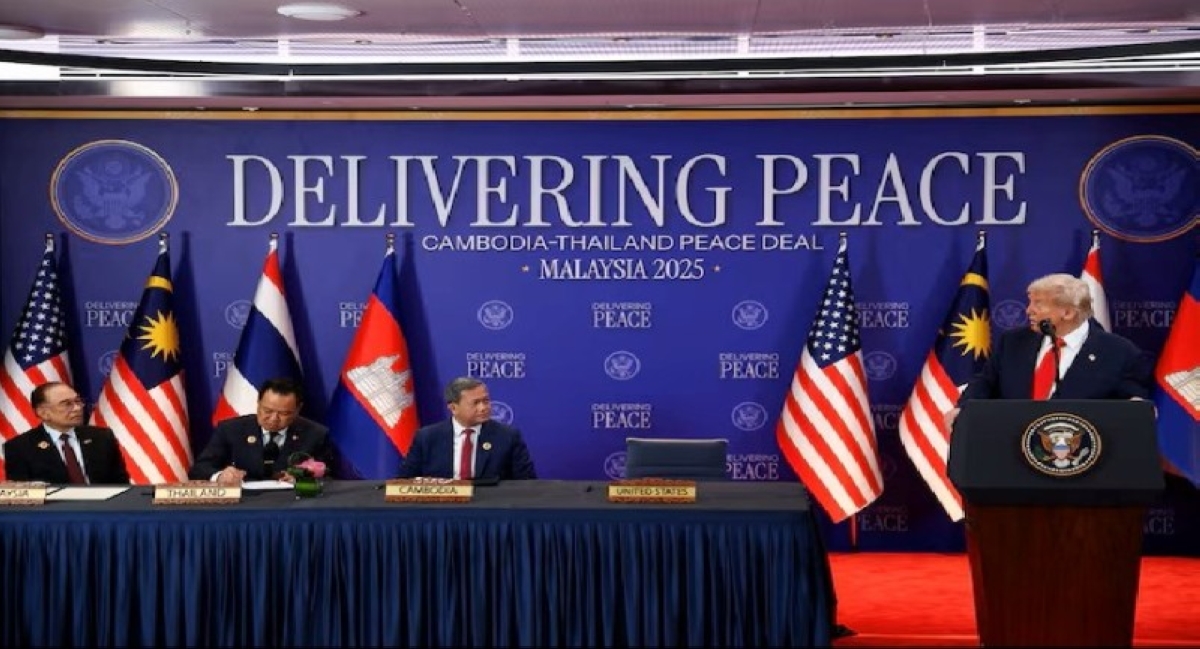
في خطوة لافتة تهدف إلى تعزيز النفوذ الاقتصادي الأمريكي في آسيا وتقليل الاعتماد على الصين، أعلن الرئيس الأمريكي دونالد ترمب، اليوم (الأحد)، توقيع سلسلة من الاتفاقيات التجارية والاستراتيجية مع كل من ماليزيا وتايلند وكمبوديا، خلال قمة رابطة دول جنوب شرق آسيا (الآسيان) المنعقدة في كوالالمبور.
وتشمل الصفقات الجديدة تعاونًا واسع النطاق في مجالات التجارة والمعادن الحيوية، في وقت تشدد فيه الصين قيودها على تصدير المعادن النادرة الضرورية لصناعات التكنولوجيا المتقدمة مثل الرقائق الإلكترونية والمركبات الكهربائية والمعدات العسكرية.
وبحسب بيان صادر عن البيت الأبيض، ستُبقي الولايات المتحدة على تعريفة جمركية بنسبة 19% على أغلب الواردات من الدول الثلاث، في حين ستمنح ماليزيا وتايلند وكمبوديا الشركات الأمريكية وصولًا تفضيليًا إلى أسواقها الصناعية والزراعية.
واتفقت ماليزيا على عدم فرض أي حظر أو قيود على صادرات المعادن الحيوية إلى الولايات المتحدة، بينما التزمت تايلند بإلغاء الرسوم الجمركية على نحو 99% من السلع الأمريكية، بما في ذلك المعدات الصناعية والمنتجات الزراعية والغذائية. كما تضمنت الاتفاقيات بنودًا لحماية حقوق العمال وتعزيز المعايير البيئية في الدول الثلاث.
وتأتي هذه الاتفاقيات عقب وساطة قادها ترمب بين تايلند وكمبوديا أدت إلى توقيع اتفاق وقف إطلاق نار موسع بعد أشهر من التوترات الحدودية. ويرى مراقبون أن التحركات الأمريكية الأخيرة في جنوب شرق آسيا تمثل تصعيدًا استراتيجيًا لمواجهة نفوذ الصين الاقتصادي المتزايد في المنطقة، لا سيما في قطاع المعادن الحيوية الذي يُعد محوريًا لمستقبل الصناعات المتقدمة.
In a notable step aimed at enhancing American economic influence in Asia and reducing dependence on China, U.S. President Donald Trump announced today (Sunday) the signing of a series of trade and strategic agreements with Malaysia, Thailand, and Cambodia during the ASEAN summit held in Kuala Lumpur.
The new deals include extensive cooperation in trade and critical minerals at a time when China is tightening restrictions on the export of rare minerals essential for advanced technology industries such as electronic chips, electric vehicles, and military equipment.
According to a statement from the White House, the United States will maintain a 19% tariff on most imports from the three countries, while granting Malaysia, Thailand, and Cambodia preferential access to its industrial and agricultural markets for American companies.
Malaysia agreed not to impose any bans or restrictions on the export of critical minerals to the United States, while Thailand committed to eliminating tariffs on about 99% of American goods, including industrial equipment and agricultural and food products. The agreements also included provisions to protect labor rights and enhance environmental standards in the three countries.
These agreements come after mediation led by Trump between Thailand and Cambodia, which resulted in the signing of an expanded ceasefire agreement following months of border tensions. Observers believe that recent American moves in Southeast Asia represent a strategic escalation to counter China's growing economic influence in the region, especially in the critical minerals sector, which is pivotal for the future of advanced industries.