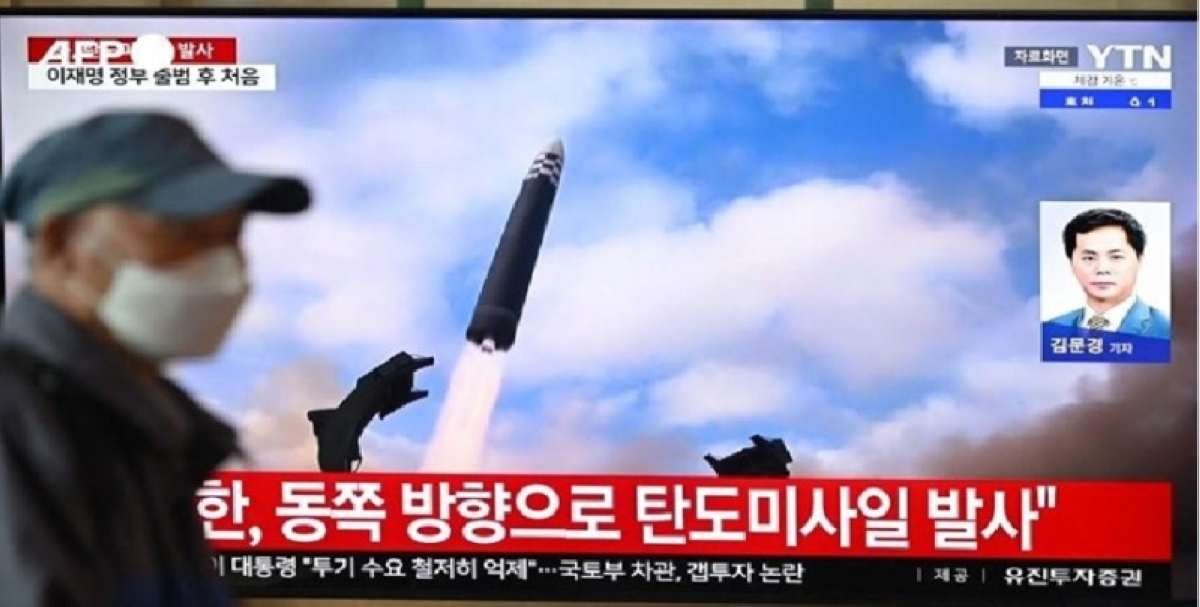
أقدمت كوريا الشمالية، صباح اليوم (الأربعاء)، على إطلاق صواريخ عدة باليستية قصيرة المدى يُعتقد أنها الأولى منذ أشهر عدة. وأعلنت هيئة الأركان المشتركة الكورية الجنوبية أنها رصدت «مقذوفات عدة، يُشتبه أنها صواريخ باليستية قصيرة المدى»، أُطلقت من منطقة جوخهوا بمحافظة شمالهيونغهاي، نحو الساعة 8:10 صباحاً بالتوقيت المحلي.
وبحسب المصدر ذاته، فقد طارت الصواريخ لمسافة تقدر بنحو 350 كيلومتراً، ما يجعلها خطوة لافتة في سياق التوتر المتصاعد في شبه الجزيرة الكورية.
ما يجعل هذا الإطلاق أكثر أهمية هو توقيته الحساس، إذ يأتي قبل أسبوع واحد فقط من وصول قادة دول، من بينهم الرئيس الأمريكي دونالد ترمب، إلى كوريا الجنوبية لحضور منتدى التعاون الاقتصادي لآسيا والمحيط الهادئ (APEC).
ويشير محللون إلى أن هذا التحرك قد يكون رسالة من زعيم كوريا الشمالية كيم جونغ أون لإثبات وجود النظام في وقت تستضيف فيه سيول حدثاً دولياً بارزاً، ولتأكيد أن مطالب واشنطن بنزع ترسانتها النووية لا تزال غير مقبولة من وجهة نظر بيونغ يانغ.
وكانت كوريا الشمالية قد عرضت أخيراً ما أطلقت عليه أقوى صاروخ باليستي عابر للقارات من طراز هواسونغ‑20، ووصفت مدى ضرباته بأنه «لا يعرف حدوداً». ثم اختبرت محركاً يعمل بالوقود الصلب من المفترض أن يُستخدم في صاروخ بعيد المدى، وأُعلنت أنه الاختبار التاسع والأخير للمحرك. أما نظرة كوريا الجنوبية والولايات المتحدة فكانتا على حالة يقظة مشددة، إذ أكدت سيول أنها رفعت مستوى مراقبتها وتنسّق معلوماتها مع واشنطن وطوكيو تحسّباً لإطلاقات إضافية محتملة.
ويعكس هذا الإطلاق مشهداً متجدداً من التحدّي والمناورة العسكرية في المنطقة، في وقت تُعقَد فيه لقاءات دبلوماسية كبيرة، ما يطرح تساؤلات حول ما إذا كان سيؤدي إلى تصعيد جديد أو فتح نافذة للحوار.
North Korea launched several short-range ballistic missiles this morning (Wednesday), believed to be the first in several months. The South Korean Joint Chiefs of Staff announced that they detected "several projectiles, suspected to be short-range ballistic missiles," launched from the Jocheon area in North Hamgyong Province, around 8:10 AM local time.
According to the same source, the missiles flew a distance estimated at about 350 kilometers, making it a significant step amid the rising tensions on the Korean Peninsula.
What makes this launch even more important is its sensitive timing, as it comes just one week before leaders from various countries, including U.S. President Donald Trump, arrive in South Korea to attend the Asia-Pacific Economic Cooperation (APEC) forum.
Analysts suggest that this move could be a message from North Korean leader Kim Jong Un to assert the regime's presence at a time when Seoul is hosting a major international event, and to emphasize that Washington's demands for denuclearization are still unacceptable from Pyongyang's perspective.
Recently, North Korea showcased what it called the strongest intercontinental ballistic missile, the Hwasong-20, describing its strike range as "limitless." It then tested a solid-fuel engine intended for a long-range missile, announcing it as the ninth and final test of the engine. Both South Korea and the United States remained on heightened alert, with Seoul confirming that it has increased its monitoring and is coordinating information with Washington and Tokyo in anticipation of potential additional launches.
This launch reflects a renewed scene of challenge and military maneuvering in the region, at a time when significant diplomatic meetings are taking place, raising questions about whether it will lead to a new escalation or open a window for dialogue.