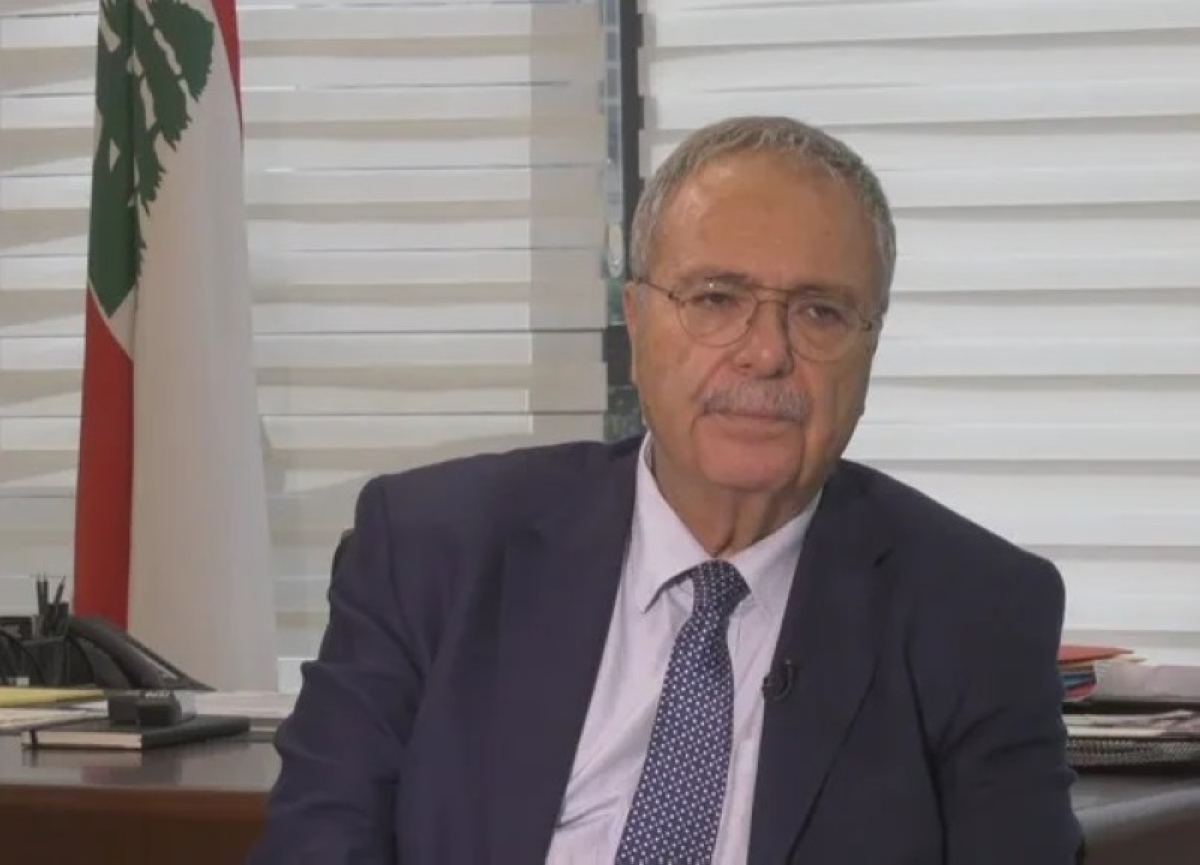
أكد نائب رئيس الحكومة اللبنانية طارق متري اليوم (الإثنين)، أن الجيش اللبناني يقوم بعمل جيد في تنفيذ خطة نزع السلاح، مبيناً أن الخطة في مرحلتها الأولى وستستكمل قريباً.
وأفصح متري في تصريحات صحفية عن وجود عوائق تتمثل في محدودية إمكانات الجيش، قائلاً: الأعمال العدائية الإسرائيلية تعيق عمل الجيش، مشيراً إلى أن المؤسسة العسكرية تتحين الفرص لأداء مهماتها وقد داهمت عدداً من المواقع ضمن الخطة المقررة.
ولفت إلى أن مواقف «حزب الله» العلنية تظهر رفضه لتسليم السلاح، مبيناً أن إسرائيل تواصل ضرب مواقع لبنانية منذ بدء الترتيبات الأمنية، ولا أحد يعرف نوايا إسرائيل وخططها الفعلية بشأن الاتفاق.
واعتبر نائب رئيس الحكومة اللبنانية أن تصريحات المبعوث الأمريكي توم براك الأخيرة صوّرت مستقبل لبنان بشكل دراماتيكي، موضحاً أن الحكومة تسعى لإبعاد البلاد عن شبح الحرب، مع التأكيد على ضرورة إجراء الانتخابات في موعدها.
وأشار إلى أن وجود «حزب الله» لم يمنع إسرائيل من احتلال خمسة مواقع داخل الأراضي اللبنانية.
وبدأ تنفيذ اتفاق وقف التصعيد بين لبنان وإسرائيل في 28 نوفمبر من العام الماضي، بعد سنة من المواجهات بين إسرائيل و«حزب الله»، وشدد على انسحاب القوات الإسرائيلية من الأراضي اللبنانية التي تحتلها في الجنوب، وتراجع «حزب الله» إلى شمال نهر الليطاني، وتسليم سلاح المجموعات المسلحة إلى الجيش، مع انتشار القوات اللبنانية في الجنوب، إلا أن إسرائيل لا تزال تتمركز في خمس نقاط في جنوب لبنان.
وأقرت الحكومة اللبنانية في أغسطس الماضي قرار تسليم سلاح الحزب، وكلفت الجيش بتنفيذه، على أن يقدم تقارير دورية إلى الحكومة حول تطورات مهمته هذه.
The Lebanese Deputy Prime Minister Tarek Metri confirmed today (Monday) that the Lebanese army is doing a good job in implementing the disarmament plan, noting that the plan is in its first phase and will be completed soon.
Metri revealed in press statements that there are obstacles represented by the limited capabilities of the army, stating: "Israeli hostile actions hinder the army's work," pointing out that the military institution is seizing opportunities to perform its tasks and has raided a number of sites as part of the planned strategy.
He noted that the public positions of "Hezbollah" show its refusal to hand over weapons, indicating that Israel continues to strike Lebanese sites since the start of the security arrangements, and no one knows Israel's intentions and actual plans regarding the agreement.
The Lebanese Deputy Prime Minister considered that the recent statements by U.S. envoy Tom Barak portrayed Lebanon's future dramatically, explaining that the government seeks to keep the country away from the specter of war, while emphasizing the necessity of holding elections on time.
He pointed out that the presence of "Hezbollah" has not prevented Israel from occupying five sites within Lebanese territory.
The implementation of the de-escalation agreement between Lebanon and Israel began on November 28 of last year, after a year of confrontations between Israel and "Hezbollah." It emphasized the withdrawal of Israeli forces from the Lebanese territories they occupy in the south, the retreat of "Hezbollah" to the north of the Litani River, and the handover of weapons from armed groups to the army, with the deployment of Lebanese forces in the south; however, Israel still maintains positions in five points in southern Lebanon.
The Lebanese government approved in August the decision to hand over the party's weapons and tasked the army with its implementation, requiring it to submit periodic reports to the government regarding the developments of this mission.