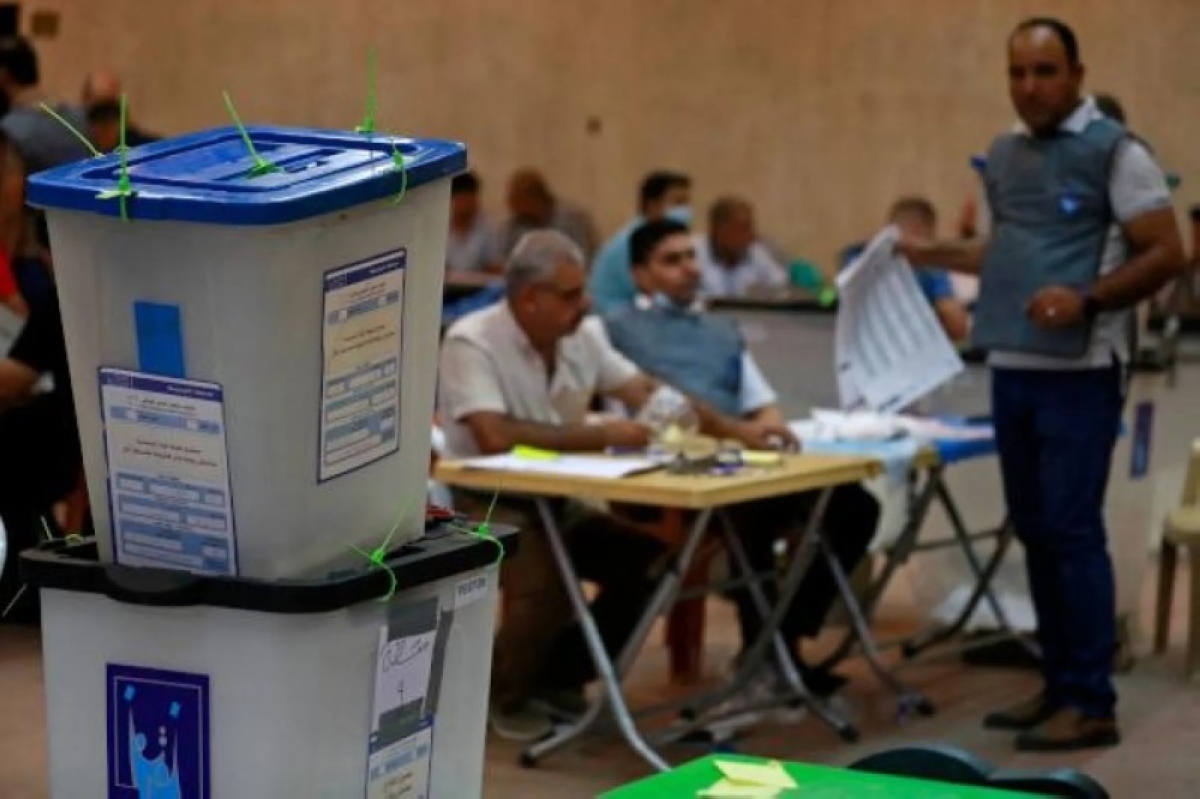
لا تزال الانقسامات الحادة والتوترات في الأوساط السياسية العراقية هي السمة الغالبة لعموم مشهد ما قبل الانتخابات القادمة، بدءاً من دعاوى قضائية تستهدف رأس السلطة التنفيذية، مروراً بموجة من العنف السياسي، واغتيالات، ومحاولات اغتيال مرشحين، وانتهاء بعدم اليقين من إجراء الانتخابات وتأجيلها أو إلغائها. وزارد الطين بِلة العقوبات الأمريكية الأخيرة بتداعياتها المعروفة على المشهد السياسي، والانقسامات المحتملة داخل الإطار التنسيقي الذي يمثل الحزب الحاكم.
تعقيدات المشهد السياسي
وأدت العقوبات التي أصدرتها وزارة الخزانة الأمريكية أخيراً على أشخاص وكيانات وشركات عراقية مرتبطة بإيران، إلى تعقيد الصراعات السياسية القائمة. ونتيجة لذلك، انقسم «الإطار التنسيقي» إلى فريقين؛ يرى الفريق الأول ضرورة تأجيل الانتخابات إلى 12 مايو 2026، معللاً ذلك بالخشية من أن مشاركة الشخصيات والكيانات المعاقبة أمريكياً قد تعرقل الاعتراف الدولي بمخرجات الانتخابات، فيما يرى الفريق الثاني الذي يمثله رئيس الوزراء السابق نوري المالكي وقادة عدد من الفصائل المسلحة التي لها تمثيل نيابي وازن في البرلمان، أن تأجيل الانتخابات يعني انتهاء العملية السياسية وتقويض النظام السياسي القائم على هيمنة أحزاب بعينها على السلطة والموارد، لذلك لابد من إجراء الانتخابات في موعدها المقرر تحت أي ظرف كان.
ورصد مراقبون تحدثوا لـ«عكاظ» مساومة قادة في الحشدين (الشعبي والعشائري) منتسبيهم بتسليم ما بين 15 إلى 20 بطاقة انتخابية مسبقاً، على أن تُعاد قبل يوم واحد فقط من موعد التصويت، وإلزامهم بمنح أصواتهم لمرشحين محددين، خلاف ذلك يقوم قادة الحشد بحجب أو حرق البطاقات الانتخابية لمن يرون أنه غير موالٍ لهم، أو أنه لن يعطي مرشحهم صوته وأصوات الآخرين الذين أحضر بطاقاتهم الانتخابية وطردهم من الحشد.
شكوى ضد السوداني
وعلى صعيد الصراع السياسي، قام عدد من أعضاء مجلس النواب بتقديم شكوى رسمية إلى رئيس جهاز الادعاء العام ضد رئيس مجلس الوزراء الحالي محمد شياع السوداني. وتتهم الشكوى السوداني بـ «استغلال منصبه لأغراض انتخابية بخروقات قانونية وإدارية ومالية»، معتبرين أن هذه الأفعال تمثل «إخلالاً بحسن السيرة والسلوك» حسب قانون انتخابات مجلس النواب ومجالس المحافظات والأقضية رقم 12 لسنة 2018.
وعلى المستوى الشعبي، صرح مصدر لـ«عكاظ» (رفض الكشف عن اسمه) أنه يجري حالياً الاستعداد للقيام بمظاهرات كبيرة قد تنطلق يوم 25 من الشهر الحالي، مشيراً إلى أن المظاهرات التي شهدتها البصرة قبل أيام بسبب شحّ المياه، وشهدت بعض المصادمات بين المتظاهرين والأجهزة الأمنية، قد أُوقفت بعد تدخل شخصية تنتسب لبيت ديني كبير. ورجح المصدر أن هذا التوقف قد يكون «حتى يكتمل الإعداد للمظاهرات المرتقبة».
اغتيالات وأحداث أمنية
أمنياً، لا يزال استهداف المرشحين يشغل حيزاً كبيراً من القلق، فبعد عملية اغتيال المرشح صفاء المشهداني في منطقة الطارمية، هاجمت مجموعة مسلحة مكتباً لعضو مجلس محافظة بغداد المرشح للانتخابات البرلمانية القادمة مثنى العزاوي في قضاء اليوسفية (25 كيلومتراً جنوب بغداد)، كما نجت عضو مجلس محافظة كربلاء ماجدة العرداوي من محاولة اغتيال.
وفي تطور آخر، أقدم مجهولون على حرق مكتب النائب السابق محما خليل في قضاء سنجار التابع لمحافظة نينوى.
وجاء الهجوم على مكتب العزاوي المرشح عن تحالف عزم بقيادة مثنى السامرائي بعد 3 أيام من اغتيال العضو الآخر في مجلس محافظة بغداد صفاء المشهداني، وهو مرشح للانتخابات البرلمانية ضمن «تحالف السيادة» بقيادة خميس الخنجر، إثر تفجير عبوة ناسفة بسيارته في قضاء الطارمية (40 كيلومتراً شمال بغداد).
يأتي هذا التصعيد المتعدد الأوجه من انقسام سياسي عميق حول موعد الانتخابات، إلى ضغوط أمنية وعسكرية على الناخبين والمرشحين، وصولاً إلى الملاحقات القضائية والحراك الشعبي المرتقب؛ ليضع مستقبل العملية الانتخابية برمتها في دائرة الخطر، وسط مخاوف جدية من شرعية مخرجاتها، أو حتى إمكانية إجرائها في الموعد المحدد.
The sharp divisions and tensions within the Iraqi political circles remain the dominant feature of the overall scene leading up to the upcoming elections, starting with lawsuits targeting the head of the executive authority, moving through a wave of political violence, assassinations, and assassination attempts on candidates, and ending with uncertainty regarding the conduct of the elections and the possibility of their postponement or cancellation. The recent American sanctions have further complicated the situation with their known implications on the political scene and the potential divisions within the coordinating framework that represents the ruling party.
Complications of the Political Scene
The sanctions recently issued by the U.S. Treasury Department against individuals, entities, and companies in Iraq linked to Iran have complicated the existing political conflicts. As a result, the "coordinating framework" has split into two teams; the first team believes that the elections should be postponed to May 12, 2026, arguing that the participation of individuals and entities sanctioned by the U.S. could hinder international recognition of the election outcomes, while the second team, represented by former Prime Minister Nouri al-Maliki and leaders of several armed factions with significant parliamentary representation, argues that postponing the elections would mean the end of the political process and undermine the existing political system dominated by certain parties over power and resources. Therefore, they insist that the elections must take place as scheduled under any circumstances.
Observers who spoke to "Okaz" noted that leaders in both the Popular and Tribal Mobilization forces are bargaining with their members to hand over between 15 to 20 electoral cards in advance, to be returned only one day before the voting date, and obliging them to cast their votes for specific candidates. Otherwise, the leaders of the mobilization forces will withhold or burn the electoral cards of those they see as unsupportive or who will not vote for their candidate, and expel them from the mobilization.
Complaint Against Al-Sudani
In the realm of political conflict, several members of the House of Representatives have filed an official complaint with the head of the Public Prosecution Office against the current Prime Minister Muhammad Shia al-Sudani. The complaint accuses al-Sudani of "exploiting his position for electoral purposes through legal, administrative, and financial violations," considering these actions to represent "a breach of good conduct" according to the Law of Elections for the House of Representatives and Provincial and District Councils No. 12 of 2018.
At the popular level, a source (who refused to disclose their name) told "Okaz" that preparations are currently underway for large demonstrations that may take place on the 25th of this month, indicating that the protests that occurred in Basra a few days ago due to water shortages, which witnessed some clashes between protesters and security forces, were halted after the intervention of a figure associated with a major religious house. The source speculated that this halt might be "to complete preparations for the anticipated demonstrations."
Assassinations and Security Events
On the security front, the targeting of candidates continues to be a significant source of concern. Following the assassination of candidate Safaa al-Mashhadani in the Tarmiya area, an armed group attacked the office of Baghdad Provincial Council member and candidate for the upcoming parliamentary elections, Muthana al-Izawi, in the Yusufiya district (25 kilometers south of Baghdad). Additionally, Karbala Provincial Council member Majda al-Ardawi survived an assassination attempt.
In another development, unknown assailants set fire to the office of former MP Mahma Khalil in the Sinjar district of Nineveh province.
The attack on al-Izawi's office, who is a candidate for the Azm Alliance led by Muthana al-Samarrai, came three days after the assassination of another member of the Baghdad Provincial Council, Safaa al-Mashhadani, who was a candidate for the parliamentary elections within the Sovereignty Alliance led by Khamis al-Khanjar, following the detonation of an explosive device in his car in the Tarmiya district (40 kilometers north of Baghdad).
This multifaceted escalation, ranging from deep political divisions over the election date to security and military pressures on voters and candidates, as well as judicial pursuits and the anticipated popular movement, places the future of the entire electoral process in jeopardy, amid serious concerns about the legitimacy of its outcomes or even the possibility of conducting it on the scheduled date.