


رفضت سلطات الاحتلال الإسرائيلي الدعوات الفلسطينية والدولية من أجل إعادة فتح معبر رفح بين مصر وقطاع غزة، لتسهيل دخول شاحنات المساعدات، وجددت التأكيد على أن هذا المعبر البري الحدودي «سيبقى مغلقاً حتى إشعار آخر». وأعلنت إعادة فتح معبر كرم أبو سالم لإدخال المساعدات إلى غزة، غداة غارات جوية شنتها على القطاع المنكوب عقب اتهامها حركة حماس بخرق اتفاق وقف إطلاق النار، وهو ما نفته الحركة.
وقال مسؤول عسكري إسرائيلي إن المعبر أعيد فتحه «بشكل كامل وفقاً للاتفاق الموقع» الذي بدأ تنفيذه في 10 أكتوبر، لكن السلطات الإسرائيلية أكدت، أمس الأحد، تعليق إدخال المساعدات إلى غزة بعد اتهامها حماس بانتهاك الاتفاق.
ورغم إعلان الاحتلال عودة العمل باتفاق وقف النار، فإنه واصل القصف المدفعي والجوي على غزة، اليوم.
ونص اتفاق وقف إطلاق النار على فتح كافة المعابر وإدخال المساعدات بمعدل 400 شاحنة يومياً على الأقل، خصوصاً أن قطاع غزة المدمر الذي رزح تحت حصار خانق على مدى السنتين الماضيتين، يعاني شحاً في الغذاء ومياه الشرب فضلاً عن الأدوات والمستلزمات الطبية.
ويشكل معبر رفح الواقع في أقصى جنوب القطاع على الحدود مع مصر، بمحاذاة صحراء سيناء، منفذاً حيوياً لسكان غزة.
ويعتبر الدخول عبر المعبر من الأراضي المصرية، أمراً بالغ الأهمية للعاملين الدوليين في المجال الإنساني، وللشاحنات التي تنقل المساعدات والمواد الغذائية، خصوصاً الوقود الضروري للحياة اليومية في قطاع محروم من الكهرباء.
أعلنت فتح كرم أبو سالم.. إسرائيل تصر على إغلاق معبر رفح
20 أكتوبر 2025 - 14:23
|
آخر تحديث 20 أكتوبر 2025 - 14:23
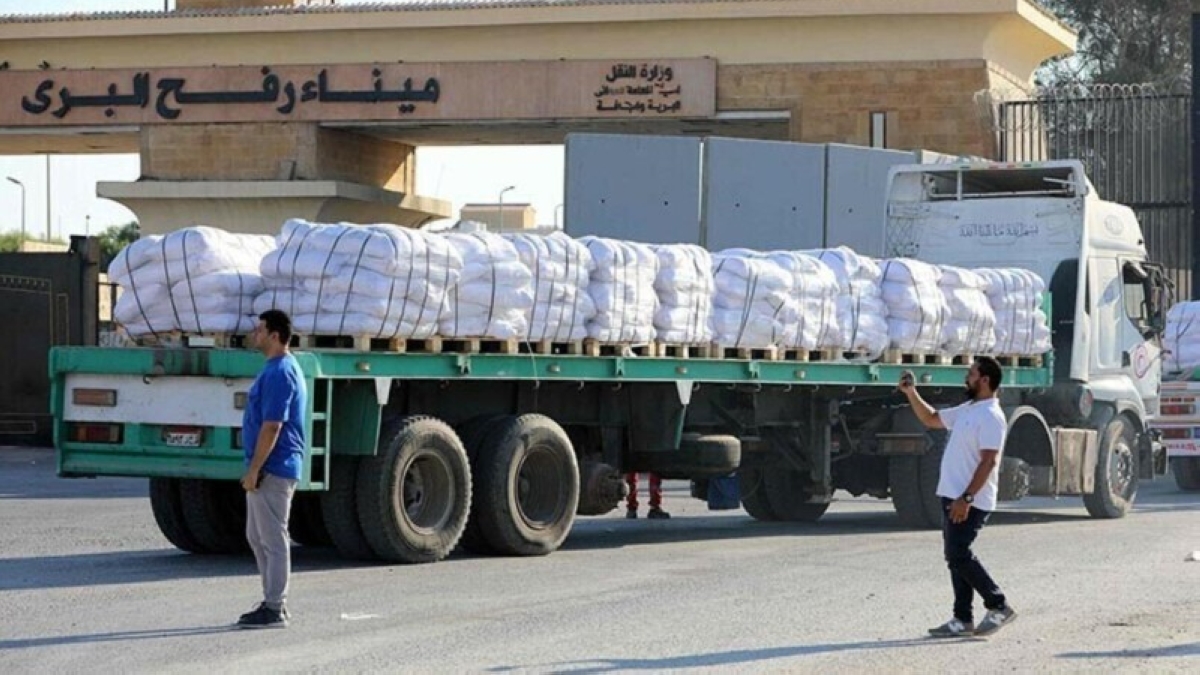
شاحنات مساعدات أمام معبر رفح.


تابع قناة عكاظ على الواتساب
«عكاظ» (جدة) okaz_online@
The Israeli occupation authorities rejected Palestinian and international calls to reopen the Rafah crossing between Egypt and the Gaza Strip to facilitate the entry of aid trucks, reiterating that this border crossing "will remain closed until further notice." They announced the reopening of the Kerem Shalom crossing to allow aid into Gaza, following airstrikes they launched on the besieged territory after accusing Hamas of violating the ceasefire agreement, which the movement denied.
An Israeli military official stated that the crossing was reopened "fully in accordance with the signed agreement" that began implementation on October 10, but Israeli authorities confirmed yesterday, Sunday, the suspension of aid entry into Gaza after accusing Hamas of violating the agreement.
Despite the occupation's announcement of the resumption of the ceasefire agreement, it continued artillery and air bombardments on Gaza today.
The ceasefire agreement stipulated the opening of all crossings and the entry of aid at a rate of at least 400 trucks daily, especially since the devastated Gaza Strip, which has been under a suffocating siege for the past two years, is suffering from a shortage of food and drinking water, in addition to medical supplies and equipment.
The Rafah crossing, located at the southernmost tip of the strip on the border with Egypt, adjacent to the Sinai Desert, is a vital outlet for the residents of Gaza.
Entry through the crossing from Egyptian territory is of utmost importance for international humanitarian workers and for trucks transporting aid and food supplies, especially the fuel essential for daily life in a territory deprived of electricity.
An Israeli military official stated that the crossing was reopened "fully in accordance with the signed agreement" that began implementation on October 10, but Israeli authorities confirmed yesterday, Sunday, the suspension of aid entry into Gaza after accusing Hamas of violating the agreement.
Despite the occupation's announcement of the resumption of the ceasefire agreement, it continued artillery and air bombardments on Gaza today.
The ceasefire agreement stipulated the opening of all crossings and the entry of aid at a rate of at least 400 trucks daily, especially since the devastated Gaza Strip, which has been under a suffocating siege for the past two years, is suffering from a shortage of food and drinking water, in addition to medical supplies and equipment.
The Rafah crossing, located at the southernmost tip of the strip on the border with Egypt, adjacent to the Sinai Desert, is a vital outlet for the residents of Gaza.
Entry through the crossing from Egyptian territory is of utmost importance for international humanitarian workers and for trucks transporting aid and food supplies, especially the fuel essential for daily life in a territory deprived of electricity.


