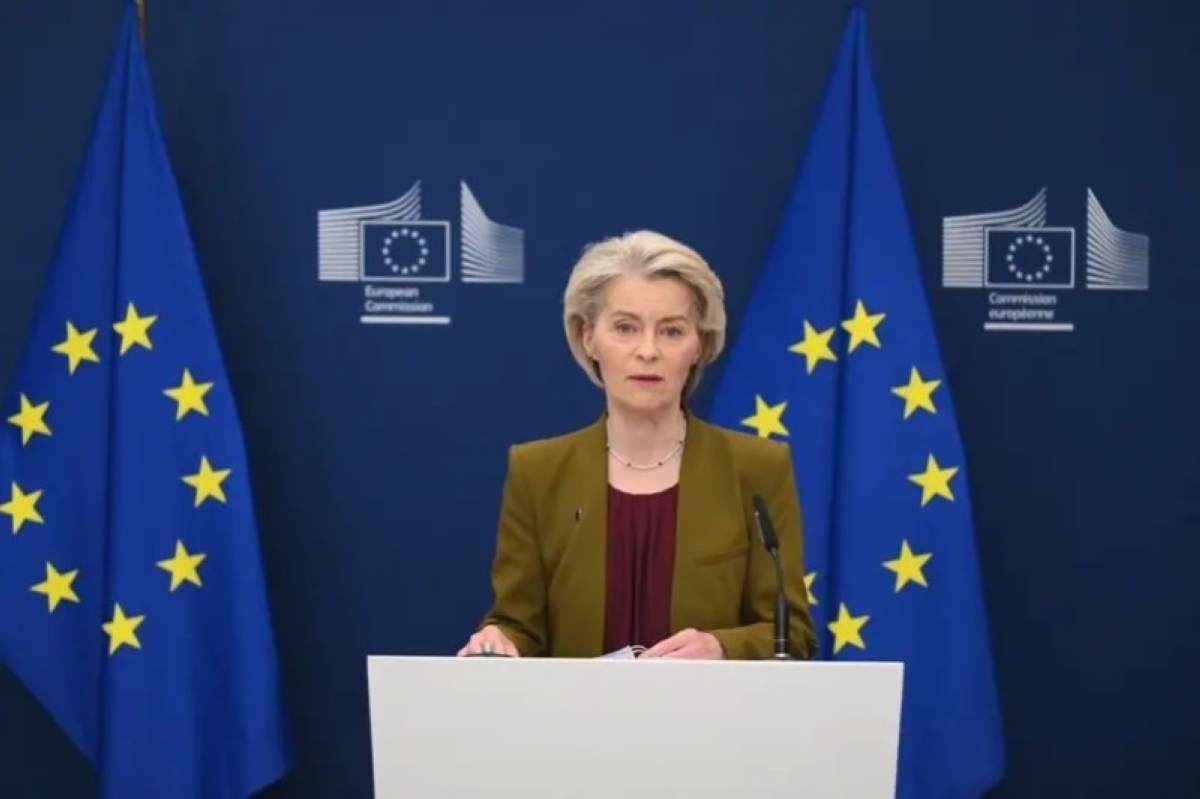
يدرس الاتحاد الأوروبي بشكل غير رسمي ضم دول جديدة من دون حقوق تصويت كاملة، في حين يلتقي وزراء خارجية القارة، اليوم (الاثنين)، في لوكسمبورغ لمناقشة ملفي أوكرانيا والشرق الأوسط وقضايا أخرى.
ونقلت صحيفة «بوليتيكو» عن مصادر مطلعة تأكيدها أن هناك مناقشات جرت في عواصم أوروبية لكسر الجمود حول توسيع الاتحاد الأوروبي. وكشفت أن الخطة التي يجري بحثها تسمح بانضمام دول جديدة إلى الاتحاد، دون التمتع بكامل حقوق التصويت في البداية، في محاولة لتسريع دخول دول مثل أوكرانيا ومولدوفا والجبل الأسود.
وأفادت المصادر بأن المقترح لا يزال في مراحله الأولى، ويتطلب موافقة جميع الدول الأعضاء الـ27، وينصّ على أن العضوية الكاملة تُمنح فقط بعد تنفيذ إصلاحات مؤسساتية تجعل من الصعب على أي دولة استخدام حقّ النقض (الفيتو) لتعطيل القرارات الأوروبية.
محاولة تجاوز العقبات
ووفق ما أوردت الصحيفة الأمريكية، فإن هذا الطرح جاء بعد اعتراضات من المجر وبعض الدول الأخرى على توسيع الاتحاد قبل إصلاح آلياته، خوفاً من تأثير ذلك على الأسواق أو الأمن القومي. ويُنظر إلى الخطة على أنها محاولة لتجاوز العقبات التي تعرقل مسار الانضمام منذ سنوات، خصوصاً مع التوترات بين بودابست وبروكسل بشأن دعم أوكرانيا.
وفي هذا السياق، قال رئيس لجنة الشؤون الأوروبية في البرلمان الألماني أنطون هوفرايتر،، إن الأعضاء الجدد يجب أن يتنازلوا مؤقتاً عن حقّ الفيتو حتى استكمال الإصلاحات، لأن توسيع الاتحاد لا يجب أن يُبطئه رفض دولة واحدة للتغيير.
آلية مرنة وقابلة للتطبيق
وتتيح الصيغة الجديدة للدول المرشحة التمتّع بمعظم مزايا العضوية الاقتصادية والسياسية، مثل الوصول إلى السوق الموحدة وبرامج الدعم، من دون منحها حق الاعتراض على القرارات في المرحلة الأولى.
واعتبر دبلوماسيون أوروبيون أن هذه الآلية مرنة وقابلة للتطبيق؛ لأنها لا تتطلب تعديل المعاهدات الأساسية للاتحاد.
وتدفع النمسا والسويد وألمانيا بهذا الاتجاه، إذ ترى أنه السبيل الوحيد للحفاظ على زخم التوسّع في مواجهة النفوذ الروسي المتزايد. وقالت وزيرة الشؤون الأوروبية في النمسا كلوديا بلاكولم، إن «التوسّع يجب أن يكون أسرع وأقل بيروقراطية، وإلا سيفقد الاتحاد الأوروبي موقعه لصالح قوى أخرى تتربص به.
أوكرانيا ومولدوفا في المقدمة
ويُنظر إلى انضمام أوكرانيا ومولدوفا باعتباره جزءاً من الاستراتيجية الأوروبية لمواجهة التوسّع الروسي، إذ جعلت رئيسة المفوضية الأوروبية أورسولا فون دير لاين من التوسّع محوراً أساسياً في خطتها حتى عام 2030.
ورغم الضغط السياسي، فإن بعض القادة الأوروبيين، مثل المستشار الألماني فريدريش ميرتس، استبعدوا انضمام أوكرانيا قبل عام 2034، مؤكدين أن تأثيرها المالي على ميزانية الاتحاد في المدى المتوسط سيكون محدوداً.
تزايد خيبة أمل البلقان
بالمقابل، تتزايد خيبة الأمل في دول البلقان الغربية التي تنتظر منذ سنوات الانضمام. وقال رئيس الجبل الأسود ياكوف ميلاتوفيتش: إن آخر دولة انضمت كانت كرواتيا قبل أكثر من عقد، بينما غادرت بريطانيا.. لذلك حان الوقت لإحياء فكرة الاتحاد كقوة جذب».
ويتوقع أن تطرح المفوضية الأوروبية قريباً ما يُعرف بـ«حزمة التوسّع»، التي تتضمن مقترحات لإصلاح آليات اتخاذ القرار داخل الاتحاد تمهيداً لاستقبال أعضاء جدد. ويخشى مراقبون أن يؤدي تقليص صلاحيات الأعضاء الجدد إلى خلق «درجات من العضوية» داخل الاتحاد، في سابقة ربما تهدد وحدة التكتل الأوروبي.
The European Union is informally studying the possibility of admitting new countries without full voting rights, while foreign ministers from across the continent meet today (Monday) in Luxembourg to discuss the issues of Ukraine, the Middle East, and other matters.
Politico reported, citing informed sources, that discussions have taken place in European capitals to break the deadlock over EU expansion. It revealed that the plan being discussed allows for the accession of new countries to the Union without initially enjoying full voting rights, in an attempt to expedite the entry of countries like Ukraine, Moldova, and Montenegro.
Sources indicated that the proposal is still in its early stages and requires the approval of all 27 member states, stipulating that full membership is granted only after implementing institutional reforms that make it difficult for any country to use the veto power to block European decisions.
Attempt to Overcome Obstacles
According to the American newspaper, this proposal came after objections from Hungary and some other countries regarding the expansion of the Union before reforming its mechanisms, fearing the impact on markets or national security. The plan is seen as an attempt to overcome the obstacles that have hindered the accession process for years, especially amid tensions between Budapest and Brussels over support for Ukraine.
In this context, the head of the European Affairs Committee in the German Parliament, Anton Hofreiter, stated that new members should temporarily waive their veto rights until the reforms are completed, as the expansion of the Union should not be slowed down by a single country's refusal to change.
Flexible and Applicable Mechanism
The new formula allows candidate countries to enjoy most of the economic and political membership benefits, such as access to the single market and support programs, without granting them the right to object to decisions in the initial phase.
European diplomats have considered this mechanism to be flexible and applicable, as it does not require amending the EU's foundational treaties.
Austria, Sweden, and Germany are pushing in this direction, seeing it as the only way to maintain the momentum of expansion in the face of increasing Russian influence. Austrian Minister for European Affairs, Claudia Plakolm, stated that "expansion must be faster and less bureaucratic, otherwise the EU will lose its position to other powers lurking around."
Ukraine and Moldova at the Forefront
The accession of Ukraine and Moldova is viewed as part of the European strategy to counter Russian expansion, as European Commission President Ursula von der Leyen has made expansion a central focus of her plan through 2030.
Despite political pressure, some European leaders, such as German Chancellor Friedrich Merz, have ruled out Ukraine's accession before 2034, emphasizing that its financial impact on the EU budget in the medium term will be limited.
Growing Disappointment in the Balkans
Meanwhile, disappointment is growing in the Western Balkan countries that have been waiting for years to join. Montenegro's President Jakov Milatović stated that the last country to join was Croatia over a decade ago, while the UK has left... so it is time to revive the idea of the Union as a magnet for attraction."
The European Commission is expected to soon present what is known as the "expansion package," which includes proposals to reform decision-making mechanisms within the Union in preparation for welcoming new members. Observers fear that reducing the powers of new members could create "degrees of membership" within the Union, a precedent that might threaten the unity of the European bloc.