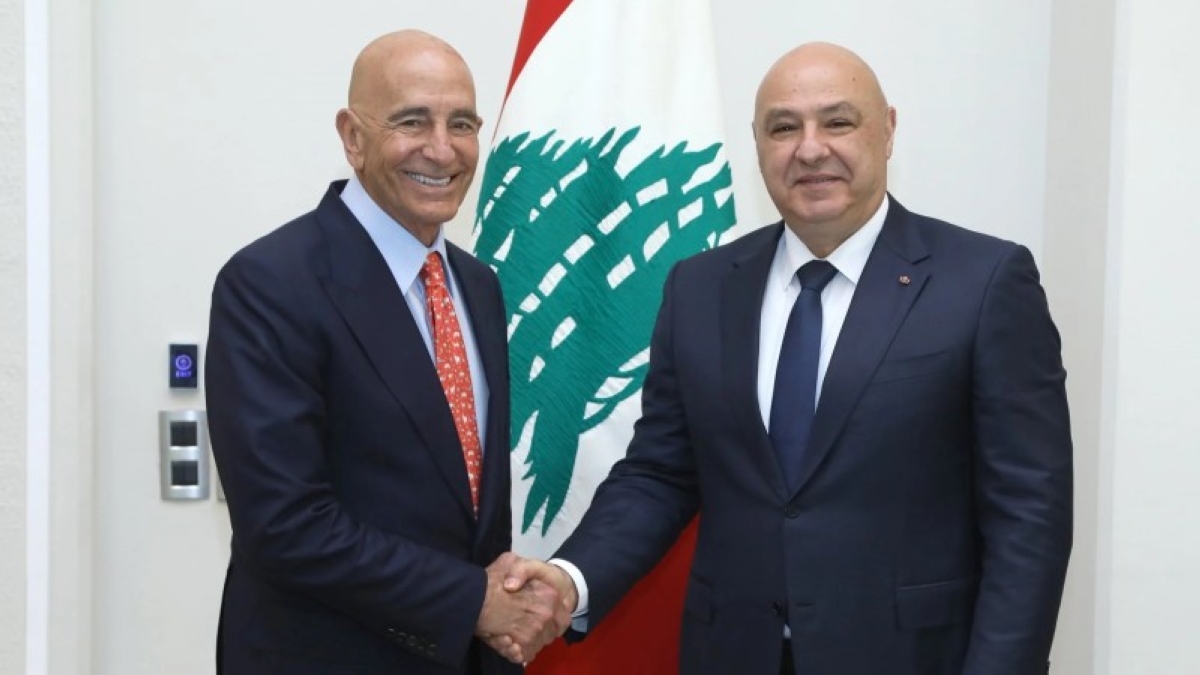
أفصح المبعوث الأمريكي الخاص توم براك، عن تفاصيل عرض قدمته واشنطن إلى بيروت لنزع سلاح حزب الله وتحوله إلى كيان سياسي، إلا أنه قوبل بالرفض، بسبب الانقسام داخل الحكومة.
وفي مقال تحت عنوان «سورية ولبنان: الخطوة التالية نحو سلام شامل في الشرق الأوسط» نشر، اليوم (الإثنين)، على حسابه في «إكس»، قال براك إن «الولايات المتحدة طرحت خطة محاولة أخيرة لنزع سلاح حزب الله تدريجياً مقابل حوافز اقتصادية، لكن الحكومة اللبنانية رفضتها بسبب نفوذ الحزب داخل مجلس الوزراء» بحسب تعبيره.
الفرصة لا تزال قائمة
واعتبر أن «الفرصة لا تزال قائمة، فإذا استعادت الدولة احتكار القوة عبر الجيش اللبناني، فإن الشركاء الإقليميين مستعدون للاستثمار. وأكد أن نزع سلاح حزب الله ليس فقط ضرورة أمنية لإسرائيل، بل فرصة للبنان لاستعادة سيادته وتحقيق انتعاش اقتصادي.
ولفت المبعوث الأمريكي إلى أن واشنطن «خصصت هذا الشهر أكثر من 200 مليون دولار لدعم الجيش اللبناني، وعرضت تغطية دبلوماسية لتحول حزب الله إلى كيان سياسي سلمي».
وأعلن براك أن «هذه المبادرات توقفت، بينما تتسارع باقي دول المنطقة نحو طرد وكلاء إيران»، حسب قوله. وشدد على ان «الوقت الآن مناسب للبنان لاتخاذ خطوة حاسمة نحو السلام والسيادة».
فشل اتفاق بايدن
ورأى أن الفرصة الآن أمام لبنان من أجل نزع سلاح حزب الله، والدخول في مسار السلام. وقال «بينما تستقر دمشق، يبقى لبنان رهينة لهيمنة مليشيا حزب الله، التي تعرقل السيادة وتمنع الاستثمار وتثير القلق الإسرائيلي».
وأضاف أن اتفاق وقف التصعيد الذي أبرم في نوفمبر 2024، والذي رعته إدارة الرئيس السابق جو بايدن، فشل في تحقيق السلام بسبب غياب آلية تنفيذ حقيقية، واستمرار التمويل الإيراني لحزب الله، وانقسام الحكومة اللبنانية، وفق قوله.
شراكة إقليمية جديدة
وأوضح براك أن يوم 13 أكتوبر 2025، شهد لحظة تاريخية في دبلوماسية الشرق الأوسط، إذ اجتمع قادة العالم في شرم الشيخ، لدعم رؤية الرئيس الأمريكي دونالد ترمب الطموحة المكونة من 20 نقطة لإعادة بناء المنطقة وتحقيق ازدهار مشترك، ووقف الحرب في قطاع غزة.
ورأى أن «ما بدأ كهدنة في غزة تحوّل إلى بداية حقيقية لشراكة إقليمية جديدة، تقوم على التعاون بدلاً من الصراع، وعلى الفرص بدلاً من الخوف».
واعتبر براك أن سورية رغم التقدم المحرز، «لا تزال القطعة المفقودة في فسيفساء السلام بالمنطقة»، وفق تعبيره.
ولفت إلى أنه مع استعادة سورية لعلاقاتها مع جيرانها، بما في ذلك إسرائيل وتركيا، بدأت تشكل جزءاً من منظومة الأمن الإقليمي.
The U.S. special envoy Tom Brack revealed details of an offer Washington made to Beirut for disarming Hezbollah and transforming it into a political entity, but it was met with rejection due to divisions within the government.
In an article titled "Syria and Lebanon: The Next Step Towards Comprehensive Peace in the Middle East," published today (Monday) on his account on "X," Brack stated that "the United States proposed a final attempt to gradually disarm Hezbollah in exchange for economic incentives, but the Lebanese government rejected it due to the party's influence within the Cabinet," as he expressed.
The Opportunity Still Exists
He considered that "the opportunity still exists; if the state regains the monopoly on power through the Lebanese army, regional partners are ready to invest. He emphasized that disarming Hezbollah is not only a security necessity for Israel but also an opportunity for Lebanon to regain its sovereignty and achieve economic recovery.
The American envoy pointed out that Washington "allocated more than $200 million this month to support the Lebanese army and offered diplomatic coverage for Hezbollah's transformation into a peaceful political entity."
Brack announced that "these initiatives have stalled while other countries in the region are accelerating efforts to expel Iranian proxies," according to him. He stressed that "the time is now right for Lebanon to take a decisive step towards peace and sovereignty."
Failure of the Biden Agreement
He saw that the opportunity is now before Lebanon to disarm Hezbollah and enter a path of peace. He said, "As Damascus stabilizes, Lebanon remains hostage to the dominance of Hezbollah militias, which hinder sovereignty, prevent investment, and raise Israeli concerns."
He added that the de-escalation agreement reached in November 2024, which was sponsored by the administration of former President Joe Biden, failed to achieve peace due to the lack of a real implementation mechanism, the continued Iranian funding for Hezbollah, and the division within the Lebanese government, according to him.
New Regional Partnership
Brack explained that October 13, 2025, witnessed a historic moment in Middle Eastern diplomacy, as world leaders gathered in Sharm El-Sheikh to support former President Donald Trump's ambitious 20-point vision for rebuilding the region and achieving shared prosperity, and ending the war in Gaza.
He saw that "what began as a ceasefire in Gaza transformed into a real beginning for a new regional partnership, based on cooperation instead of conflict, and on opportunities instead of fear."
Brack considered that Syria, despite the progress made, "remains the missing piece in the mosaic of peace in the region," as he expressed.
He noted that with Syria restoring its relations with its neighbors, including Israel and Turkey, it has begun to form part of the regional security system.