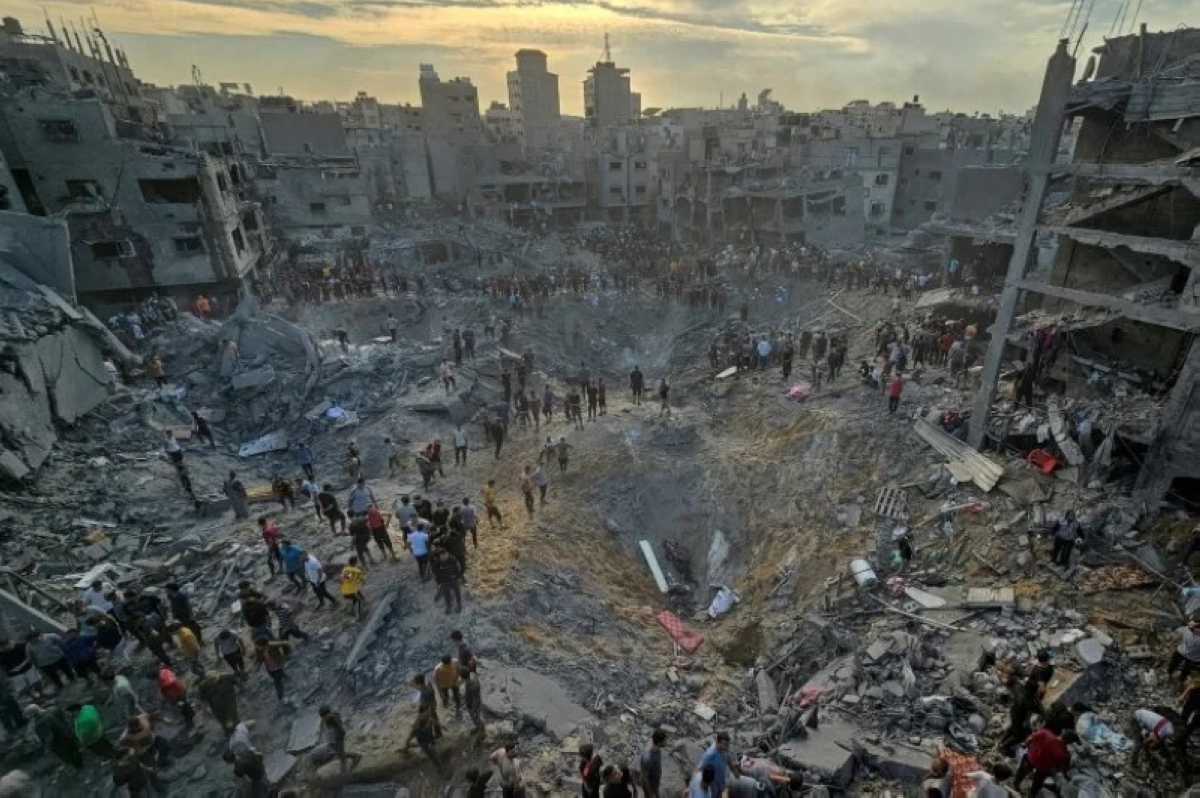
فيما تتهم إسرائيل حركة حماس بخرق اتفاق وقف إطلاق النار في غزة، شنت قوات الاحتلال 3 غارات على مدينة رفح جنوب القطاع، التي لا تزال أجزاء واسعة منها خاضعة لسيطرتها.
وأكد شهود عيان توقف دخول شاحنات المساعدات من معبر رفح إلى معبري كرم أبو سالم والعوجة، ولفتوا إلى أن قصفاً إسرائيلياً طال جباليا، شمال القطاع، ما أدى إلى سقوط قتلى وجرحى.
دعوة إلى عودة القتال
من جانبه، أعلن الجيش الإسرائيلي أن مقاتلي حماس نفذوا هجمات متعددة ضد قواته خارج المنطقة العازلة المعروفة باسم «الخط الأصفر»، بما في ذلك إطلاق قذيفة صاروخية ونيران قناصة، واصفاً ذلك بأنه «انتهاك صارخ» لاتفاق وقف إطلاق النار. فيما زعم مسؤول عسكري إسرائيلي أن حماس شنت هجمات ضد الجيش خارج الخط الأصفر.
وكشفت مصادر إسرائيلية أن رئيس وزراء الاحتلال بنيامين نتنياهو ووزير الدفاع يسرائيل كاتس، عقدا جلسة أمنية عاجلة لبحث الرد على هذا الانتهاك.
من جانبه، دعا وزير الأمن القومي الإسرائيلي إيتمار بن غفير نتنياهو إلى استئناف القتال في غزة، معتبراً أن حماس خطر على أمن إسرائيل، ولا تحترم اتفاق وقف النار.
إسرائيل تختلق الذرائع
في المقابل، أكدت حماس أنها ملتزمة باتفاق وقف إطلاق النار، مشددة على أن «إسرائيل هي من تخرقه وتختلق ذرائع». واتهمت الحركة «نتنياهو بمحاولة التهرب من مسؤولياته أمام الوسطاء والضامنين».
في غضون ذلك، واصلت الجرافات عمليات الحفر في منطقة حمد بمدينة خان يونس جنوباً أيضاً، من أجل البحث عن جثث الأسرى الإسرائيليين وانتشالها من تحت الردم والركام.
وبدأ جيش الاحتلال ترسيم ما يسمى بالخط الأصفر، الذي انسحبت إليه قواته منذ الـ10 من أكتوبر الجاري، بموجب شروط وقف إطلاق النار الحالي في غزة بعلامات مادية.
وأظهرت صورة من غزة تم نشرها على مواقع التواصل الاجتماعي اليوم كتلاً خرسانية مطلية باللون الأصفر وعلامات معدنية صفراء عليها، بحسب صحيفة «تايمز أوف إسرائيل».
وكان وزير الدفاع الإسرائيلي أمر الجمعة بوضع العلامات المادية بحيث تكون حدود سيطرة الجيش في القطاع مرئية بوضوح. وأضاف أن هذه العلامات ستكون بمثابة تحذير «لعناصر حماس وسكان غزة بأن أي انتهاك أو محاولة لعبور الخط سيتم الرد عليها بالنيران».
اتفاق وقف إطلاق النار
يذكر أن اتفاق وقف إطلاق النار في غزة الذي أتى ثمرة مفاوضات غير مباشرة لأيام عدة بين إسرائيل وحماس في مدينة شرم الشيخ، دخل حيز التنفيذ في الـ10 من أكتوبر الجاري، ونص على إطلاق سراح كافة المحتجزين الإسرائيليين الأحياء دفعة واحدة، فضلاً عن تسليم جثامين القتلى، مقابل إطلاق إسرائيل أيضاً سراح مئات الأسرى الفلسطينيين، بينهم العشرات من ذوي الأحكام العالية والمؤبدة.
ونص على انسحاب إسرائيلي جزئي من القطاع الفلسطيني، حتى حدود اتفق عليها، ودخول شاحنات الإغاثة إلى غزة، وفتح المعابر. إلا أن إسرائيل لم تقبل حتى الآن بفتح معبر رفح الحدودي مع مصر، مشترطة تسليم جثامين كافة الأسرى الإسرائيليين، علماً أن حماس سلمت حتى مساء السبت 12، فيما تبقى 16 تواصل البحث عن أماكنهم في القطاع المدمر.
وانسحب الجيش الإسرائيلي بموجب الاتفاق و«الخط الأصفر الذي تضمنه» من شمال غزة حتى مشارف رفح، يوم الـ10 من أكتوبر. إذ بدأ مسار الانسحاب من بيت حانون في شمال غزة، ليمر عبر بيت لاهيا، ومدينة غزة، والبريج، ودير البلح، وخان يونس، وخزاعة، على أن ينتهي عند رفح.
While Israel accuses Hamas of violating the ceasefire agreement in Gaza, the occupation forces launched 3 airstrikes on the city of Rafah in the southern sector, which still has large areas under its control.
Eyewitnesses confirmed the halt of aid trucks entering from the Rafah crossing to the Karam Abu Salem and Al-Awja crossings, noting that Israeli shelling targeted Jabalia in the northern sector, resulting in casualties and injuries.
Call to Resume Fighting
For its part, the Israeli army announced that Hamas fighters carried out multiple attacks against its forces outside the buffer zone known as the "yellow line," including the firing of a rocket and sniper fire, describing this as a "flagrant violation" of the ceasefire agreement. An Israeli military official claimed that Hamas launched attacks against the army outside the yellow line.
Israeli sources revealed that occupation Prime Minister Benjamin Netanyahu and Defense Minister Israel Katz held an urgent security session to discuss the response to this violation.
In turn, Israeli National Security Minister Itamar Ben Gvir urged Netanyahu to resume fighting in Gaza, considering Hamas a threat to Israel's security and stating that it does not respect the ceasefire agreement.
Israel Fabricates Pretexts
In contrast, Hamas confirmed its commitment to the ceasefire agreement, emphasizing that "Israel is the one violating it and fabricating pretexts." The movement accused Netanyahu of trying to evade his responsibilities before mediators and guarantors.
Meanwhile, bulldozers continued excavation operations in the Hamed area of Khan Younis in the south, in search of the bodies of Israeli captives and retrieving them from under the rubble and debris.
The occupation army began marking what is known as the yellow line, to which its forces withdrew since October 10, under the current ceasefire conditions in Gaza, with physical markers.
A photo from Gaza published on social media today showed concrete blocks painted yellow with yellow metal signs on them, according to the "Times of Israel."
The Israeli Defense Minister ordered on Friday that the physical markers be placed so that the boundaries of the army's control in the sector are clearly visible. He added that these markers would serve as a warning "to Hamas elements and the residents of Gaza that any violation or attempt to cross the line will be met with fire."
Ceasefire Agreement
It is worth noting that the ceasefire agreement in Gaza, which resulted from several days of indirect negotiations between Israel and Hamas in Sharm El-Sheikh, came into effect on October 10. It stipulated the release of all living Israeli captives in one go, as well as the handover of the bodies of the deceased, in exchange for Israel also releasing hundreds of Palestinian prisoners, including dozens with long and life sentences.
It called for a partial Israeli withdrawal from the Palestinian sector, up to agreed-upon borders, the entry of relief trucks into Gaza, and the opening of crossings. However, Israel has not yet agreed to open the Rafah border crossing with Egypt, conditioning it on the handover of all Israeli captives' bodies, noting that Hamas had handed over 12 by Saturday evening, while 16 remain, with searches ongoing for their locations in the devastated sector.
The Israeli army withdrew under the agreement and the "yellow line it included" from northern Gaza to the outskirts of Rafah on October 10. The withdrawal route began from Beit Hanoun in northern Gaza, passing through Beit Lahiya, Gaza City, Al-Bureij, Deir al-Balah, Khan Younis, and Khuza'a, ending at Rafah.