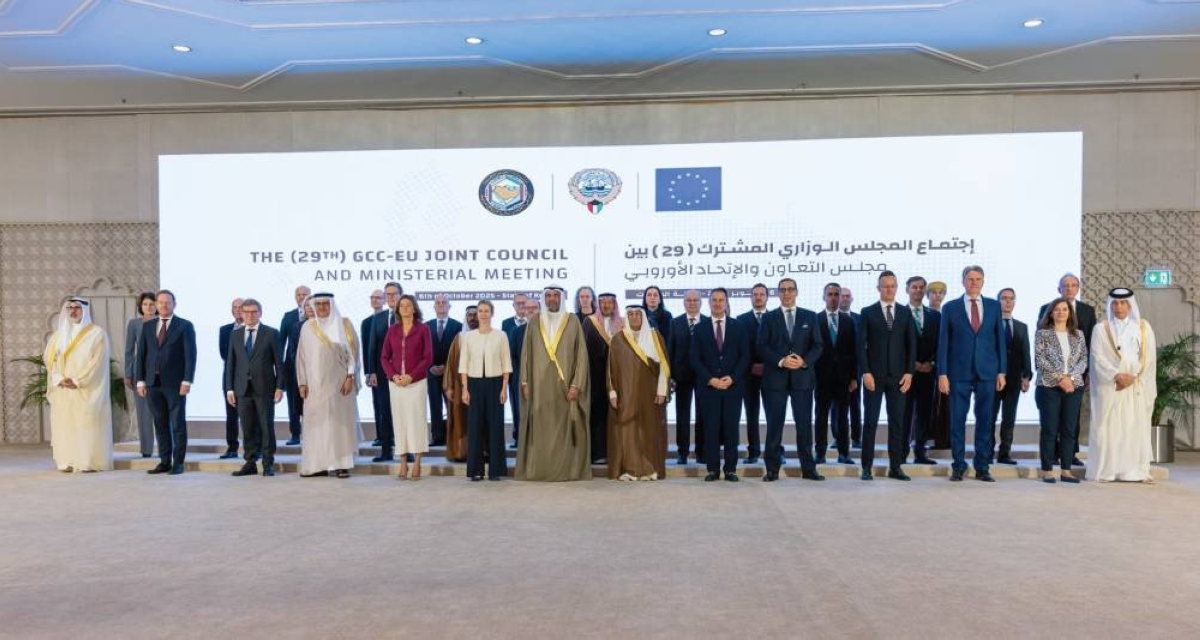
دعا مجلس التعاون الخليجي والاتحاد الأوروبي، اليوم (الاثنين)، إسرائيل إلى ضمان وصول المساعدات الإنسانية فوراً وبشكل آمن إلى قطاع غزة، وأكدا التزامهما بالتعاون مع الشركاء الدوليين في إنعاش وإعادة إعمار غزة مستقبلاً.
وحث مجلس التعاون الخليجي والاتحاد الأوروبي في بيان مشترك بعد اجتماع للمجلس الوزاري المشترك، الذي عقد بالكويت اليوم، إسرائيل على التعاون مع السلطة الفلسطينية والإفراج عن عائدات الضرائب المحتجزة، مؤكدين التزامهم الثابت بتحقيق سلام عادل وشامل ودائم في الشرق الأوسط على أساس حل الدولتين، بما يتماشى مع مبادرة السلام العربية، وقرارات الأمم المتحدة ذات الصلة، ومرجعيات عملية السلام، على خطوط الرابع من يونيو 1967، بما في ذلك ما يتعلق بالقدس، مع إمكانية تبادلات متكافئة للأراضي حسبما يتفق عليه الطرفان ووفقاً للقانون الدولي والمعايير الدولية المتفق عليها.
خطة ترمب
ورحب المجلس المشترك بمقترح الرئيس الأمريكي دونالد ترمب لإنهاء الحرب في غزة، مؤكداً استعداده للتعاون البناء مع الولايات المتحدة وجميع الأطراف المعنية لضمان تنفيذه، وتحقيق السلام والأمن والاستقرار والازدهار لشعوب المنطقة.
وأشار المجلس المشترك إلى اعتماد الجمعية العامة للأمم المتحدة لإعلان نيويورك بشأن التسوية السلمية لقضية فلسطين وتنفيذ حل الدولتين، باعتباره تعبيراً واضحاً عن الإرادة الدولية لرسم مسار لا رجعة فيه لبناء مستقبل أفضل للفلسطينيين والإسرائيليين وجميع شعوب المنطقة، ودعم تحقيق دولة فلسطين المستقلة ذات السيادة والقابلة للحياة اقتصادياً، والتي تعيش جنباً إلى جنب في سلام وأمن مع إسرائيل.
الأجتماع الخليجي الأوروبي
الوساطة المصرية والقطرية
وأشاد المجلس المشترك بجهود الوساطة التي تبذلها قطر ومصر والولايات المتحدة الأمريكية لضمان وقف إطلاق نار شامل، ووصول المساعدات الإنسانية، والإفراج عن جميع الأسرى، وتبادل الأسرى الفلسطينيين.
وأكد المجلس المشترك على أهمية الحفاظ على الوضع التاريخي والقانوني الراهن في القدس ومقدساتها، مشدداً على أهمية الدور الخاص للمملكة الأردنية الهاشمية في هذا الصدد، ومؤيداً لعمل لجنة القدس برئاسة العاهل المغربي محمد السادس.
وأعرب المجلس المشترك عن قلقه إزاء الأنشطة الاستيطانية، بما في ذلك توسيع المستوطنات غير الشرعية، وعنف المستوطنين، بما في ذلك ضد الطوائف المسيحية في الضفة الغربية، بالإضافة إلى العمليات العسكرية الإسرائيلية في الضفة، وتزايد الهجمات الإرهابية ضد المدنيين، مما يقوض حل الدولتين ويفاقم التوترات.
جهود سعودية لحل أزمة أوكرانيا
وأشاد المجلس المشترك بالجهود الدبلوماسية التي تبذلها السعودية لاستضافة المحادثات بين الولايات المتحدة وأوكرانيا، وكذلك بين الولايات المتحدة والاتحاد الروسي لإنهاء الحرب في أوكرانيا، كجهد نحو محادثات سلام مباشرة مستقبلية، مؤكداً أهمية هذه الجهود في دعم المبادرات السياسية الرامية إلى التسوية.
وأكد المجلس المشترك دعمه للجهود الإقليمية والدولية لإنهاء الحرب، داعياً إلى الالتزام بوقف إطلاق نار كامل وغير مشروط، وصولًا إلى سلام عادل ودائم في نهاية المطاف.
وأشاد المجلس المشترك بمبادرات مجلس التعاون، بما في ذلك الاجتماعات التي عُقدت في جدة وكوبنهاجن والدوحة.
الحدود الكويتية
دعا المجلس المشترك إلى ترسيم الحدود البحرية بين الكويت والعراق بشكل كامل بعد العلامة 162، وفقًا لاتفاقية الأمم المتحدة لقانون البحار لعام 1982م، وقواعد ومبادئ القانون الدولي، مؤكداً أهمية التنفيذ الكامل لاتفاقية الكويت والعراق لعام 2012م بشأن تنظيم الملاحة البحرية في خور عبد الله، الموقعة في 29 أبريل 2012م، ودخلت حيز النفاذ في 5 ديسمبر 2013م، والمودعة لدى الأمم المتحدة بشكل مشترك في 18 ديسمبر 2013م، كما داعا إلى استئناف اجتماعات اللجنة المشتركة لتنظيم الملاحة البحرية في خور عبد الله.
العقوبات على إيران
وحول العقوبات على إيران، أكد الجانبان أن إعادة فرض العقوبات لا تعني نهاية المسار الدبلوماسي مع طهران، مشددين على أن الجهود السياسية والدبلوماسية وحدها يمكن أن تؤدي إلى حل دائم للقضية النووية الإيرانية.
وشدد المجلس الوزاري المشترك على أهمية استئناف التعاون الكامل بين إيران والوكالة الدولية للطاقة الذرية، ودعا إيران إلى العودة للامتثال لالتزاماتها بموجب الضمانات الملزمة قانوناً، وبالتالي بناء الثقة وتعزيز الأمن والاستقرار الإقليمي والعالمي.
استقرار سورية ولبنان
وأكد المجلس المشترك على أن أمن سورية واستقرارها أساسيان لاستقرار المنطقة، داعياً المؤسسات المالية الدولية إلى تعزيز التعاون لدعم الاقتصاد السوري.
وشدد المجلس المشترك أن نزع سلاح جميع الجماعات المسلحة وتسريحها وإعادة دمجها في قوات أمن وطنية موحدة يمثل شرطاً أساسياً لتعزيز الأمن والاستقرار الداخلي، معرباً عن دعمه كذلك لجهود الحكومة اللبنانية في الإصلاح واستعادة الأمن والاستقرار، وأكد على مساندته لجهود لبنان في ضمان احتكار الدولة للسلاح.
The Gulf Cooperation Council and the European Union called on Israel today (Monday) to ensure the immediate and safe delivery of humanitarian aid to the Gaza Strip, reaffirming their commitment to work with international partners to revitalize and rebuild Gaza in the future.
The Gulf Cooperation Council and the European Union urged Israel in a joint statement after a meeting of the joint ministerial council, held in Kuwait today, to cooperate with the Palestinian Authority and release the withheld tax revenues, emphasizing their steadfast commitment to achieving a just, comprehensive, and lasting peace in the Middle East based on the two-state solution, in line with the Arab Peace Initiative, relevant United Nations resolutions, and the references of the peace process, along the lines of June 4, 1967, including matters related to Jerusalem, with the possibility of mutually agreed land exchanges as agreed upon by the parties and in accordance with international law and agreed-upon international standards.
Trump's Plan
The joint council welcomed U.S. President Donald Trump's proposal to end the war in Gaza, affirming its readiness to cooperate constructively with the United States and all concerned parties to ensure its implementation, and to achieve peace, security, stability, and prosperity for the peoples of the region.
The joint council referred to the United Nations General Assembly's adoption of the New York Declaration on the peaceful settlement of the Palestinian issue and the implementation of the two-state solution, as a clear expression of the international will to chart an irreversible path towards building a better future for Palestinians, Israelis, and all peoples of the region, and supporting the establishment of an independent, sovereign, and economically viable State of Palestine, living side by side in peace and security with Israel.
الأجتماع الخليجي الأوروبي
Egyptian and Qatari Mediation
The joint council praised the mediation efforts made by Qatar, Egypt, and the United States to ensure a comprehensive ceasefire, the delivery of humanitarian aid, the release of all prisoners, and the exchange of Palestinian prisoners.
The joint council emphasized the importance of maintaining the current historical and legal status in Jerusalem and its holy sites, stressing the special role of the Hashemite Kingdom of Jordan in this regard, and supporting the work of the Al-Quds Committee chaired by Moroccan King Mohammed VI.
The joint council expressed its concern regarding settlement activities, including the expansion of illegal settlements, settler violence, including against Christian communities in the West Bank, in addition to Israeli military operations in the West Bank, and the increase in terrorist attacks against civilians, which undermines the two-state solution and exacerbates tensions.
Saudi Efforts to Resolve the Ukraine Crisis
The joint council commended the diplomatic efforts made by Saudi Arabia to host talks between the United States and Ukraine, as well as between the United States and the Russian Federation to end the war in Ukraine, as an effort towards future direct peace talks, affirming the importance of these efforts in supporting political initiatives aimed at resolution.
The joint council affirmed its support for regional and international efforts to end the war, calling for a commitment to a complete and unconditional ceasefire, ultimately leading to a just and lasting peace.
The joint council praised the initiatives of the Gulf Cooperation Council, including the meetings held in Jeddah, Copenhagen, and Doha.
Kuwaiti Borders
The joint council called for the complete demarcation of maritime borders between Kuwait and Iraq beyond marker 162, in accordance with the United Nations Convention on the Law of the Sea of 1982, and the rules and principles of international law, emphasizing the importance of the full implementation of the 2012 Kuwait-Iraq Agreement regarding the regulation of maritime navigation in Khor Abdullah, signed on April 29, 2012, which entered into force on December 5, 2013, and was jointly deposited with the United Nations on December 18, 2013, and also called for the resumption of meetings of the joint committee to regulate maritime navigation in Khor Abdullah.
Sanctions on Iran
Regarding sanctions on Iran, both sides affirmed that the re-imposition of sanctions does not mean the end of the diplomatic path with Tehran, stressing that political and diplomatic efforts alone can lead to a lasting solution to the Iranian nuclear issue.
The joint ministerial council emphasized the importance of resuming full cooperation between Iran and the International Atomic Energy Agency, and called on Iran to return to compliance with its legally binding obligations, thereby building trust and enhancing regional and global security and stability.
Stability in Syria and Lebanon
The joint council emphasized that the security and stability of Syria are essential for the stability of the region, calling on international financial institutions to enhance cooperation to support the Syrian economy.
The joint council stressed that the disarmament, demobilization, and reintegration of all armed groups into a unified national security force is a prerequisite for enhancing internal security and stability, expressing its support for the Lebanese government's efforts in reform and restoring security and stability, and reaffirming its support for Lebanon's efforts to ensure the state's monopoly on weapons.