


رداً على إعادة فرض العقوبات من جانب الأمم المتحدة، يعد البرلمان الإيراني في الوقت الراهن تشريعاً قد يؤدي إلى انسحاب طهران من معاهدة حظر الانتشار النووي.
وقال المتحدث باسم لجنة الأمن القومي والسياسة الخارجية في مجلس الشورى إبراهيم رضائي، اليوم الإثنين، إن الهيئة التشريعية استقرت على مسودة نص تشريعي، بحسب ما نقلته وكالة «تسنيم» الدولية للأنباء.
وأضاف: في ظل هذه الظروف، لا يرى البرلمان أي مبرر لبقاء إيران عضواً في معاهدة حظر الانتشار النووي، كاشفاً أن مسودة التشريع لم يتم إدراجها بعد على جدول الأعمال الرسمي للبرلمان.
وتأتي الخطوة البرلمانية بعد الهجمات الإسرائيلية والأمريكية على المنشآت النووية الإيرانية في يونيو الماضي، وإعادة تفعيل العقوبات الأممية مطلع الأسبوع.
أوروبا تعيد العقوبات
من جانبه، أعلن مجلس الاتحاد الأوروبي، الإثنين، إعادة فرض عقوباته على إيران، في أعقاب خطوة مماثلة أقرها مجلس الأمن وأعاد من خلالها فرض عقوبات الأمم المتحدة، بعد اتهامات «الترويكا» الأوروبية لطهران بـ«انتهاك الاتفاق النووي» المبرم في عام 2015.
ولفت المجلس الأوروبي في بيان، إلى أن التدابير التي أعيد فرضها تشمل تلك التي اعتمدها مجلس الأمن الدولي منذ عام 2006، إلى جانب تدابير أخرى خاصة بالاتحاد الأوروبي.
حظر وتجميد ومصادرة
وتشمل هذه التدابير، حظر سفر عشرات الإيرانيين وتجميد أصول عشرات الأفراد والكيانات الإيرانية، ومنع الوصول إلى الأموال والموارد الاقتصادية المتاحة لمن تشملهم العقوبات.
وأقر المجلس عقوبات اقتصادية ومالية على قطاعات التجارة والمالية والنقل في إيران، إلى جانب تجميد أصول البنك المركزي وبنوك أخرى في البلاد.
وحظر الاتحاد الأوروبي على إيران شراء النفط الخام ونقله وبيع أو توريد الذهب وبعض المعدات البحرية.
وتشير العقوبات الأوروبية إلى إمكانية مصادرة أي مواد تعتبرها «محظورة بموجب عقوبات الأمم المتحدة» وأيضاً «التخلص منها». وسيكون محظوراً على إيران الاستحواذ على حصة في أي نشاط تجاري في بلد آخر يتعلق بتعدين اليورانيوم أو إنتاجه أو استخدام المواد والتكنولوجيا النووية.
وبادرت بريطانيا وفرنسا وألمانيا (الترويكا الأوروبية) بإطلاق آلية إعادة فرض العقوبات على إيران في مجلس الأمن بعد اتهامها بـ«انتهاك الاتفاق النووي»، الذي أبرم عام 2015، بهدف منعها من تطوير قنبلة نووية. وتنفي طهران سعيها لامتلاك أسلحة نووية.
وعرضت الترويكا الأوروبية تأجيل إعادة فرض العقوبات لمدة تصل إلى 6 أشهر لإفساح المجال لإجراء محادثات بشأن اتفاق طويل الأجل، شريطة أن تسمح إيران مجدداً بدخول مفتشي الوكالة الدولية للطاقة الذرية، وتعالج المخاوف بشأن مخزونها من اليورانيوم المخصب، وتنخرط في محادثات مع الولايات المتحدة.
إخفاق محاولات التأجيل
وأخفقت محاولات تأجيل عودة جميع العقوبات على إيران، على هامش الاجتماع السنوي لقادة العالم في الأمم المتحدة الأسبوع الماضي. وقال وزراء خارجية فرنسا وبريطانيا وألمانيا في بيان مشترك بعد انقضاء مهلة 30 يوماً: «نحث إيران وجميع الدول على الالتزام التام بهذه القرارات».
وأضاف الوزراء: «ستواصل بلادنا اتباع الطرق الدبلوماسية والمفاوضات. إعادة فرض عقوبات الأمم المتحدة ليست نهاية للدبلوماسية».
ردّاً على إعادة فرض العقوبات..
هل تنسحب إيران من معاهدة حظر «الانتشار النووي»؟
29 سبتمبر 2025 - 15:24
|
آخر تحديث 29 سبتمبر 2025 - 15:24
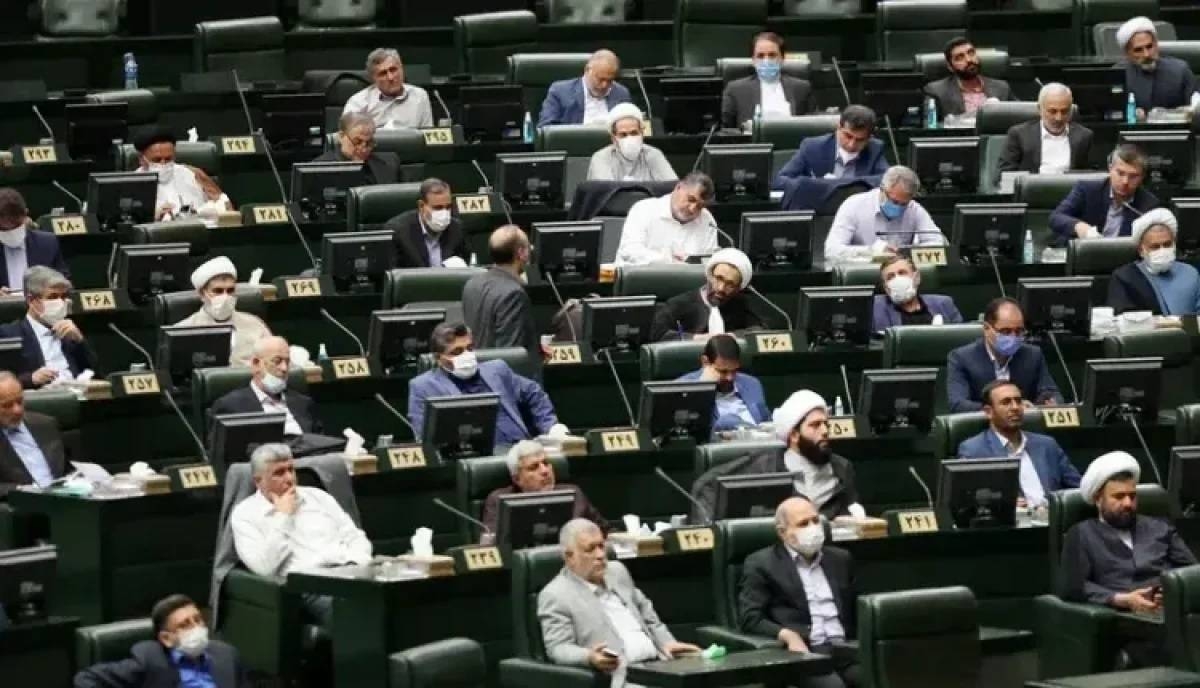
مجلس الشوري الإيراني


تابع قناة عكاظ على الواتساب
«عكاظ»، وكالات (طهران، جدة)
In response to the re-imposition of sanctions by the United Nations, the Iranian parliament is currently drafting legislation that could lead to Tehran's withdrawal from the Treaty on the Non-Proliferation of Nuclear Weapons.
The spokesman for the National Security and Foreign Policy Committee of the Islamic Consultative Assembly, Ibrahim Rezaei, stated today, Monday, that the legislative body has settled on a draft legislative text, according to what was reported by the Tasnim International News Agency.
He added: Under these circumstances, the parliament sees no justification for Iran to remain a member of the Treaty on the Non-Proliferation of Nuclear Weapons, revealing that the draft legislation has not yet been included on the official agenda of the parliament.
This parliamentary move follows the Israeli and American attacks on Iranian nuclear facilities last June and the reactivation of UN sanctions earlier this week.
Europe Reimposes Sanctions
For its part, the Council of the European Union announced on Monday the re-imposition of its sanctions on Iran, following a similar step approved by the Security Council, which re-imposed UN sanctions after accusations from the European "troika" against Tehran of "violating the nuclear agreement" concluded in 2015.
The European Council noted in a statement that the measures being re-imposed include those adopted by the Security Council since 2006, along with other measures specific to the European Union.
Ban, Freezing, and Seizure
These measures include a travel ban on dozens of Iranians, freezing the assets of dozens of Iranian individuals and entities, and preventing access to funds and economic resources available to those subject to the sanctions.
The council approved economic and financial sanctions on the trade, finance, and transportation sectors in Iran, along with freezing the assets of the central bank and other banks in the country.
The European Union has prohibited Iran from purchasing, transporting, selling, or supplying crude oil and gold, as well as certain maritime equipment.
The European sanctions indicate the possibility of seizing any materials deemed "prohibited under UN sanctions" and also "disposing of them." Iran will be prohibited from acquiring a stake in any business activity in another country related to uranium mining, production, or the use of nuclear materials and technology.
The United Kingdom, France, and Germany (the European troika) initiated the mechanism to re-impose sanctions on Iran in the Security Council after accusing it of "violating the nuclear agreement," which was concluded in 2015, in order to prevent it from developing a nuclear bomb. Tehran denies seeking to possess nuclear weapons.
The European troika offered to delay the re-imposition of sanctions for up to 6 months to allow for talks on a long-term agreement, provided that Iran once again allows the entry of International Atomic Energy Agency inspectors, addresses concerns regarding its stockpile of enriched uranium, and engages in talks with the United States.
Failure of Delay Attempts
Attempts to delay the return of all sanctions on Iran failed during the annual meeting of world leaders at the United Nations last week. The foreign ministers of France, Britain, and Germany issued a joint statement after the expiration of the 30-day deadline: "We urge Iran and all countries to fully comply with these decisions."
The ministers added: "Our countries will continue to pursue diplomatic avenues and negotiations. The re-imposition of UN sanctions is not the end of diplomacy."
The spokesman for the National Security and Foreign Policy Committee of the Islamic Consultative Assembly, Ibrahim Rezaei, stated today, Monday, that the legislative body has settled on a draft legislative text, according to what was reported by the Tasnim International News Agency.
He added: Under these circumstances, the parliament sees no justification for Iran to remain a member of the Treaty on the Non-Proliferation of Nuclear Weapons, revealing that the draft legislation has not yet been included on the official agenda of the parliament.
This parliamentary move follows the Israeli and American attacks on Iranian nuclear facilities last June and the reactivation of UN sanctions earlier this week.
Europe Reimposes Sanctions
For its part, the Council of the European Union announced on Monday the re-imposition of its sanctions on Iran, following a similar step approved by the Security Council, which re-imposed UN sanctions after accusations from the European "troika" against Tehran of "violating the nuclear agreement" concluded in 2015.
The European Council noted in a statement that the measures being re-imposed include those adopted by the Security Council since 2006, along with other measures specific to the European Union.
Ban, Freezing, and Seizure
These measures include a travel ban on dozens of Iranians, freezing the assets of dozens of Iranian individuals and entities, and preventing access to funds and economic resources available to those subject to the sanctions.
The council approved economic and financial sanctions on the trade, finance, and transportation sectors in Iran, along with freezing the assets of the central bank and other banks in the country.
The European Union has prohibited Iran from purchasing, transporting, selling, or supplying crude oil and gold, as well as certain maritime equipment.
The European sanctions indicate the possibility of seizing any materials deemed "prohibited under UN sanctions" and also "disposing of them." Iran will be prohibited from acquiring a stake in any business activity in another country related to uranium mining, production, or the use of nuclear materials and technology.
The United Kingdom, France, and Germany (the European troika) initiated the mechanism to re-impose sanctions on Iran in the Security Council after accusing it of "violating the nuclear agreement," which was concluded in 2015, in order to prevent it from developing a nuclear bomb. Tehran denies seeking to possess nuclear weapons.
The European troika offered to delay the re-imposition of sanctions for up to 6 months to allow for talks on a long-term agreement, provided that Iran once again allows the entry of International Atomic Energy Agency inspectors, addresses concerns regarding its stockpile of enriched uranium, and engages in talks with the United States.
Failure of Delay Attempts
Attempts to delay the return of all sanctions on Iran failed during the annual meeting of world leaders at the United Nations last week. The foreign ministers of France, Britain, and Germany issued a joint statement after the expiration of the 30-day deadline: "We urge Iran and all countries to fully comply with these decisions."
The ministers added: "Our countries will continue to pursue diplomatic avenues and negotiations. The re-imposition of UN sanctions is not the end of diplomacy."


