أعلنت الدنمارك، اليوم (الخميس)، أن غارات الطائرات دون طيار التي أدت إلى إغلاق مطارين رئيسيين مؤقتاً وأثرت على منشآت عسكرية خلال الليلة الماضية، كانت هجمات هجينة تهدف إلى نشر الخوف، لكنها أكدت عدم معرفتها بمن يقف خلفها.
هشاشة المجال الجوي الأوروبي
وتأتي هذه الحوادث كأحدث سلسلة من الغارات الجوية غير المصرح بها في الأسابيع الأخيرة، والتي كشفت عن هشاشة المجال الجوي الأوروبي وصعوبات الحكومات في مواجهتها، بما في ذلك حادثة مشابهة في الدنمارك قبل يومين.
وفي سياق متصل، أسقطت بولندا طائرات دون طيار روسية مشتبه بها في مجالها الجوي في 10 سبتمبر، بينما قررت السلطات الدنماركية اليوم، عدم إسقاط أي من الطائرات في مجالها الجوي لأسباب أمنية، رغم الإخلال الذي تسببت فيه بحركة الطيران.
تفاصيل الحوادث
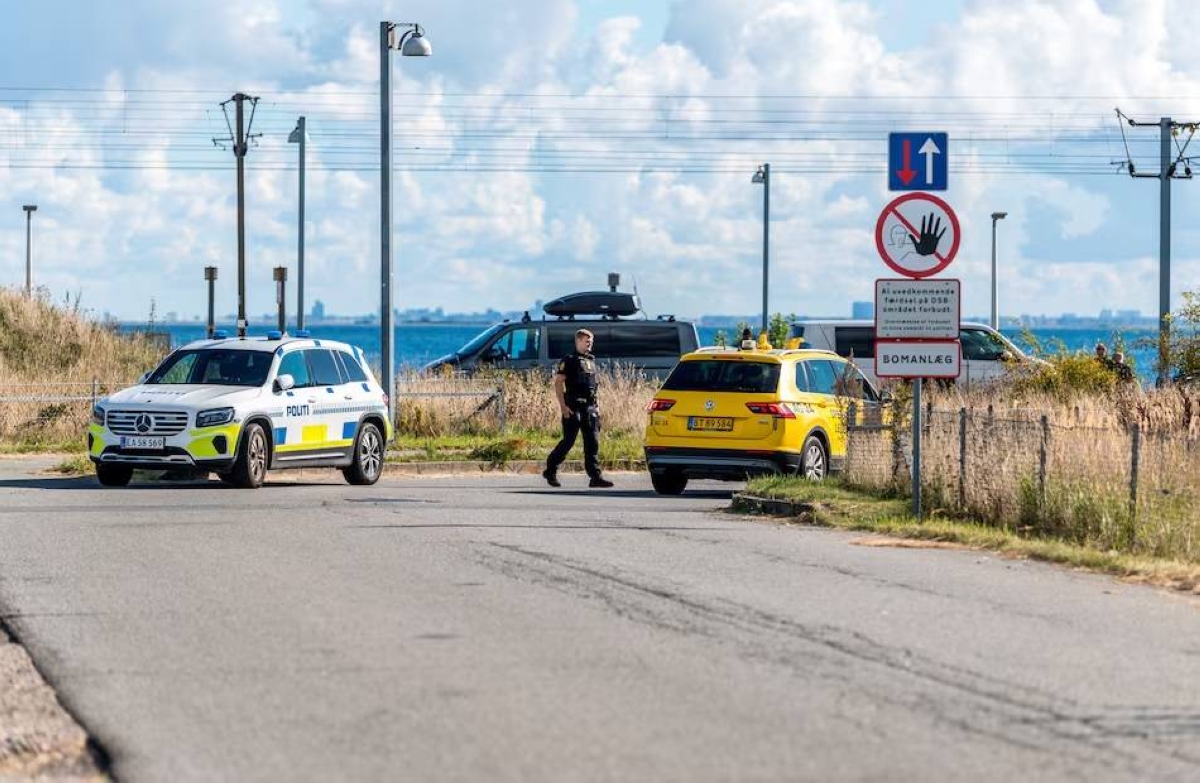
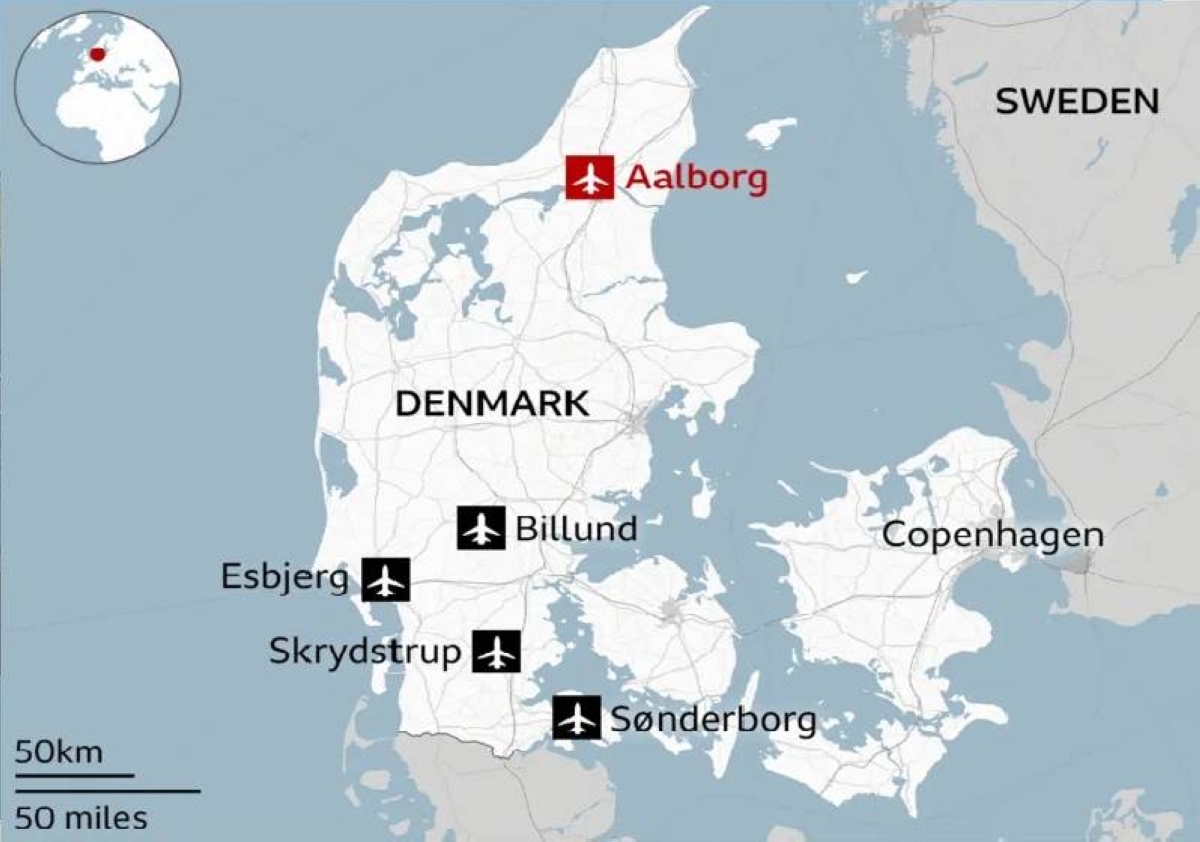
أغلق مطار بيلوند، الثاني أكبر المطارات في الدنمارك، لمدة ساعة واحدة، في حين أغلق مطار ألبورغ، الذي يُستخدم للرحلات التجارية والعسكرية، لثلاث ساعات بسبب غارات الطائرات دون طيار في وقت متأخر من (الأربعاء)، وفقاً لشرطة الدنمارك، ثم أعيد فتح كلا المطارين صباح اليوم (الخميس).
كما تم رصد الطائرات دون طيار أيضاً خلال الليلة الماضية بالقرب من مطاري إسبييرغ وسوندربورغ، بالإضافة إلى قاعدة سكريدهتروب الجوية، التي تستضيف بعض طائرات الدنمارك المقاتلة F-16 وF-35، وعلى منشأة عسكرية في هولستيبرو، حسبما أفادت الشرطة لوسائل إعلام عالمية، حيث تقع جميع المواقع المتضررة في شبه جزيرة يوتلاند الغربية.
ووصف وزير الدفاع الدنماركي ترويلس لوند بولسن، الحوادث بأنها «لا تبدو مصادفة بالتأكيد، بل تبدو منهجية»، مضيفاً أن البلاد لا تواجه تهديداً عسكرياً مباشراً.
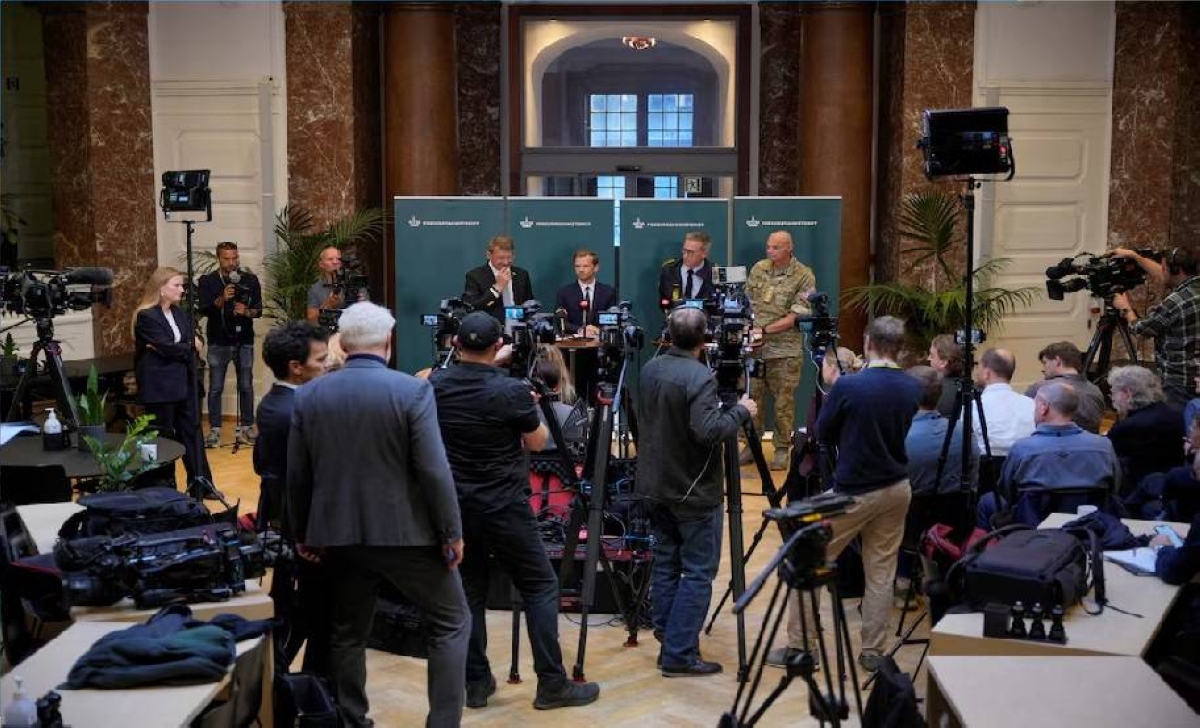
وشارك بولسن في مؤتمر صحفي مع وزير العدل بيتر هوميلغارد في وزارة الدفاع بكوبنهاغن، حيث أكدا على أن الهدف هو زرع الخوف والانقسام.
وأفاد مورتن سكوف (أحد السكان المحليين)، برؤيته أضواء خضراء تومض قادمة من الغرب مطار ألبورغ، والتي «توقفت تماماً فوق» المنشأة.
وأشارت الشرطة الوطنية الدنماركية إلى أن هذه الطائرات اتبعت نمطاً مشابهاً لتلك التي أوقفت الرحلات في مطار كوبنهاغن في وقت متأخر من الاثنين وبداية الثلاثاء.
الشكوك تجاه روسيا
من جانبها، وصفت رئيسة الوزراء ميتي فريدريكسن الحادثة في مطار كوبنهاغن بأنها «أخطر هجوم» على البنية التحتية الحيوية الدنماركية حتى الآن، وربطته بسلسلة من الغارات الجوية الروسية المشتبه بها واضطرابات أخرى عبر أوروبا، دون تقديم أدلة.
نفي روسي
فيما نفت السفارة الروسية في الدنمارك أي تورط في حادثة كوبنهاغن، ولم تعلق موسكو على الحوادث الأخيرة في يوتلاند.
وقال بولسن إن الحكومة لم تقرر بعد ما إذا كانت ستطلب استشارات بموجب المادة 4 من معاهدة الناتو، التي تسمح للأعضاء برفع أي قضايا أمنية للمناقشة.
وكانت بولندا قد استدعت هذه المادة في وقت سابق هذا الشهر بعد إسقاط طائرات دون طيار فوق أراضيها، واصفة إياها بـ«استفزاز واسع النطاق» من روسيا، التي نفت التخطيط لضرب أهداف في بولندا أثناء هجماتها على أوكرانيا الغربية.
وتأتي هذه الغارات بعد أسبوع فقط من إعلان كوبنهاغن عن شراء أسلحة دقيقة بعيدة المدى لمواجهة التهديد الروسي لأوروبا، فيما وصفته فريدريكسن بـ«تحول جذري في السياسة الدفاعية الدنماركية».
كما أثارت مبادرات الدنمارك الأخيرة لزيادة الإنفاق العسكري انتقادات حادة من روسيا، بما في ذلك خطط استضافة إنتاج وقود صواريخ أوكرانية بالقرب من قاعدة سكريدهتروب.
ردود الفعل والتدابير
أكد وزير العدل هوميلغارد أن الهجمات الهجينة «ستبقى هنا»، وأن البلاد ستسعى لطرق إضافية لتحييد الطائرات دون طيار، بما في ذلك اقتراح تشريع يسمح لأصحاب البنية التحتية بإسقاطها.
وأشارت الدنمارك إلى الاتصال بالناتو والاتحاد الأوروبي صباح اليوم، مع عقد اجتماع أوروبي يوم (الجمعة) لمناقشة تعزيز الاستعداد للطائرات دون طيار.
كما دعت رئيسة المفوضية الأوروبية أورسولا فون دير لاين أخيراً إلى بناء «جدار طائرات دون طيار» لمواجهة الغارات الروسية.
وتُعد هذه الحوادث جزءاً من موجة أوسع من الانتهاكات الجوية في أوروبا الشمالية، بما في ذلك إغلاق مؤقت لمطار أوسلو في النرويج، ما أدى إلى تأخير عشرات الآلاف من الركاب.
Denmark announced today (Thursday) that the drone strikes that temporarily closed two major airports and affected military facilities last night were hybrid attacks aimed at spreading fear, but it confirmed that it did not know who was behind them.
Fragility of European Airspace
These incidents come as the latest in a series of unauthorized airstrikes in recent weeks, which have revealed the fragility of European airspace and the difficulties governments face in addressing them, including a similar incident in Denmark two days ago.
In a related context, Poland shot down suspected Russian drones in its airspace on September 10, while Danish authorities decided today not to shoot down any of the drones in their airspace for security reasons, despite the disruption they caused to air traffic.
Details of the Incidents
Billund Airport, the second largest airport in Denmark, was closed for one hour, while Aalborg Airport, which is used for commercial and military flights, was closed for three hours due to drone strikes late on Wednesday, according to the Danish police, with both airports reopening this morning (Thursday).
Drones were also spotted last night near Esbjerg and Sonderborg airports, as well as Skrydstrup Air Base, which hosts some of Denmark's F-16 and F-35 fighter jets, and at a military facility in Holstebro, according to police reports to global media, with all affected sites located in the western Jutland Peninsula.
Danish Defense Minister Troels Lund Poulsen described the incidents as "certainly not coincidental, but rather systematic," adding that the country does not face an immediate military threat.
Poulsen participated in a press conference with Justice Minister Peter Hummelgaard at the Ministry of Defense in Copenhagen, where they emphasized that the goal is to instill fear and division.
Morten Skov (a local resident) reported seeing green lights flashing coming from the west of Aalborg Airport, which "stopped completely above" the facility.
The Danish National Police indicated that these drones followed a similar pattern to those that halted flights at Copenhagen Airport late on Monday and early Tuesday.
Suspicions Towards Russia
For her part, Prime Minister Mette Frederiksen described the incident at Copenhagen Airport as "the most serious attack" on Danish critical infrastructure to date, linking it to a series of suspected Russian airstrikes and other disturbances across Europe, without providing evidence.
Russian Denial
The Russian embassy in Denmark denied any involvement in the Copenhagen incident, and Moscow has not commented on the recent incidents in Jutland.
Poulsen stated that the government has not yet decided whether to request consultations under Article 4 of the NATO Treaty, which allows members to raise any security issues for discussion.
Poland invoked this article earlier this month after drones were shot down over its territory, describing it as a "widespread provocation" from Russia, which denied planning to strike targets in Poland during its attacks on western Ukraine.
These strikes come just a week after Copenhagen announced the purchase of long-range precision weapons to counter the Russian threat to Europe, which Frederiksen described as "a radical shift in Danish defense policy."
Denmark's recent initiatives to increase military spending have also drawn sharp criticism from Russia, including plans to host the production of Ukrainian rocket fuel near Skrydstrup Air Base.
Reactions and Measures
Justice Minister Hummelgaard confirmed that hybrid attacks "will remain here," and that the country will seek additional ways to neutralize drones, including proposing legislation that allows infrastructure owners to shoot them down.
Denmark indicated it was in contact with NATO and the European Union this morning, with a European meeting scheduled for Friday to discuss enhancing readiness for drones.
European Commission President Ursula von der Leyen recently called for the construction of a "drone wall" to counter Russian strikes.
These incidents are part of a broader wave of aerial violations in Northern Europe, including the temporary closure of Oslo Airport in Norway, which led to delays for tens of thousands of passengers.