


صوتت الجمعية العامة للأمم المتحدة، اليوم (الجمعة)، لصالح السماح للرئيس الفلسطيني محمود عباس بإلقاء كلمة عبر تقنية الفيديو أمام الاجتماع السنوي لقادة العالم (الخميس)، ومؤتمر حل الدولتين (الإثنين)، وذلك بعد أيام من إعلان واشنطن عدم منحه والوفد المرافق له تأشيرة دخول إلى نيويورك. وحصل القرار على تأييد 145 صوتا مقابل خمسة معارضين، بينما امتنعت ست دول عن التصويت.
وينص مشروع القرار على السماح للرئيس الفلسطيني بتقديم بيان مسجل مسبقا، يتم عرضه في القاعة الرئيسية خلال مناقشات الجمعية العامة للأمم المتحدة في دورتها الثمانين، كما ينص المشروع على السماح لدولة فلسطين بتقديم بيانات عبر الاتصال المرئي أو مسجلة مسبقا، خلال مؤتمر حل الدولتين.
وأشار مشروع القرار إلى إمكانية مشاركة فلسطين في الاجتماعات الأخرى للأمم المتحدة من خلال نفس الآلية، معربا عن أسفه لقرار السلطات الأمريكية رفض منح تأشيرات وإلغاء أخرى للوفد الفلسطيني، بقيادة الرئيس محمود عباس، وهو ما حال دون مشاركتهم شخصيا في هذه الدورة.
ويسري مفعول هذا القرار، الذي اعتمد من قبل الجمعية العامة، لعام واحد فقط، خلال الدورة الثمانين للجمعية العامة، على ألا يشكل سابقة يتم تقليدها مستقبلا.
يذكر أن الجمعية العامة للأمم المتحدة، تشترط الحضور الشخصي للقادة خلال إلقاء كلماتهم، لكنها خلال عام 2020 استثنت القرار بسبب جائحة فايروس كورونا.
بعد رفض واشنطن منحه التأشيرة..
تأييد أممي يسمح للرئيس الفلسطيني بالتحدث إلى «الجمعية» عبر الفيديو
19 سبتمبر 2025 - 18:02
|
آخر تحديث 19 سبتمبر 2025 - 18:02
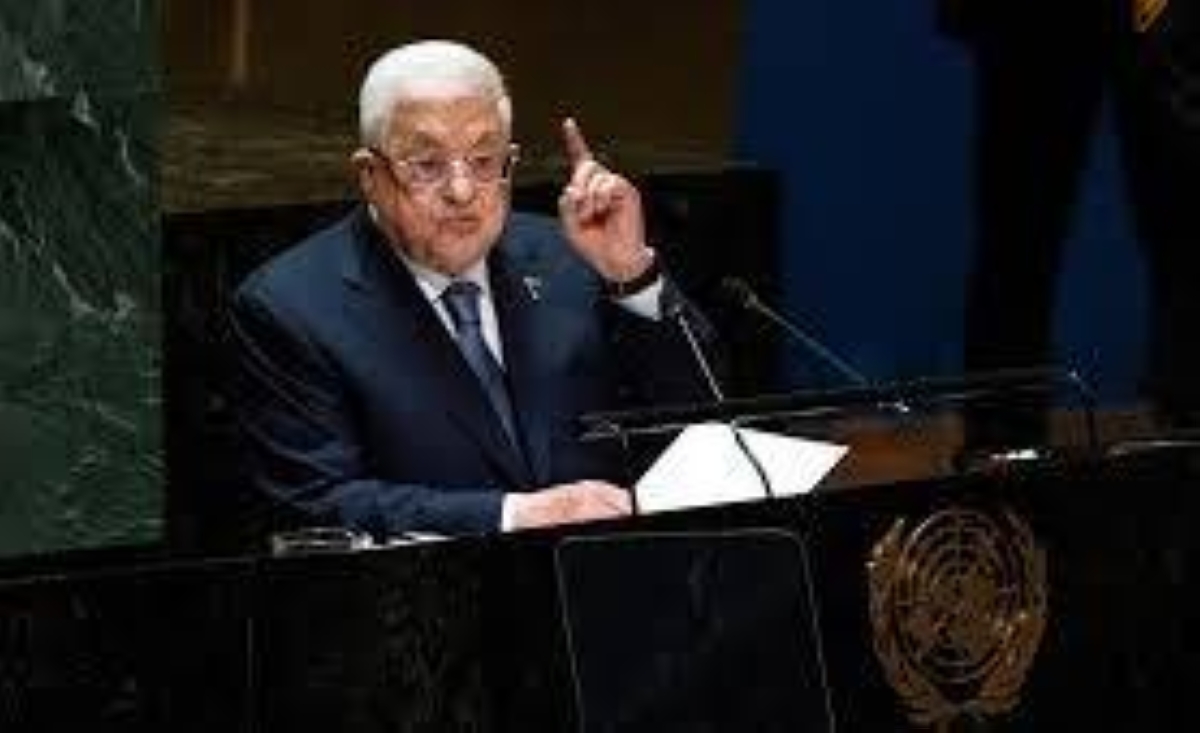
محمود عباس.


تابع قناة عكاظ على الواتساب
«عكاظ» (جدة) okaz_online@
The United Nations General Assembly voted today (Friday) in favor of allowing Palestinian President Mahmoud Abbas to deliver a speech via video technology at the annual meeting of world leaders (Thursday) and the Two-State Solution Conference (Monday), just days after Washington announced it would not grant him and his accompanying delegation a visa to enter New York. The decision received 145 votes in favor, with five against, while six countries abstained from voting.
The draft resolution stipulates that the Palestinian president is allowed to present a pre-recorded statement, which will be shown in the main hall during discussions of the United Nations General Assembly in its eightieth session. The draft also allows the State of Palestine to present statements via video conferencing or pre-recorded during the Two-State Solution Conference.
The draft resolution indicated the possibility for Palestine to participate in other United Nations meetings through the same mechanism, expressing regret over the U.S. authorities' decision to refuse to grant visas and revoke others for the Palestinian delegation, led by President Mahmoud Abbas, which prevented them from participating in person in this session.
This decision, adopted by the General Assembly, is valid for only one year during the eightieth session of the General Assembly, and it should not set a precedent to be followed in the future.
It is worth noting that the United Nations General Assembly requires the physical presence of leaders when delivering their speeches; however, in 2020, it made an exception to this rule due to the COVID-19 pandemic.
The draft resolution stipulates that the Palestinian president is allowed to present a pre-recorded statement, which will be shown in the main hall during discussions of the United Nations General Assembly in its eightieth session. The draft also allows the State of Palestine to present statements via video conferencing or pre-recorded during the Two-State Solution Conference.
The draft resolution indicated the possibility for Palestine to participate in other United Nations meetings through the same mechanism, expressing regret over the U.S. authorities' decision to refuse to grant visas and revoke others for the Palestinian delegation, led by President Mahmoud Abbas, which prevented them from participating in person in this session.
This decision, adopted by the General Assembly, is valid for only one year during the eightieth session of the General Assembly, and it should not set a precedent to be followed in the future.
It is worth noting that the United Nations General Assembly requires the physical presence of leaders when delivering their speeches; however, in 2020, it made an exception to this rule due to the COVID-19 pandemic.


