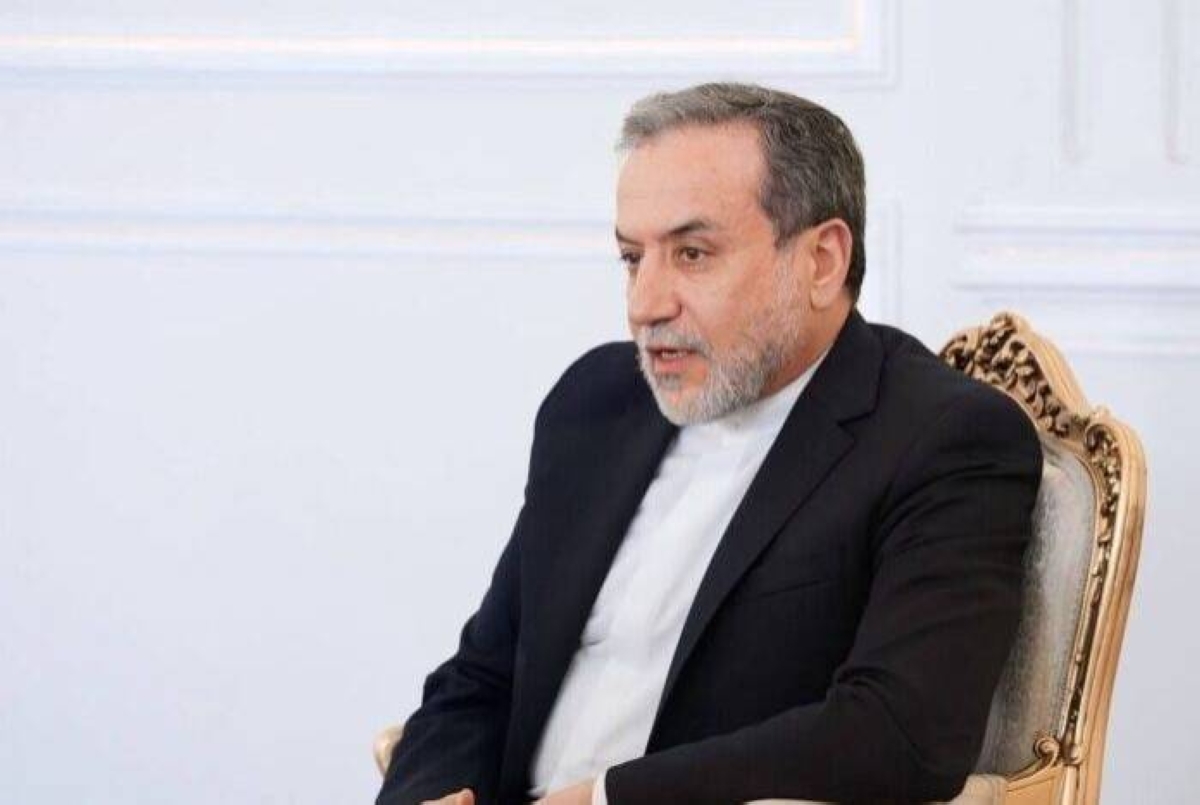
فيما تسعى إيران إلى تجنب أعادة فرض عقوبات عليها قبل انتهاء المهلة الأوروبية، يجري وزراء خارجية فرنسا وألمانيا وبريطانيا، اليوم (الأربعاء)، مباحثات هاتفية مع نظيرهم الإيراني عباس عراقجي للبحث في ملف طهران النووي.
وكشف المتحدث باسم وزارة الخارجية الإيرانية إسماعيل بقائي، أن وزير الخارجية عباس عراقجي سيجري اتصالاً هاتفيّاً مع نظرائه من فرنسا وبريطانيا وألمانيا اليوم.
الموقف الإيراني
وتسعى إيران إلى تجنب إعادة فرض العقوبات الدولية عليها بسبب برنامجها النووي، رغم أن مسؤوليها يؤكدون مراراً أنهم لن يغيروا موقفهم في النزاع النووي.
وتتيح آلية الزناد إعادة فرض العقوبات السابقة للأمم المتحدة، مثل حظر الأسلحة والإجراءات العقابية ضد الأفراد والمنظمات الإيرانية، وبررت الحكومات الأوروبية تحركها إلى ما تعتبره انتهاكات متكررة من جانب إيران لاتفاق فيينا النووي لعام 2015، الذي يستهدف منع طهران من تطوير سلاح نووي.
ولن تدخل العقوبات حيز التنفيذ قبل مرور 30 يوماً على الأقل، مما يترك المجال مفتوحاً لإمكانية إجراء مزيد من المفاوضات.
ضغط أوروبي
وكان وزير الخارجية الإيراني عباس عراقجي قد أكد، أمس في اتصال مع نظيره الفرنسي جان نويل بارو، أن تفعيل الدول الأوروبية آلية الزناد يفتقر لأي مبرر سياسي وقانوني، موضحاً أن بلاده مستعدة لأي حل عادل يضمن المصالح مع أوروبا.
بدوره، أكد رئيس منظمة الطاقة الذرية الإيرانية محمد إسلامي، أن الدول الأوروبية بدأت تتخذ مواقف أكثر تشدداً منذ إبرام بلاده اتفاقاً مع الوكالة الدولية للطاقة الذرية الأسبوع الماضي في القاهرة.
وكانت الترويكا الأوروبية قد أطلقت في 28 أغسطس الماضي، عملية مدتها 30 يوماً لإعادة فرض العقوبات على إيران بموجب «آلية سناب باك»، إذا لم يستأنف الجانب الإيراني تعاونه الكامل مع الوكالة الدولية، بما يشمل عمليات تفتيش المنشآت النووية كافة، وإعادة التفاوض مع الولايات المتحدة.
As Iran seeks to avoid the re-imposition of sanctions before the European deadline expires, the foreign ministers of France, Germany, and Britain are holding phone talks today (Wednesday) with their Iranian counterpart Abbas Araghchi to discuss Tehran's nuclear file.
The spokesperson for the Iranian Foreign Ministry, Ismail Baqaei, revealed that Foreign Minister Abbas Araghchi will have a phone call with his counterparts from France, Britain, and Germany today.
The Iranian Position
Iran is trying to avoid the re-imposition of international sanctions due to its nuclear program, even though its officials repeatedly assert that they will not change their stance in the nuclear dispute.
The snapback mechanism allows for the re-imposition of previous UN sanctions, such as arms embargoes and punitive measures against Iranian individuals and organizations. European governments have justified their actions based on what they consider repeated violations by Iran of the 2015 Vienna nuclear agreement, which aims to prevent Tehran from developing a nuclear weapon.
The sanctions will not take effect until at least 30 days have passed, leaving the door open for the possibility of further negotiations.
European Pressure
Iranian Foreign Minister Abbas Araghchi confirmed yesterday in a call with his French counterpart Jean-Noël Barrot that the activation of the snapback mechanism by European countries lacks any political or legal justification, clarifying that his country is ready for any fair solution that guarantees interests with Europe.
For his part, the head of the Iranian Atomic Energy Organization, Mohammad Eslami, stated that European countries have begun to take a tougher stance since his country reached an agreement with the International Atomic Energy Agency last week in Cairo.
The European troika launched a 30-day process on August 28 to re-impose sanctions on Iran under the "snapback mechanism" if the Iranian side does not resume its full cooperation with the agency, including inspections of all nuclear facilities and renegotiating with the United States.