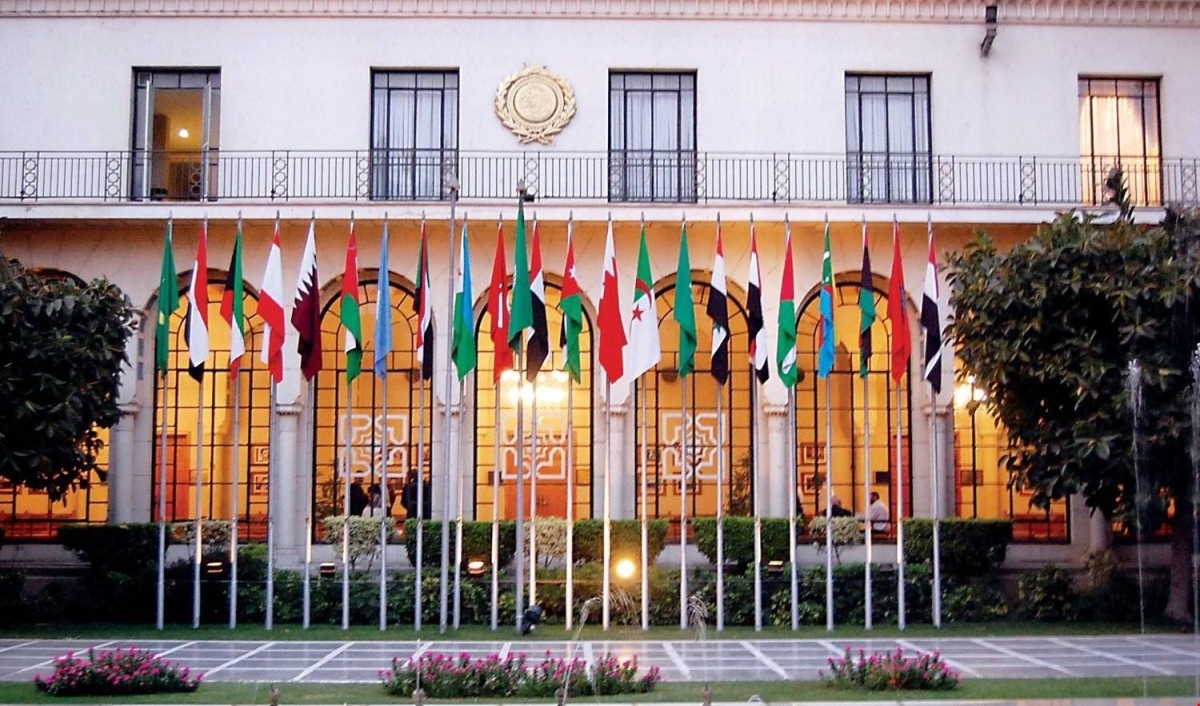
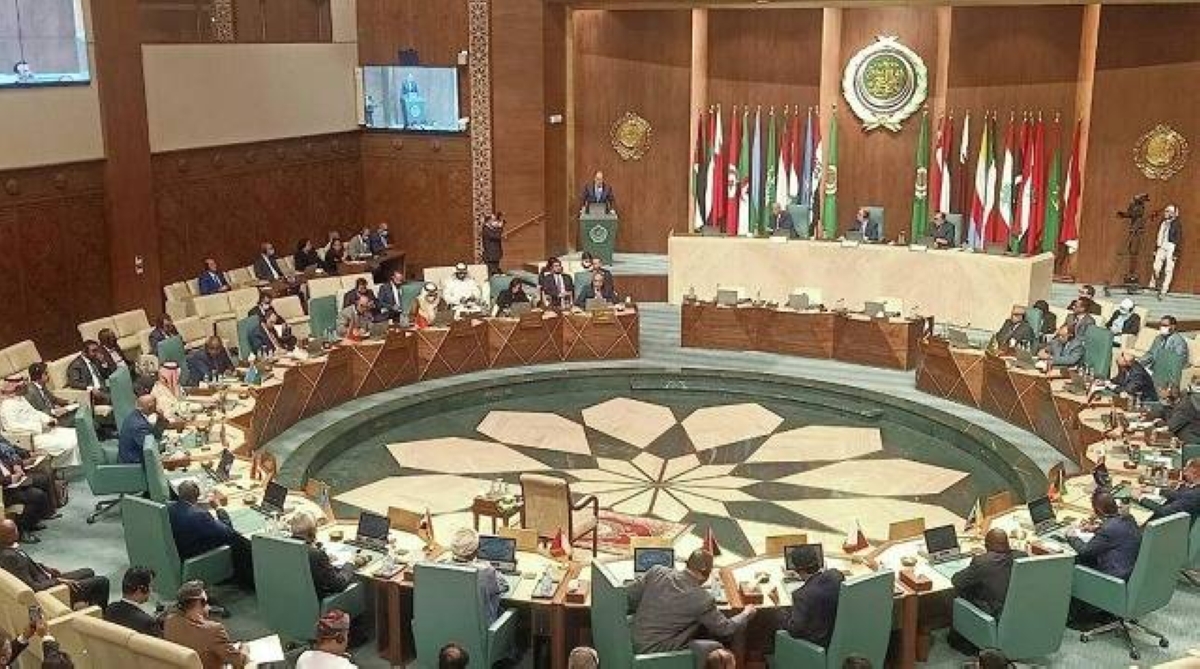
أعلن مندوب الصومال لدى جامعة الدول العربية السفير علي عبدي أواري، موافقة مجلس الجامعة على مستوى المندوبين الدائمين، خلال الدورة 164 التي عُقدت برئاسة دولة الإمارات في القاهرة أمس (الإثنين)، على إعفاء الصومال من 75% من ديونها المتراكمة نتيجة عدم سداد مساهماتها في موازنة الجامعة على مدى 38 عاماً.
ووصف السفير الصومالي هذا القرار بـ«الإنجاز التاريخي»، مؤكداً أنه يعكس التضامن العربي مع الصومال في ظل التحديات الاقتصادية والإنسانية التي تواجهها، معرباً عن شكره للدول الأعضاء والأمين العام أحمد أبو الغيط على دعمهم لهذا القرار، مشيراً إلى أن البعثة الدبلوماسية الصومالية نفذت توجيهات الرئيس حسن شيخ محمود لتخفيف العبء المالي عن البلاد.
ويأتي هذا الإعفاء كجزء من جهود الجامعة العربية لدعم الصومال، التي تعاني من أزمات اقتصادية وأمنية وكوارث مناخية متتالية. وأكد السفير أواري أن هذه الخطوة ستمكن الحكومة الصومالية من إعادة توجيه مواردها نحو تعزيز الأمن، وتحسين الخدمات الاجتماعية، ودعم خطة التنمية الوطنية.
وتزامن القرار مع استمرار الجهود الدولية لتخفيف ديون الصومال الخارجية، إذ أعلن نادي باريس في مارس 2024 إلغاء أكثر من ملياري دولار من ديونها، بعد موافقة صندوق النقد والبنك الدولي على تخفيف ديون بقيمة 4.5 مليار دولار في ديسمبر 2023.
وتُعد الصومال، العضو في جامعة الدول العربية منذ انضمامها في 1974، واحدة من أفقر دول العالم، حيث يعيش 70% من سكانها على أقل من 1.90 دولار يومياً، وفقاً للبنك الدولي، وتواجه البلاد تحديات معقدة تشمل الحرب الأهلية المستمرة منذ عقود، وتمرد حركة الشباب المرتبطة بتنظيم القاعدة، والكوارث المناخية مثل الجفاف والفيضانات التي أثرت على 170 ألف شخص في 2024.
تاريخياً، دعمت جامعة الدول العربية الصومال في مجالات الصحة، والتعليم، والبنية التحتية، من خلال تقديم سيارات إسعاف، وتأهيل مدارس، وتطوير مستشفى في مقديشو، كما تبنت الجامعة مبادرات لتخفيف ديون الصومال، إذ أوصى اجتماع وزرائها في 2018 بتفعيل دور البرلمان العربي ومجلس الشعب الصومالي لدعم خطة التنمية الوطنية وسد عجز الموازنة.
وفي 2021، ناشدت الجامعة المجتمع الدولي دعم الصومال لمواجهة الجفاف، كما استضافت اجتماعات مشتركة مع الأمم المتحدة لتنسيق المساعدات، إذ يعتمد اقتصاد الصومال بشكل كبير على الإيرادات الضريبية المحدودة من ميناء ومطار مقديشو، إضافة إلى المساعدات الخارجية التي شكلت 50% من موازنة 2020 البالغة 476 مليون دولار.
ويتماشى إعفاء الصومال من 75% من ديونها المتراكمة لدى الجامعة العربية مع الجهود الدولية الأوسع، إذ خفضت ديونها الخارجية من 64% من الناتج المحلي الإجمالي في 2018 إلى أقل من 6% بنهاية 2023، بفضل مبادرة البلدان الفقيرة المثقلة بالديون، ومع موازنة 2025 البالغة 1.356 مليار دولار، تسعى الحكومة الصومالية إلى تعزيز الإيرادات الداخلية لدعم الأمن والخدمات، رغم تحديات الاستقرار السياسي والأمني.
The Somali representative to the Arab League, Ambassador Ali Abdi Awari, announced the approval of the League Council at the level of permanent representatives during the 164th session held under the presidency of the United Arab Emirates in Cairo yesterday (Monday) to exempt Somalia from 75% of its accumulated debts due to its failure to pay contributions to the League's budget over the past 38 years.
The Somali ambassador described this decision as a "historic achievement," affirming that it reflects Arab solidarity with Somalia in light of the economic and humanitarian challenges it faces. He expressed his gratitude to the member states and Secretary-General Ahmed Aboul Gheit for their support of this decision, noting that the Somali diplomatic mission implemented the directives of President Hassan Sheikh Mohamud to alleviate the financial burden on the country.
This exemption comes as part of the Arab League's efforts to support Somalia, which is suffering from ongoing economic and security crises as well as successive climate disasters. Ambassador Awari confirmed that this step will enable the Somali government to redirect its resources towards enhancing security, improving social services, and supporting the national development plan.
The decision coincides with ongoing international efforts to alleviate Somalia's external debts, as the Paris Club announced in March 2024 the cancellation of more than two billion dollars of its debts, following the approval of the International Monetary Fund and the World Bank to relieve debts amounting to 4.5 billion dollars in December 2023.
Somalia, a member of the Arab League since its accession in 1974, is one of the poorest countries in the world, with 70% of its population living on less than 1.90 dollars a day, according to the World Bank. The country faces complex challenges including a decades-long civil war, the insurgency of the Al-Shabaab group linked to Al-Qaeda, and climate disasters such as droughts and floods that affected 170,000 people in 2024.
Historically, the Arab League has supported Somalia in the fields of health, education, and infrastructure by providing ambulances, rehabilitating schools, and developing a hospital in Mogadishu. The League has also adopted initiatives to alleviate Somalia's debts, as its ministers' meeting in 2018 recommended activating the role of the Arab Parliament and the Somali People's Assembly to support the national development plan and bridge the budget deficit.
In 2021, the League appealed to the international community to support Somalia in facing drought, and it hosted joint meetings with the United Nations to coordinate aid, as Somalia's economy heavily relies on limited tax revenues from the Mogadishu port and airport, in addition to foreign aid, which constituted 50% of the 2020 budget of 476 million dollars.
The exemption of Somalia from 75% of its accumulated debts to the Arab League aligns with broader international efforts, as its external debts were reduced from 64% of GDP in 2018 to less than 6% by the end of 2023, thanks to the Heavily Indebted Poor Countries Initiative. With the 2025 budget amounting to 1.356 billion dollars, the Somali government aims to enhance internal revenues to support security and services, despite the challenges of political and security stability.