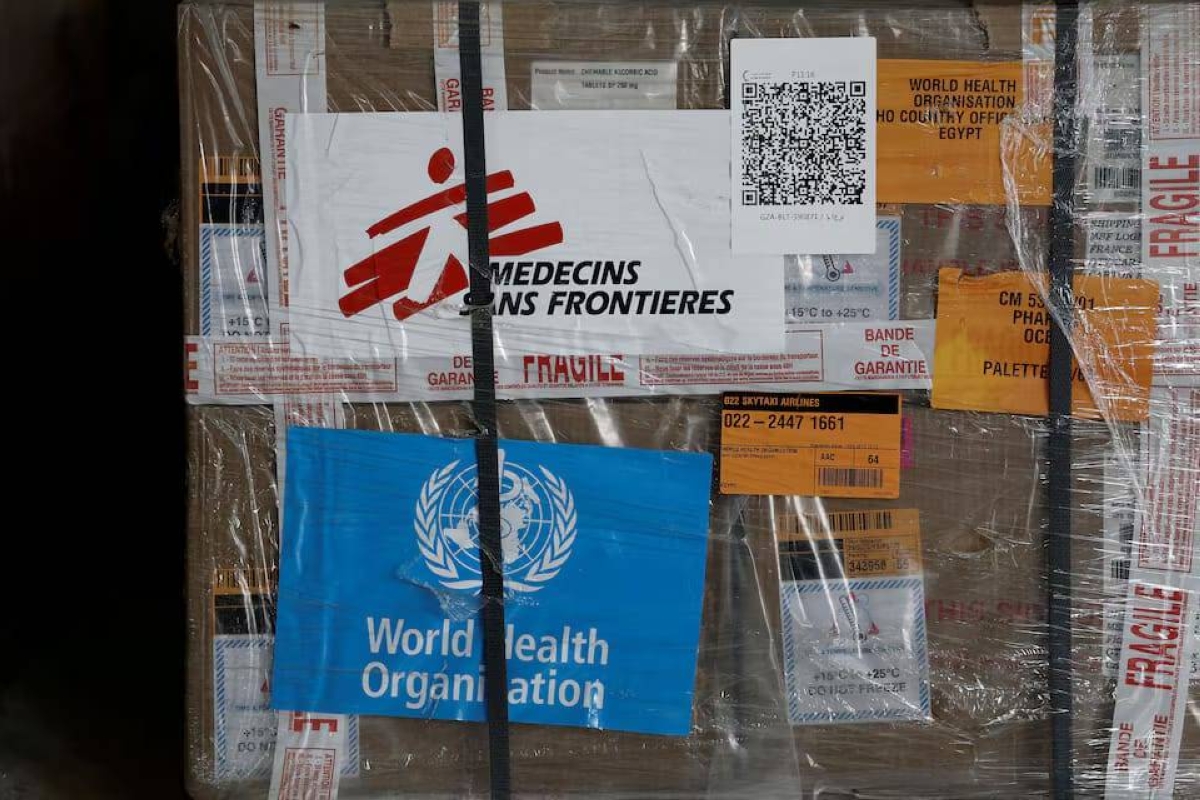
حذرت منظمة الصحة العالمية، اليوم (الجمعة)، من نفاد الإمدادات الطبية الحيوية في قطاع غزة، مما يعيق علاج ارتفاع غير مسبوق في حالات متلازمة غيلان-باريه النادرة، التي تسبب الشلل.
وأفادت المنظمة بتسجيل 94 حالة من هذه المتلازمة منذ يونيو 2025، أسفرت عن وفاة 10 أشخاص، من بينهم 4 أطفال دون سن 15 و6 بالغين بمتوسط عمر 25 عاماً، مع عدم تلقي اثنين من الضحايا أي علاج بسبب النقص الحاد في الأدوية.
متلازمة غيلان-باريه، وهي حالة مناعية نادرة تهاجم الأعصاب الطرفية، كانت نادرة الحدوث في غزة قبل بدء العدوان الإسرائيلي على غزة منذ ما يقرب من عامين، وفي الحالات الشديدة، يمكن أن تؤدي إلى شلل شبه كامل وصعوبات في التنفس.
وأوضحت المنظمة أن العلاجات الأساسية، مثل الجلوبيولين المناعي الوريدي (IVIG) وفلاتر البلازما، غير متوفرة في مستشفيات غزة، مما يترك المرضى دون خيارات علاجية.
وأرجعت منظمة الصحة العالمية تفشي المرض إلى الالتهابات المعوية والتنفسية الناتجة عن تدهور أوضاع المياه والصرف الصحي والنظافة، إلى جانب الاكتظاظ السكاني وسوء التغذية وتضاؤل المناعة.
وقال المتحدث باسم المنظمة، كريستيان ليندماير، في جنيف: «في ظل الوضع الصحي والبيئي الحالي، فإن الظروف مهيأة لانتشار العدوى بسهولة».
وبحسب وكالة «رويترز» أشار تقرير صادر عن مراقب الجوع العالمي (تصنيف المرحلة المتكاملة للأمن الغذائي) إلى أن حوالى 514 ألف شخص، أي ما يقرب من ربع سكان غزة، يواجهون ظروف المجاعة في مدينة غزة والمناطق المحيطة بها.
ورغم تحسن الرصد، فإن قدرات التشخيص لا تزال محدودة، حيث يتم إرسال عينات الدم من الحالات المشتبه بها إلى الخارج للاختبار.
وأكدت وكالات الإغاثة أن كمية المساعدات، بما في ذلك الأدوية، التي تصل إلى غزة منذ رفع الحصار الإسرائيلي جزئياً في مايو 2025، لا تكفي لتلبية الاحتياجات.
The World Health Organization warned today (Friday) of the depletion of vital medical supplies in the Gaza Strip, hindering the treatment of an unprecedented rise in cases of the rare Guillain-Barré syndrome, which causes paralysis.
The organization reported 94 cases of this syndrome since June 2025, resulting in the deaths of 10 people, including 4 children under the age of 15 and 6 adults with an average age of 25, with two of the victims not receiving any treatment due to the severe shortage of medications.
Guillain-Barré syndrome, a rare autoimmune condition that attacks the peripheral nerves, was rare in Gaza before the onset of the Israeli aggression against Gaza nearly two years ago, and in severe cases, it can lead to near-total paralysis and breathing difficulties.
The organization explained that essential treatments, such as intravenous immunoglobulin (IVIG) and plasma filters, are unavailable in Gaza's hospitals, leaving patients without treatment options.
The World Health Organization attributed the outbreak of the disease to gastrointestinal and respiratory infections resulting from the deterioration of water, sanitation, and hygiene conditions, along with overcrowding, malnutrition, and diminished immunity.
Christian Lindmeier, a spokesperson for the organization, said in Geneva: "Given the current health and environmental situation, the conditions are ripe for the spread of infections easily."
According to a report from the Global Hunger Monitor (Integrated Food Security Phase Classification), about 514,000 people, nearly a quarter of Gaza's population, are facing famine conditions in Gaza City and the surrounding areas.
Despite improved monitoring, diagnostic capabilities remain limited, as blood samples from suspected cases are sent abroad for testing.
Relief agencies confirmed that the amount of aid, including medications, reaching Gaza since the partial lifting of the Israeli blockade in May 2025, is insufficient to meet the needs.