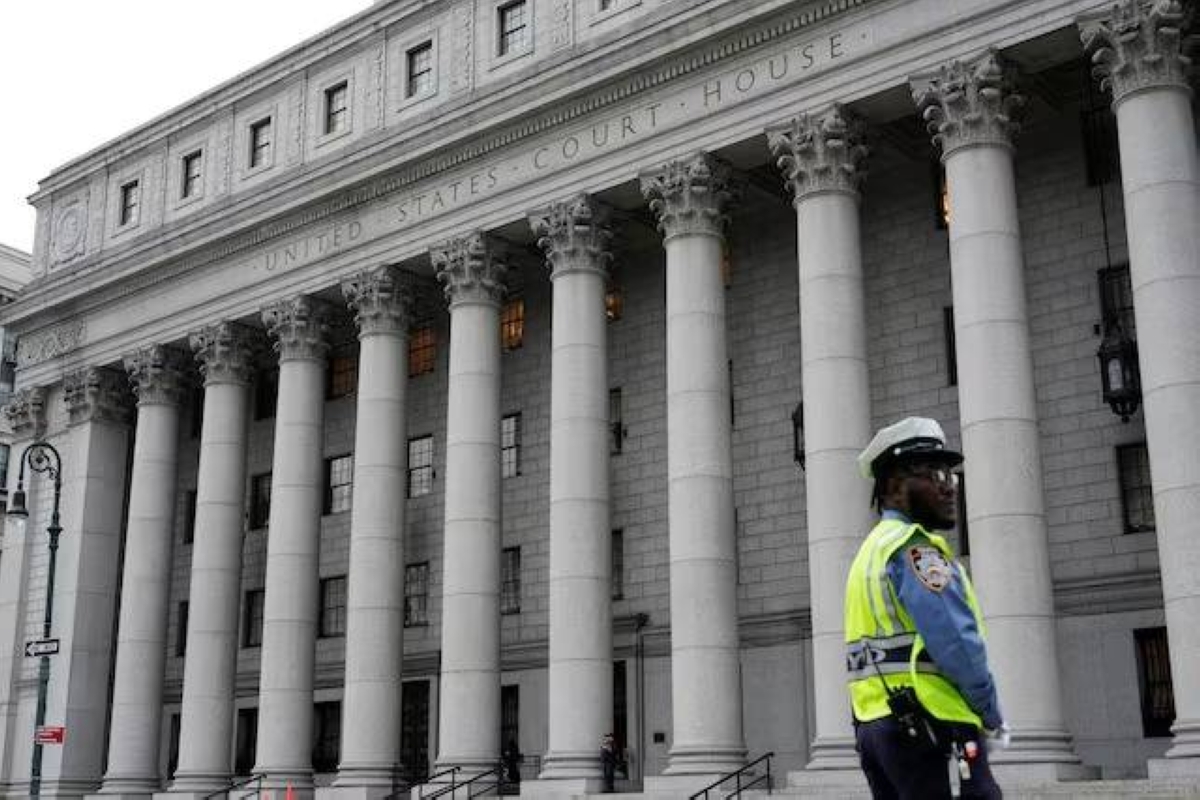
رفضت محكمة الاستئناف الفيدرالية الثانية في مانهاتن، طلب ضحايا هجمات 11 سبتمبر 2001 وتفجيرات السفارتين الأمريكيتين في شرق أفريقيا عام 1998، بمصادرة 3.5 مليار دولار من أصول البنك المركزي الأفغاني (Da Afghanistan Bank - DAB) لمحاسبة «طالبان» على دورها في الهجمات.
وأوضحت المحكمة أن البنك المركزي الأفغاني محمي بموجب قانون الحصانات السيادية الأجنبية (FSIA)، لأنه يُعتبر وكالة أو أداة تابعة لدولة أفغانستان، ما يمنع مصادرة أصوله المجمدة لدى بنك الاحتياطي الفيدرالي في نيويورك.
وأشارت المحكمة إلى أن الضحايا لم يتمكنوا من إثبات أن البنك المركزي كان تابعاً لطالبان بموجب قانون التأمين ضد مخاطر الإرهاب (TRIA)، على الرغم من أن هذا القانون يلغي الحصانة التي يتمتع بها البنك بموجب FSIA.
ويُعد القرار، الذي صدر بنتيجة 2-1، خسارة لمجموعات من الضحايا الذين رفعوا دعاوى ضد عدة جهات، بما في ذلك تنظيم القاعدة، وسعوا للحصول على نصف مبلغ 7 مليارات دولار من أصول البنك التي جمدها الرئيس الأمريكي جو بايدن في أغسطس 2021.
وحاول بعض الضحايا الاستيلاء على الأصول، بينما حصل آخرون على أحكام افتراضية بعد تخلف المدعى عليهم عن الحضور إلى المحكمة.
وأكد القاضي خوسيه كابرانيس أنه في 15 أغسطس 2021، اليوم الذي سقطت فيه كابول وتم تجميد الأصول، لم يكن هناك دليل على أن البنك كان يدعم «طالبان» أو يخضع لسيطرتها، مشيراً إلى أن «طالبان» عينت قيادة جديدة للبنك لاحقاً فقط.
في المقابل، عارض القاضي ريتشارد سوليفان القرار، معتبراً أنه يناقض هدف قانون التأمين ضد مخاطر الإرهاب الذي يسعى إلى جعل أي أصول متاحة لضحايا الإرهاب.
وأضاف أن أفغانستان لم تَعُد تُعتبر دولة أجنبية بموجب FSIA، ما يعني أن أصول البنك ليست مشمولة بالحصانة. وكانت محكمتان أدنى قد حكمتا ضد المدعين في 2023.
وتصنف الحكومة الأمريكية «طالبان» «منظمة إرهابية عالمية مصنفة بشكل خاص»، وقد خصص بايدن النصف الآخر من الأصول المجمدة (3.5 مليار دولار) لصالح الشعب الأفغاني.
وتسببت هجمات 11 سبتمبر 2001 في مقتل نحو 3000 شخص عندما اصطدمت طائرات بمركز التجارة العالمي في نيويورك، والبنتاغون في فيرجينيا، وحقل في بنسلفانيا، كما أسفرت تفجيرات السفارتين في نيروبي ودار السلام عام 1998 عن مقتل 224 شخصاً.
The Second Circuit Court of Appeals in Manhattan rejected the request of the victims of the September 11, 2001 attacks and the bombings of the American embassies in East Africa in 1998 to seize $3.5 billion in assets from the Afghan central bank (Da Afghanistan Bank - DAB) to hold the "Taliban" accountable for its role in the attacks.
The court clarified that the Afghan central bank is protected under the Foreign Sovereign Immunities Act (FSIA), as it is considered an agency or instrumentality of the state of Afghanistan, which prevents the seizure of its assets frozen at the Federal Reserve Bank in New York.
The court noted that the victims were unable to prove that the central bank was affiliated with the Taliban under the Terrorism Risk Insurance Act (TRIA), even though this law waives the immunity enjoyed by the bank under FSIA.
The decision, which was issued with a 2-1 vote, is a loss for groups of victims who filed lawsuits against several entities, including al-Qaeda, and sought to obtain half of the $7 billion in assets of the bank that were frozen by President Joe Biden in August 2021.
Some victims attempted to seize the assets, while others obtained default judgments after the defendants failed to appear in court.
Judge José Cabranes confirmed that on August 15, 2021, the day Kabul fell and the assets were frozen, there was no evidence that the bank was supporting the "Taliban" or was under its control, noting that the "Taliban" appointed new leadership for the bank only later.
In contrast, Judge Richard Sullivan opposed the decision, arguing that it contradicts the goal of the Terrorism Risk Insurance Act, which seeks to make any assets available to victims of terrorism.
He added that Afghanistan is no longer considered a foreign state under FSIA, meaning that the bank's assets are not covered by immunity. Two lower courts had ruled against the plaintiffs in 2023.
The U.S. government classifies the "Taliban" as a "specially designated global terrorist organization," and Biden allocated the other half of the frozen assets ($3.5 billion) for the benefit of the Afghan people.
The September 11, 2001 attacks resulted in the deaths of nearly 3,000 people when planes crashed into the World Trade Center in New York, the Pentagon in Virginia, and a field in Pennsylvania. The embassy bombings in Nairobi and Dar es Salaam in 1998 resulted in the deaths of 224 people.