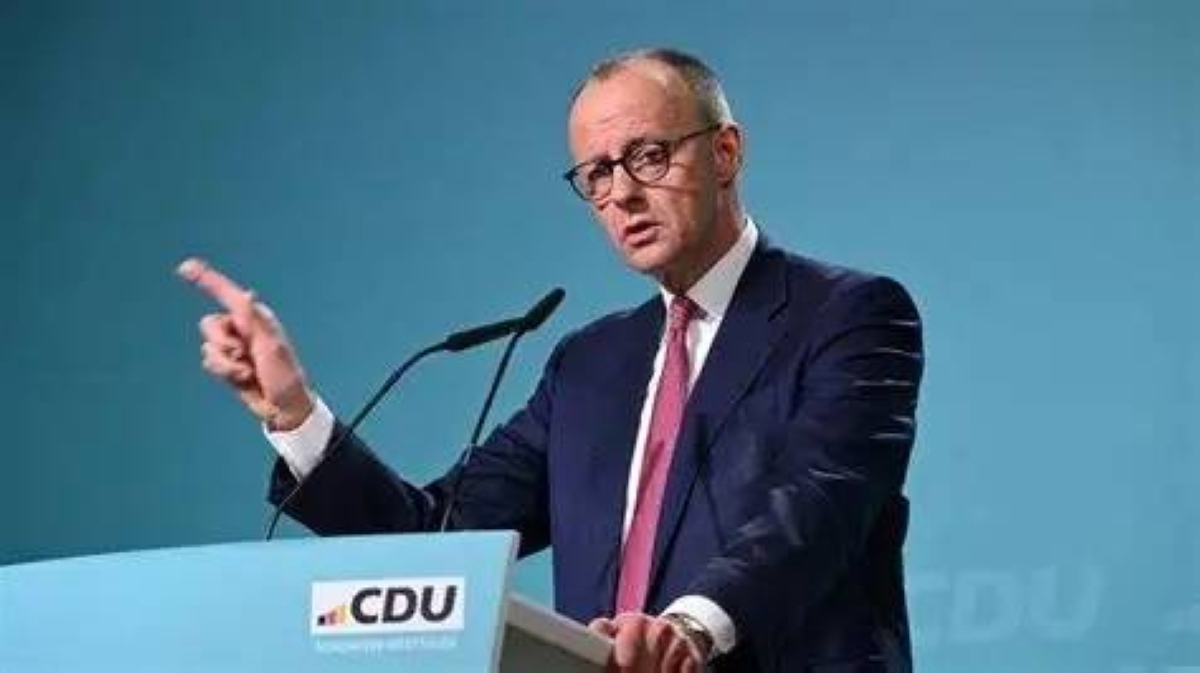
في خطوة تاريخية، دعا المستشار الألماني فريدريش ميرتس إلى انتخاب امرأة لمنصب رئيسة جمهورية ألمانيا الاتحادية في الانتخابات المقررة عام 2027، لأول مرة في تاريخ البلاد.
وجاءت دعوة المستشار الألماني خلال مشاركته في فعالية «الأبواب المفتوحة» لمقرات الحكومة في برلين، وأعرب ميرتس عن رؤيته لتعزيز تمثيل النساء في المناصب القيادية العليا، مشيراً إلى أن هذه الخطوة ستكون «أمراً جيداً» لألمانيا.
ويعرف فريدريش ميرتس (69 عاماً) -وهو زعيم حزب الاتحاد الديمقراطي المسيحي منذ يناير 2022، ويتولى منصب المستشار الألماني منذ 6 مايو 2025، بعد فوز تحالفه في الانتخابات الفيدرالية التي أجريت في فبراير 2025- بتوجهاته المحافظة ودعمه لليبرالية الاقتصادية، إضافة إلى التزامه بتعزيز العلاقات الأوروبية والأطلسية.
ويُعتبر منصب رئيس جمهورية ألمانيا الاتحادية منصباً تمثيلياً في المقام الأول، إذ يُعتبر الرئيس رمزاً لوحدة الأمة وله دور إشرافي على العمليات السياسية، بينما يتولى المستشار القيادة التنفيذية للحكومة، ويشغل الرئيس الحالي فرانك فالتر شتاينماير منصب رئيس الجمهورية الألمانية منذ 2017، وستنتهي ولايته الثانية (الأخيرة) في مارس 2027، ما يفتح الباب أمام انتخاب رئيس جديد، وحتى الآن، لم تشغل أي امرأة هذا المنصب منذ تأسيس جمهورية ألمانيا الاتحادية عام 1949.
وجاء تصريح ميرتس رداً على سؤال من مواطن خلال الفعالية، إذ أكد دعمه لتعزيز دور النساء في السياسة الألمانية، وأشار إلى أن قراره بترشيح السياسية يوليا كلوكنر لمنصب رئيسة البرلمان كان خطوة شخصية لتعزيز التمثيل النسائي في المناصب العليا، مضيفاً: «أبذل كل ما بوسعي من أجل تحسين تمثيل النساء في المناصب القيادية العليا في بلدنا».
وتأتي دعوة ميرتس في سياق سياسي معقد، إذ يواجه تحالفه الحاكم، الذي يضم حزب الاتحاد الديمقراطي المسيحي والاتحاد الاجتماعي المسيحي والحزب الديمقراطي الاجتماعي، تحديات اقتصادية واجتماعية كبيرة، بما في ذلك إصلاح الاقتصاد، وخفض أسعار الطاقة، ومعالجة قضايا الهجرة، كما أن دعوته لانتخاب امرأة رئيسة تعكس رغبته في تعزيز صورة الحزب كقوة تقدمية في بعض الجوانب، على الرغم من توجهاته المحافظة التقليدية.
تاريخياً، كانت ألمانيا قد شهدت تقدماً في تمثيل النساء في السياسة، إذ شغلت أنغيلا ميركل منصب المستشارة من 2005 إلى 2021، لتصبح أول امرأة تتولى هذا المنصب، ومع ذلك، لا يزال التمثيل النسائي في المناصب العليا محدوداً نسبياً، إذ تشكل النساء حوالى 31% من أعضاء البرلمان الألماني (البوندستاغ) في 2025.
In a historic step, German Chancellor Friedrich Merz called for the election of a woman to the position of President of the Federal Republic of Germany in the elections scheduled for 2027, marking the first time in the country's history.
The Chancellor's call came during his participation in the "Open Doors" event at government headquarters in Berlin, where Merz expressed his vision to enhance the representation of women in senior leadership positions, noting that this step would be "a good thing" for Germany.
Friedrich Merz (69 years old) - who has been the leader of the Christian Democratic Union since January 2022 and has held the position of German Chancellor since May 6, 2025, after his coalition won the federal elections held in February 2025 - is known for his conservative tendencies and support for economic liberalism, in addition to his commitment to strengthening European and transatlantic relations.
The position of President of the Federal Republic of Germany is primarily a representative role, as the president is seen as a symbol of national unity and has a supervisory role over political processes, while the Chancellor leads the executive branch of the government. The current president, Frank-Walter Steinmeier, has held the position since 2017, and his second (and final) term will end in March 2027, opening the door for the election of a new president. So far, no woman has held this position since the establishment of the Federal Republic of Germany in 1949.
Merz's statement came in response to a question from a citizen during the event, where he affirmed his support for enhancing the role of women in German politics, and noted that his decision to nominate politician Julia Klöckner for the position of President of the Parliament was a personal step to promote female representation in senior positions, adding: "I am doing everything I can to improve the representation of women in senior leadership roles in our country."
Merz's call comes in a complex political context, as his ruling coalition, which includes the Christian Democratic Union, the Christian Social Union, and the Social Democratic Party, faces significant economic and social challenges, including economic reform, reducing energy prices, and addressing immigration issues. His call for the election of a woman president reflects his desire to enhance the party's image as a progressive force in some aspects, despite its traditional conservative tendencies.
Historically, Germany has seen progress in the representation of women in politics, as Angela Merkel served as Chancellor from 2005 to 2021, becoming the first woman to hold this position. However, female representation in senior positions remains relatively limited, with women making up about 31% of the members of the German Parliament (Bundestag) in 2025.