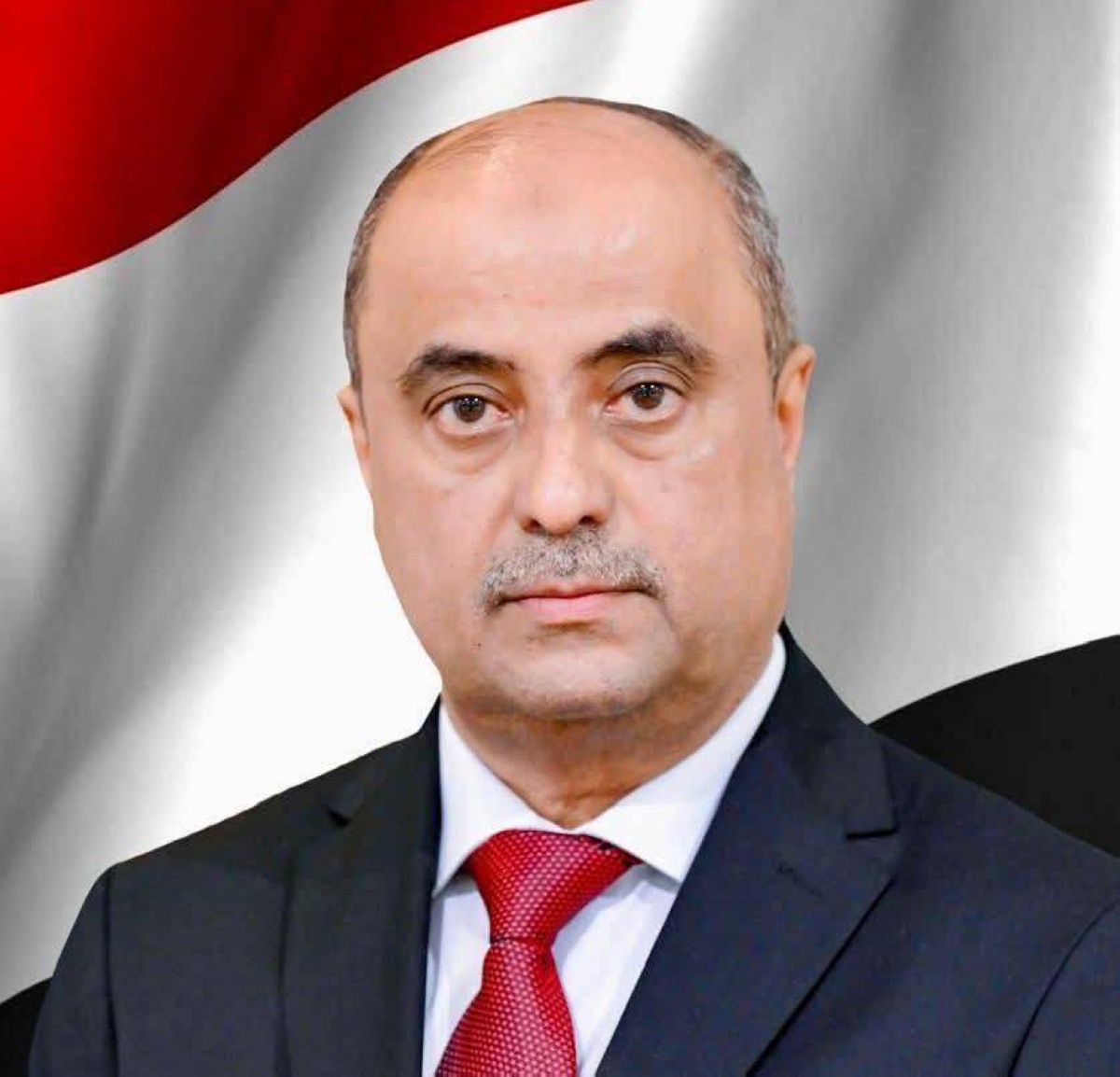
اطّلع رئيس مجلس الوزراء اليمني سالم صالح بن بريك على سير التدابير المتخذة لمواجهة تداعيات المنخفض الجوي والأمطار الغزيرة التي تشهدها العديد من المحافظات اليمنية. وفي اتصالات مكثفة مع المحافظين في حضرموت والمهرة وتعز استمع رئيس الوزراء، إلى تقارير أولية حول الأضرار التي خلفتها السيول والأمطار الغزيرة في الممتلكات العامة والخاصة، والحيازات الزراعية والطرقات والبنى التحتية، والخدمات الأساسية، إضافة إلى الجهود المنسقة مع الجهات المعنية والمنظمات الإقليمية والدولية للحد من تداعيات المنخفض الجوي وتقديم العون وعمليات الإنقاذ والمساعدة للمتضررين والعائلات المنكوبة.
وشدد رئيس الوزراء على ضرورة ان تقوم السلطات المحلية بواجباتها لمواجهة التدعيات الناجمة عن الأمطار الغزيرة والسيول الجارفة بما يضمن الحفاظ على الممتلكات العامة والخاصة بالتنسيق مع الوزارات والجهات الحكومية المعنية ورفع حالة الجاهزية ومضاعفة الإجراءات الاحترازية للحد من آثار المنخفض الجوي، مؤكداً على المسؤولية التي تقع على عاتق السلطات المحلية في المحافظات المتأثرة بالمنخفض الجوي وإطلاق الإرشادات والإنذار المبكر، ونشر فرق الإخلاء والإنقاذ وفتح الطرق العامة، والعمل على استدامة الخدمات الأساسية، وضرورة الإسناد المجتمعي لهذه الجهود.
The Yemeni Prime Minister, Salem Saleh bin Breik, reviewed the measures taken to address the repercussions of the low-pressure system and the heavy rains affecting many Yemeni governorates. In intensive communications with the governors of Hadramout, Al-Mahra, and Taiz, the Prime Minister listened to preliminary reports on the damages caused by the floods and heavy rains to public and private properties, agricultural holdings, roads, infrastructure, and essential services, in addition to the coordinated efforts with relevant authorities and regional and international organizations to mitigate the impacts of the low-pressure system and provide aid, rescue operations, and assistance to the affected individuals and families.
The Prime Minister emphasized the necessity for local authorities to fulfill their duties in facing the consequences of the heavy rains and flash floods, ensuring the protection of public and private properties in coordination with the relevant ministries and government entities, raising the state of readiness, and doubling precautionary measures to limit the effects of the low-pressure system. He affirmed the responsibility that local authorities in the governorates affected by the low-pressure system bear, including issuing guidance and early warnings, deploying evacuation and rescue teams, opening public roads, ensuring the sustainability of essential services, and the need for community support for these efforts.