


تشهد الساحة الدبلوماسية تحركات غربية متسارعة تجاه الاعتراف بدولة فلسطين، في خطوات يمكن أن تكون لها تداعيات واسعة على العلاقات الدولية لإسرائيل، وتزيد من الضغوط على حكومة رئيس وزراء الاحتلال بنيامين نتنياهو لوقف الحرب في قطاع غزة.
وأعلن رئيس الوزراء الأسترالي أنتوني ألبانيزي، اليوم (الإثنين)، أن أستراليا ستعترف بدولة فلسطينية في شهر سبتمبر القادم خلال اجتماعات الجمعية العامة للأمم المتحدة.
وقال إن الاعتراف سيكون مشروطا بالتزامات السلطة الفلسطينية، لافتا إلى أن هذه فرصة لتحقيق تقرير المصير للشعب الفلسطيني، وأنه «لا مستقبل لحركة حماس في الدولة الفلسطينية».
وشدد ألبانيزي، الذي أعلن ذلك عقب اجتماع لمجلس الوزراء، على أن الوضع في غزة تجاوز أسوأ مخاوف العالم، وأن إسرائيل تواصل تحدي القانون الدولي.
وأكد رئيس الوزراء في مؤتمر صحفي أن «حل الدولتين هو أفضل أمل للبشرية لكسر دائرة العنف في الشرق الأوسط وإنهاء الصراع والمعاناة والجوع في غزة».
وأوضح أنه أبلغ رئيس الوزراء الإسرائيلي بنيامين نتنياهو بأنه «بحاجة إلى حل سياسي وليس عسكريا».
من جانبه، قال رئيس الوزراء النيوزيلندي كريستوفر لوكسون إن حكومته تدرس الاعتراف بدولة فلسطينية. وأضاف أن الحكومة ستتخذ قرارا رسميا في سبتمبر، وستطرح نهجها خلال أسبوع قادة الأمم المتحدة.
وكانت 15 دولة غربية، بينها فرنسا وبريطانيا وإسبانيا وهولندا، أعلنت الأربعاء الماضي، أنها تدرس بشكل إيجابي الاعتراف الرسمي بالدولة الفلسطينية قبل انعقاد الجمعية العامة للأمم المتحدة في نيويورك في سبتمبر القادم.
وأكدت هذه الدول، في بيان مشترك لها، أن الاعتراف بدولة فلسطين يُعد «خطوة أساسية نحو تحقيق حل الدولتين»، داعية بقية دول العالم إلى الانضمام إلى هذا التوجه.
التأييد الدولي يتزايد.. أستراليا ونيوزيلندا تتجهان إلى الاعتراف بالدولة الفلسطينية
11 أغسطس 2025 - 13:48
|
آخر تحديث 11 أغسطس 2025 - 13:48
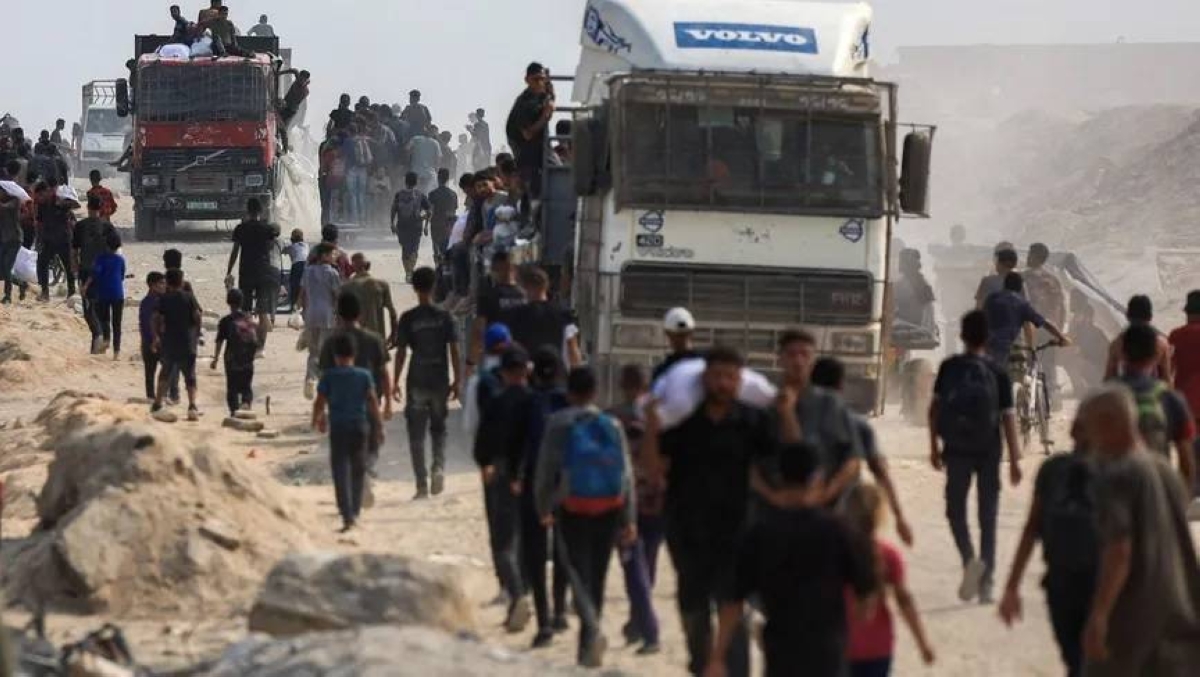
فلسطينيون يحاولون الحصول على المساعدات في بيت لاهيا .


تابع قناة عكاظ على الواتساب
«عكاظ» (جدة) okaz_online@
The diplomatic arena is witnessing rapid Western movements towards recognizing the State of Palestine, in steps that could have wide-ranging implications for Israel's international relations and increase pressure on the government of Prime Minister Benjamin Netanyahu to stop the war in the Gaza Strip.
Australian Prime Minister Anthony Albanese announced today (Monday) that Australia will recognize a Palestinian state next September during the United Nations General Assembly meetings.
He stated that the recognition will be conditional on the commitments of the Palestinian Authority, noting that this is an opportunity to achieve self-determination for the Palestinian people, and that "there is no future for Hamas in the Palestinian state."
Albanese, who made this announcement following a Cabinet meeting, emphasized that the situation in Gaza has surpassed the world's worst fears, and that Israel continues to challenge international law.
The Prime Minister confirmed in a press conference that "a two-state solution is humanity's best hope to break the cycle of violence in the Middle East and end the conflict, suffering, and hunger in Gaza."
He clarified that he informed Israeli Prime Minister Benjamin Netanyahu that he "needs a political solution, not a military one."
For his part, New Zealand Prime Minister Christopher Luxon stated that his government is considering recognizing a Palestinian state. He added that the government will make an official decision in September and will present its approach during the week of United Nations leaders.
Fifteen Western countries, including France, Britain, Spain, and the Netherlands, announced last Wednesday that they are positively considering official recognition of the Palestinian state before the United Nations General Assembly convenes in New York next September.
These countries confirmed in a joint statement that recognizing the State of Palestine is "a fundamental step towards achieving a two-state solution," calling on the rest of the world to join this trend.
Australian Prime Minister Anthony Albanese announced today (Monday) that Australia will recognize a Palestinian state next September during the United Nations General Assembly meetings.
He stated that the recognition will be conditional on the commitments of the Palestinian Authority, noting that this is an opportunity to achieve self-determination for the Palestinian people, and that "there is no future for Hamas in the Palestinian state."
Albanese, who made this announcement following a Cabinet meeting, emphasized that the situation in Gaza has surpassed the world's worst fears, and that Israel continues to challenge international law.
The Prime Minister confirmed in a press conference that "a two-state solution is humanity's best hope to break the cycle of violence in the Middle East and end the conflict, suffering, and hunger in Gaza."
He clarified that he informed Israeli Prime Minister Benjamin Netanyahu that he "needs a political solution, not a military one."
For his part, New Zealand Prime Minister Christopher Luxon stated that his government is considering recognizing a Palestinian state. He added that the government will make an official decision in September and will present its approach during the week of United Nations leaders.
Fifteen Western countries, including France, Britain, Spain, and the Netherlands, announced last Wednesday that they are positively considering official recognition of the Palestinian state before the United Nations General Assembly convenes in New York next September.
These countries confirmed in a joint statement that recognizing the State of Palestine is "a fundamental step towards achieving a two-state solution," calling on the rest of the world to join this trend.


